
Lu e Cuccaro Monferrato
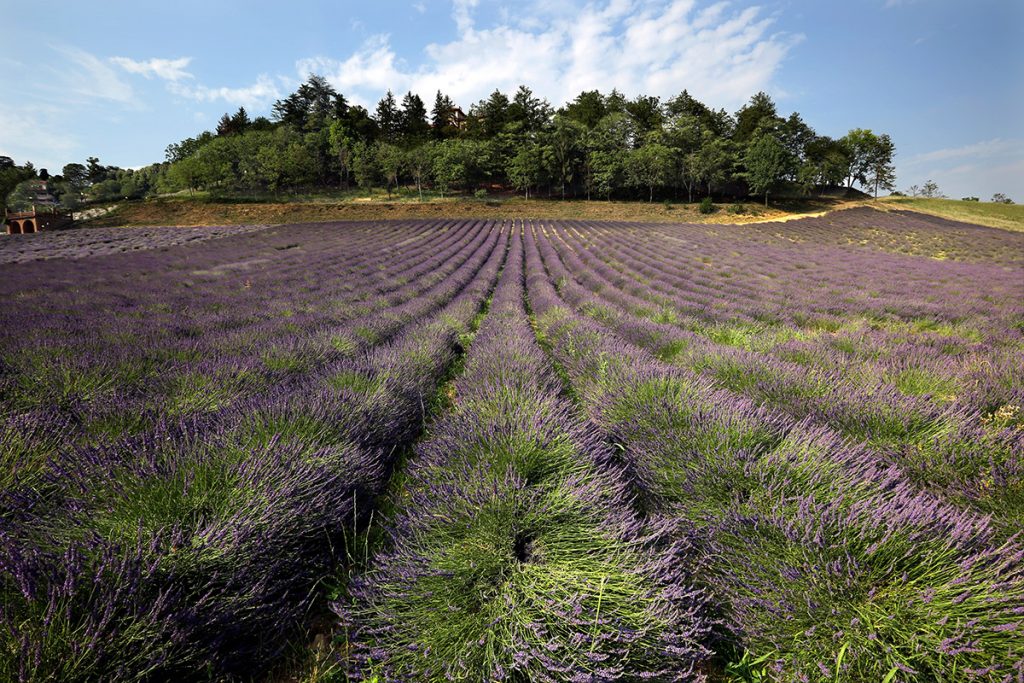
Lu and Cuccaro are now part of the same municipality, but each has its own distinct history.
Cuccaro Monferrato’s story is closely tied to the ancient Colombo family. The earliest documents refer to this family, reportedly granted the fief of Cuccaro (along with eight other villages) by Emperor Otto I in 960.
Castelnuovo Bormida
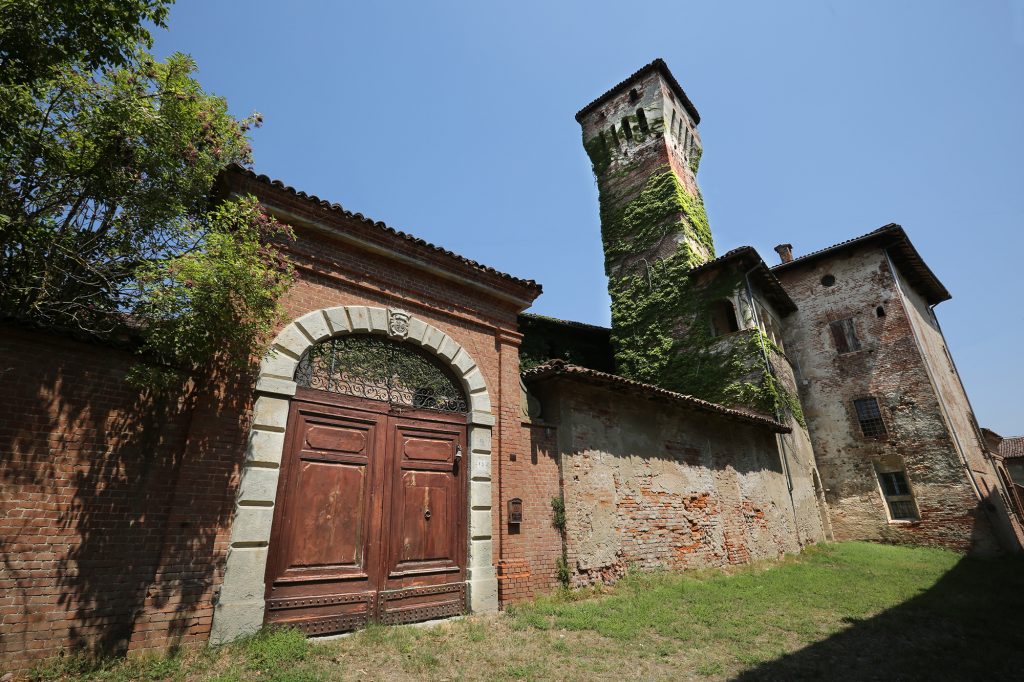
The exact date of this village’s foundation, along with that of its castle, is uncertain, though it is thought to have been established around 1120 by the bishops of Acqui. What is certain is that the castle and its settlement stood for centuries at the heart of events that shaped both the local area and Piedmont as a whole.
Refrancore
On display at the Louvre Museum in Paris is Refrancore’s most famous archaeological find, dating back to 1874.
Portocomaro
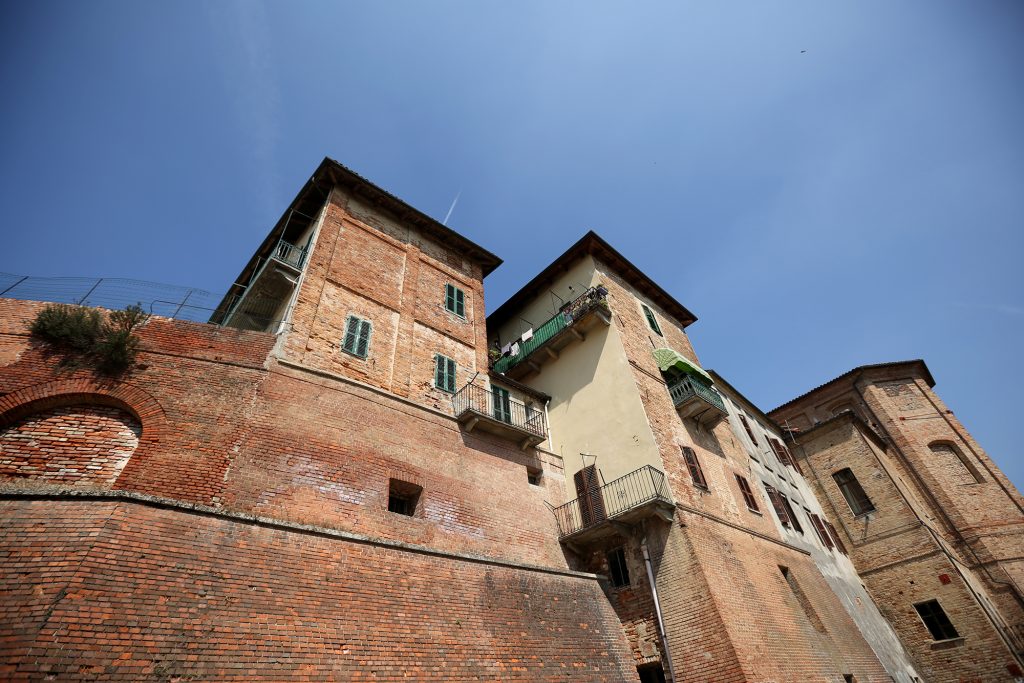
Just fifteen kilometers from Asti lies the village of Portacomaro, set at 220 meters above sea level among the rolling hills of Lower Monferrato. Its vineyards yield Ruchè but, above all, Grignolino—the variety produced in the hamlet of Migliandolo is said to have been a favorite of Queen Margherita of Savoy.
Scurzolengo
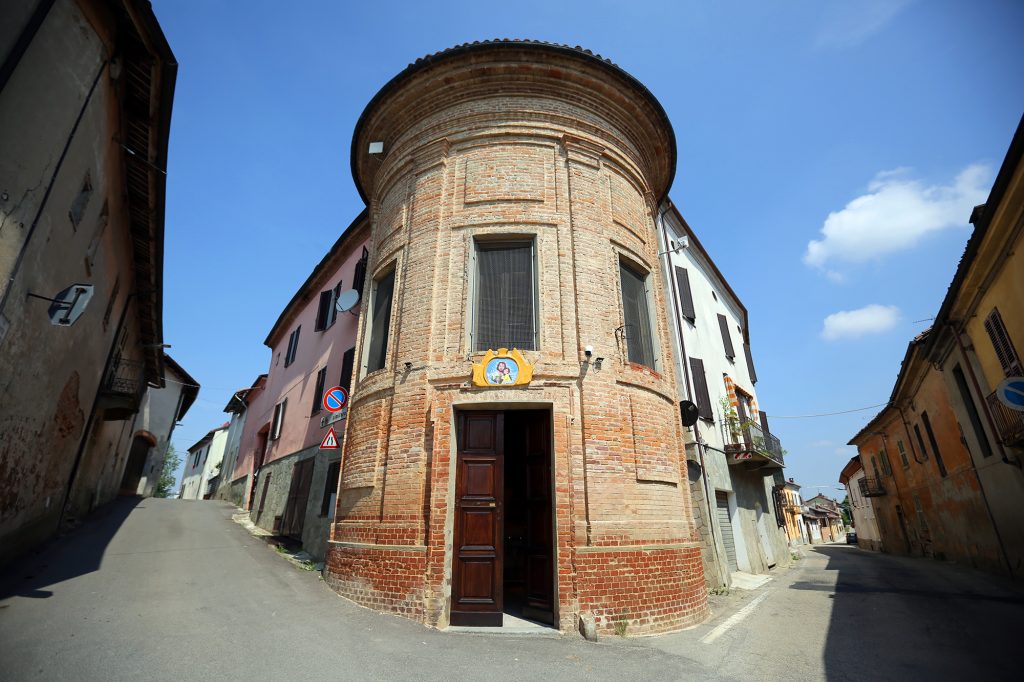
In a part of Lower Monferrato, 15 kilometers from Asti, the village of Scurzolengo sits atop a hill, surrounded by a gentle landscape of vineyards, hazelnut groves, and cultivated fields.
Castagnole Monferrato
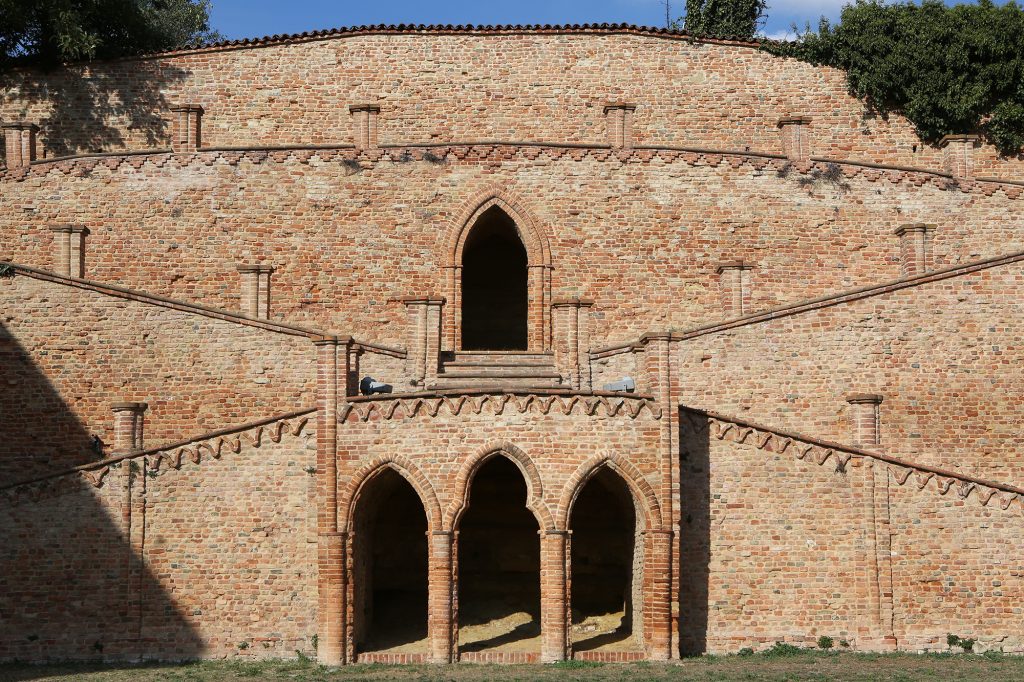
The Big Bench number 51, set among the ruby-red vineyards of Ruché, marks the entrance to Castagnole Monferrato, a village stretched along a ridge and surrounded by hills.
Montemagno
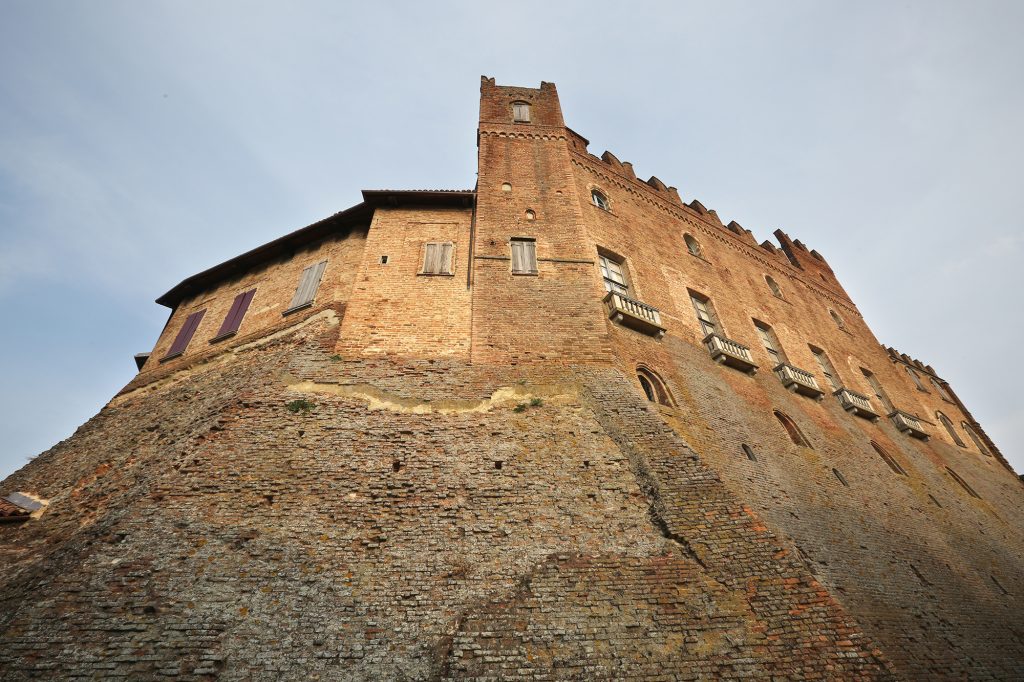
Just over 15 kilometers from the provincial capital of Asti, on a hill extending northeast of the city, lies the medieval village of Montemagno.
Grana
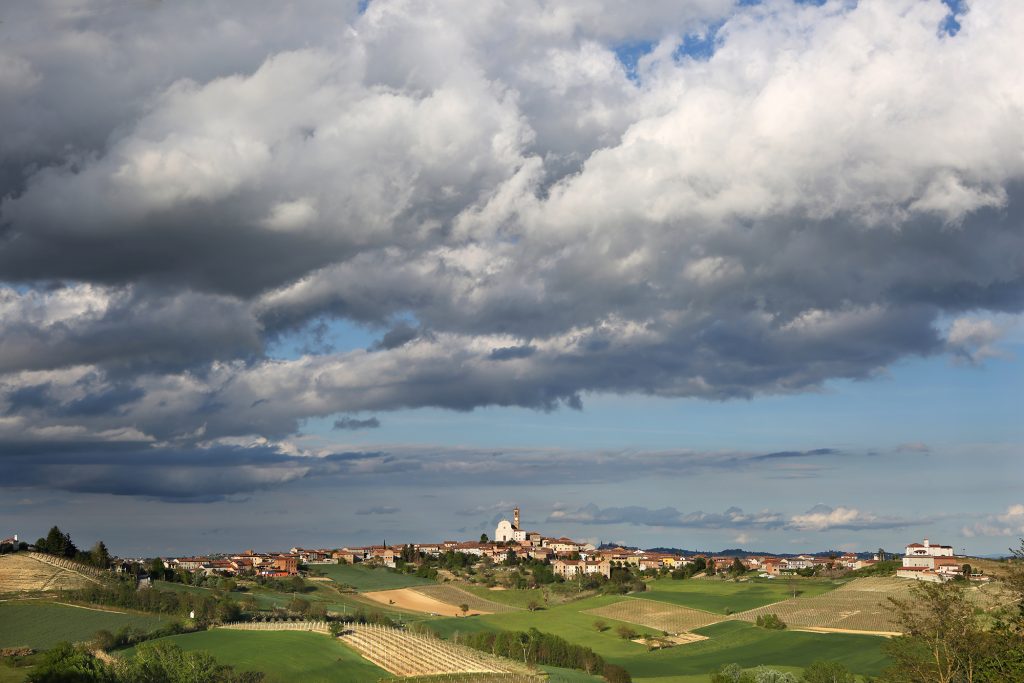
The small village of Grana takes its name from the Grana stream, which flows through the clay hills covered with vineyards on which Moncalvo and Grazzano are perched.
Altavilla Monferrato
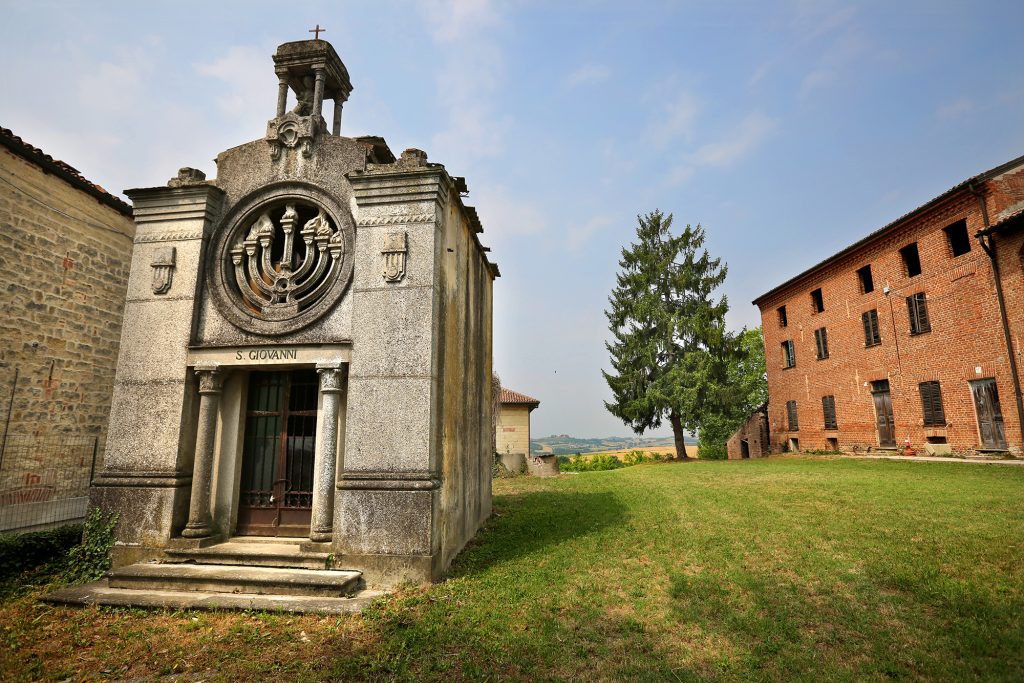
Altavilla stands atop a hill just over 250 meters high, commanding a view over the Grana stream valley. It is a small municipality of 450 inhabitants. Like many villages in this area, it has an ancient history: by 1320 it had a castle and was surrounded by walls, of which only a few traces remain today.
Felizzano
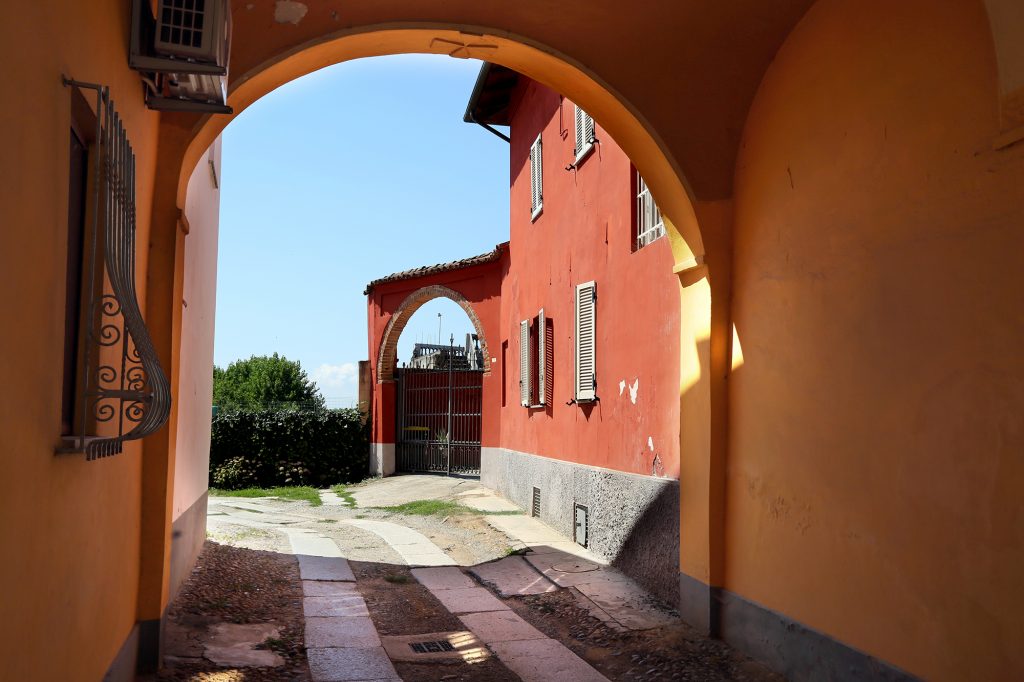
Fifteen kilometers west of Alessandria lies Felizzano, a town whose very name hints at its ancient Roman origins. Situated on the flat plains of the Tanaro Valley, it seems to mark the beginning of the Po Valley and is home to over 2,000 residents.