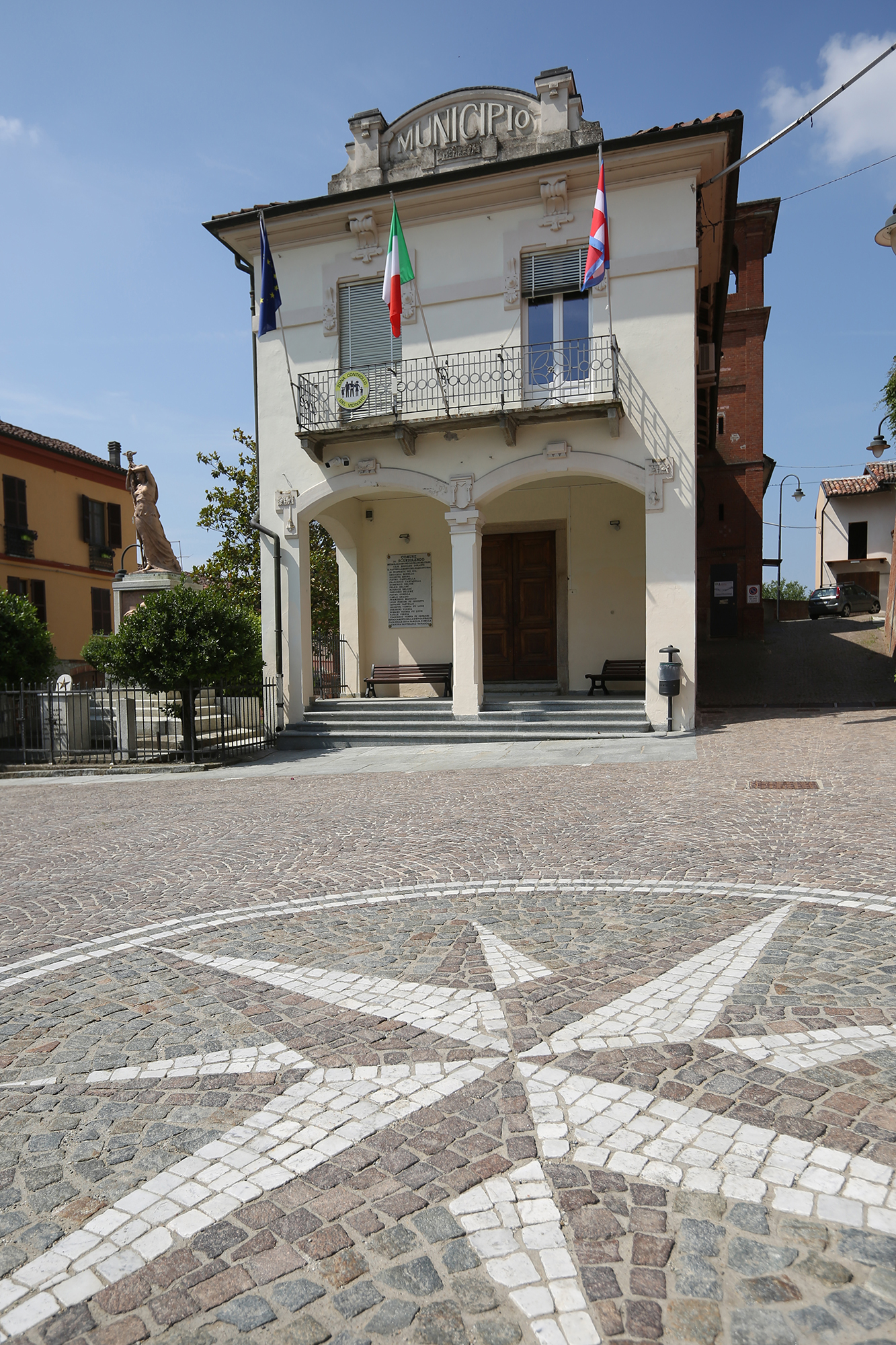
On clear days, the Alpine chain is visible, with Monviso dominating the skyline, while the surrounding hills reveal the villages of Grana, Montemagno, Castagnole, and, in the distance, almost as far as Vignale Monferrato, in a rolling succession of green hills.
The village likely has Lombard origins, though documentary evidence confirms its existence from the 10th century, and by the 12th century the village name appears in the same form as today. Its etymology points almost certainly to a Germanic origin.
In the 5th century, the entire region was overrun by barbarian hordes—the Visigoths under Alaric and the Huns under Attila—making it likely that a Germanic settlement lies at the origin of the village.
The history of Scurzolengo is closely linked to that of Asti. Due to its position on the border of the Monferrato marquisate, in 1159 Asti ordered its fortification, though the construction of the actual castle would not take place until the 14th century. From around the mid-16th century, the fief belonged to the Pergamo family of Asti, who sold it in 1724 to the Cotti di Ceres family, the village’s last feudal lords, who also received the title of Counts.
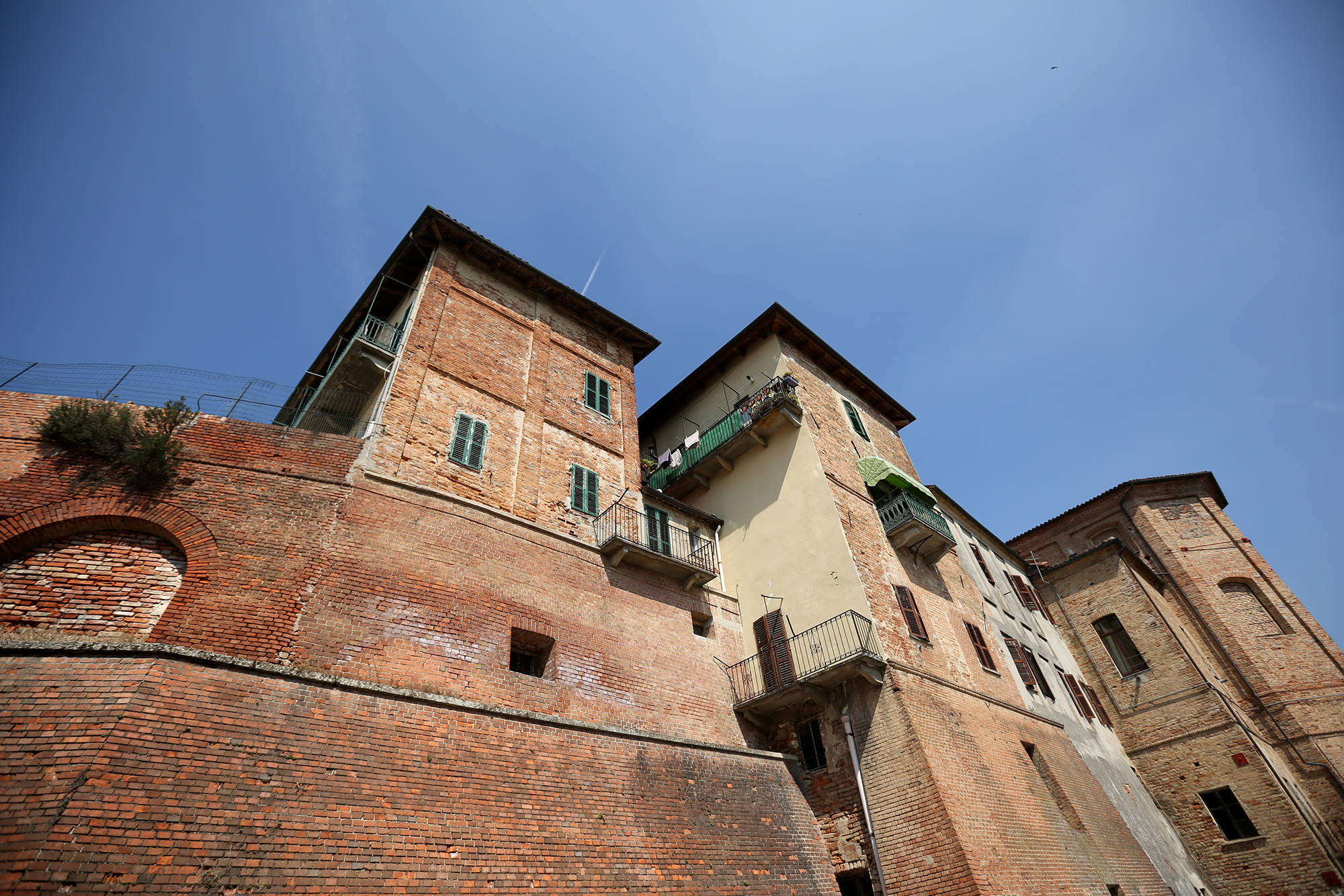
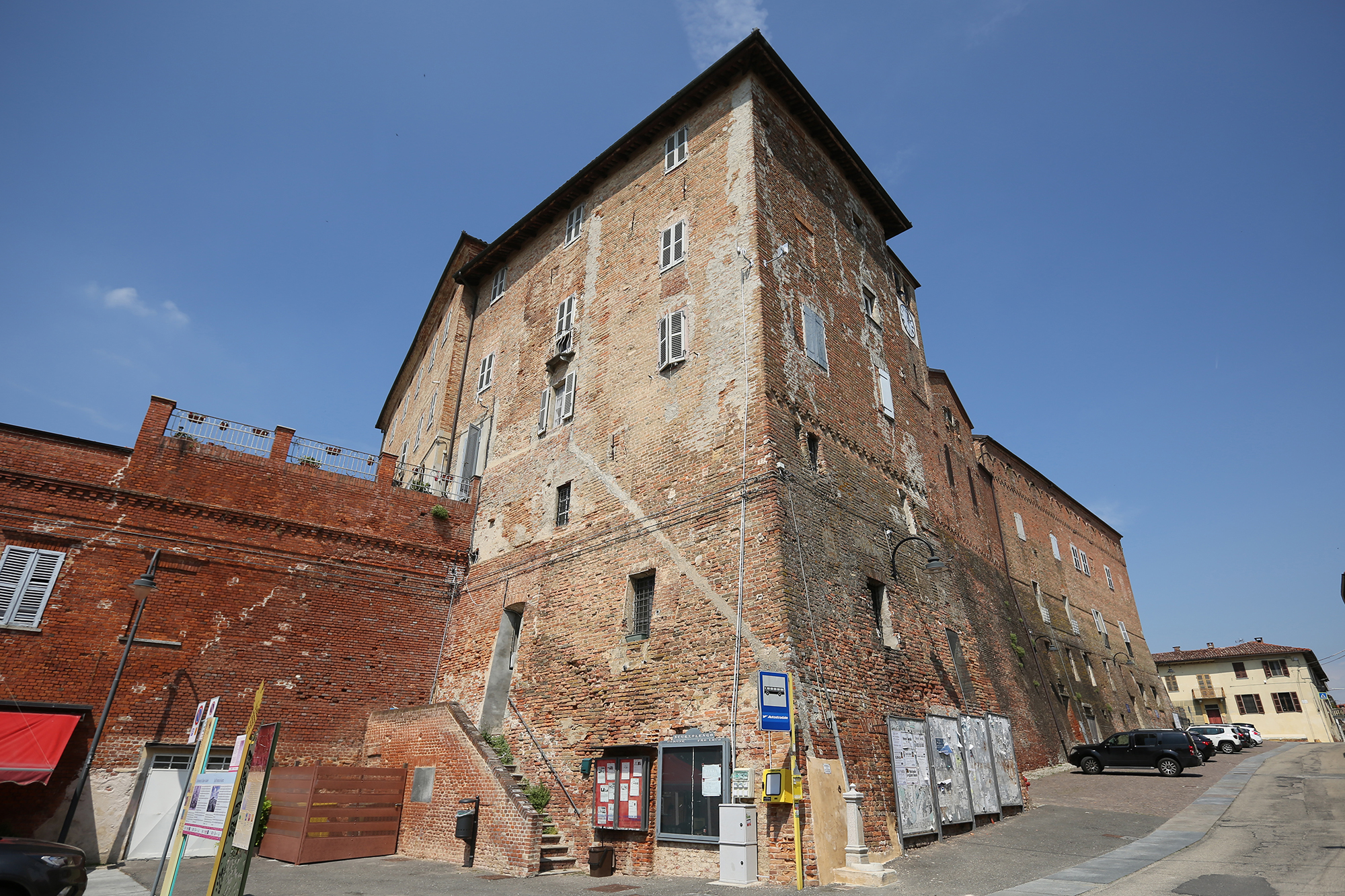
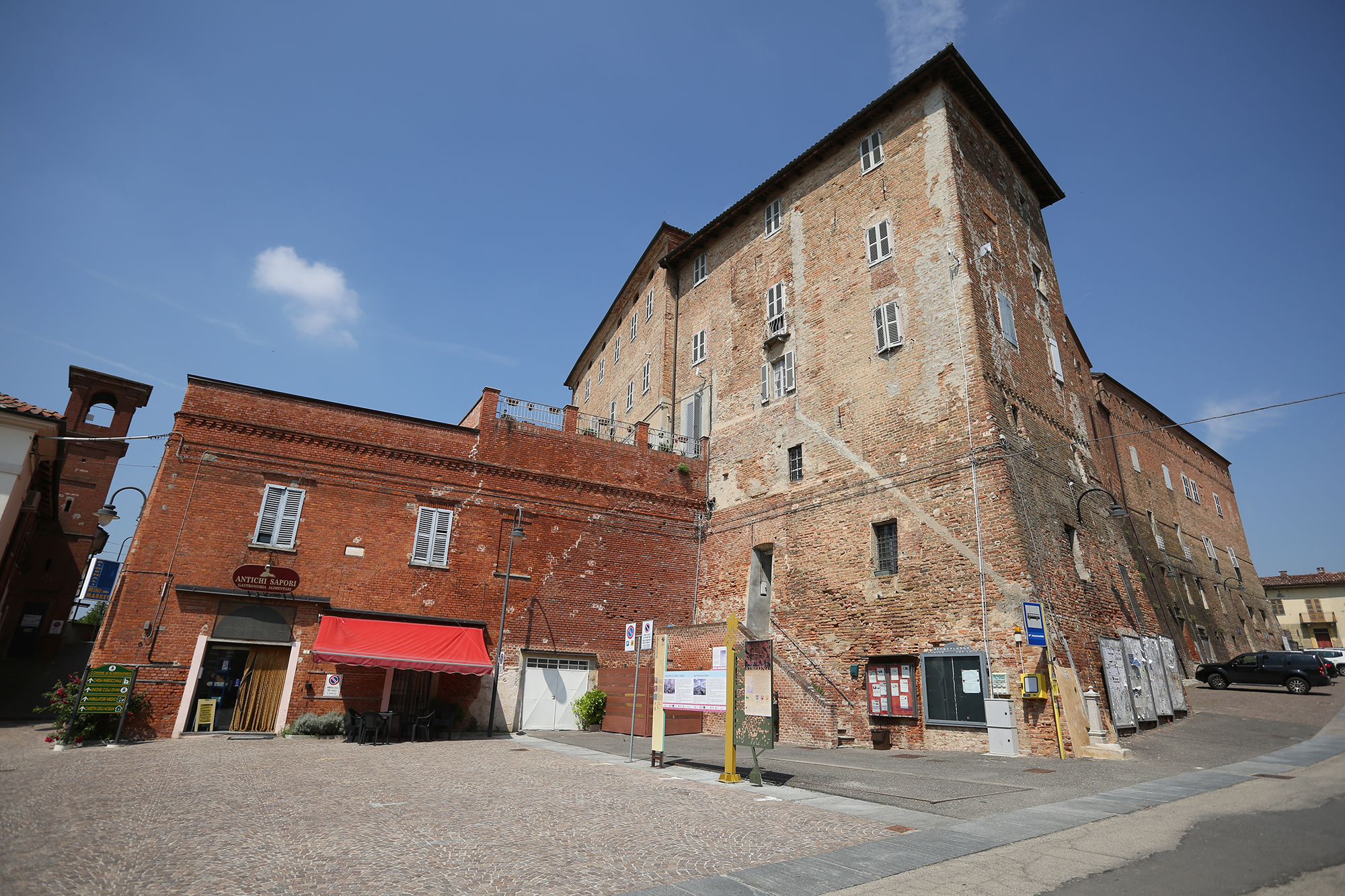
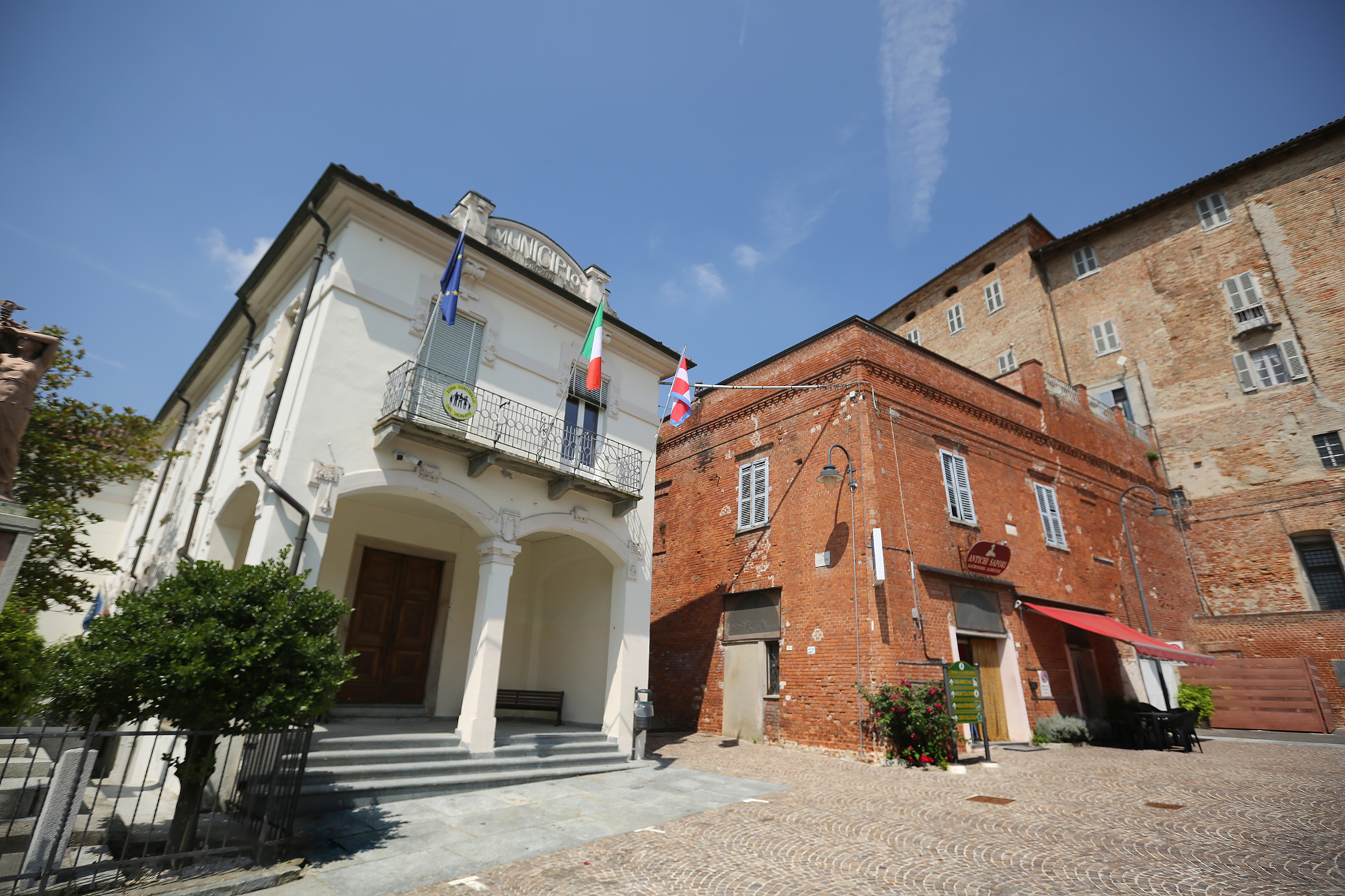
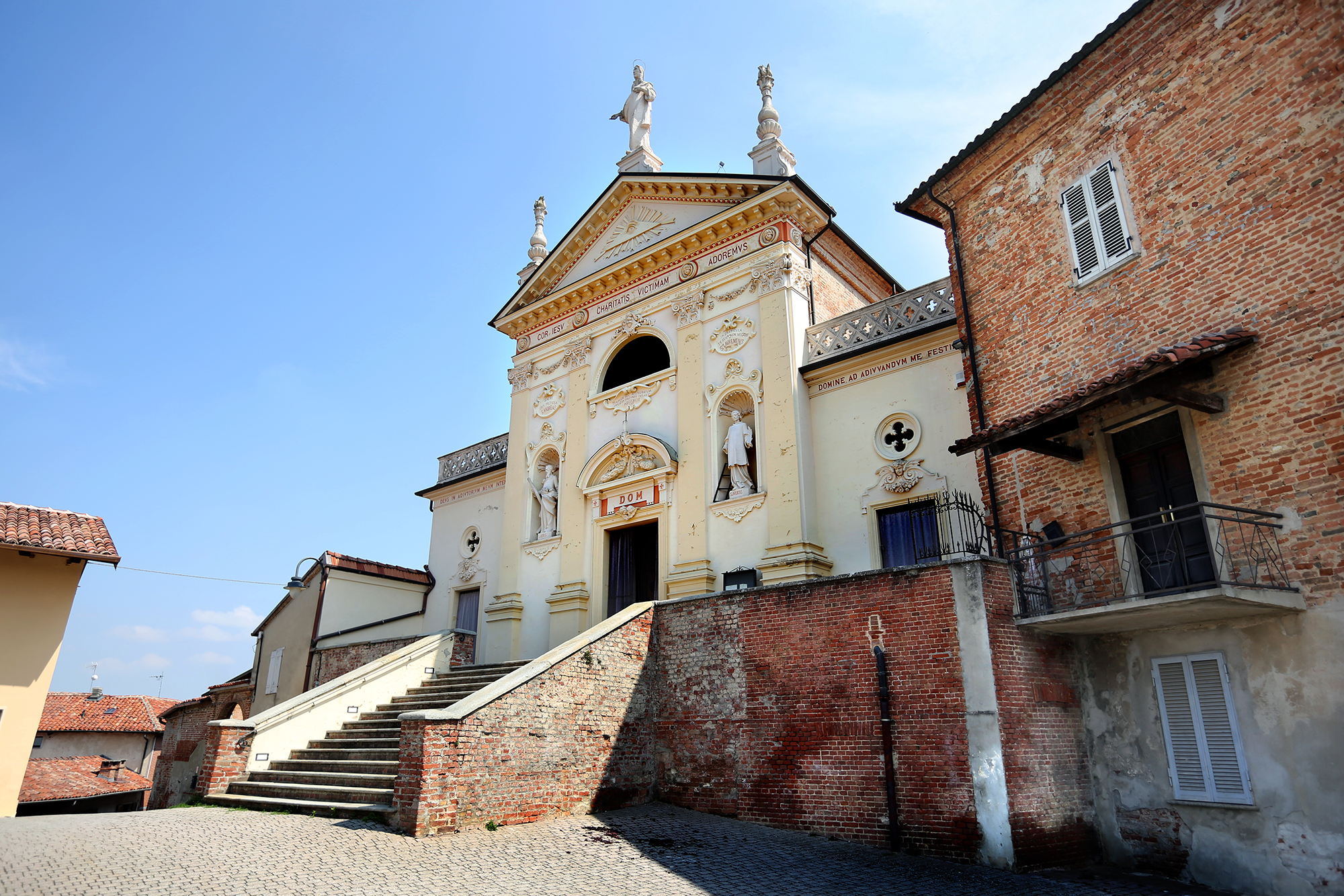
The castle of Scurzolengo still stands, divided among various private owners, which makes visiting the interior difficult. Visitors must therefore content themselves with walking around the structure and admiring its original layout, which is connected to the Parish Church of San Lorenzo, the bell tower, and the 18th-century rectory. The church, accessed via a staircase, has a beautiful Baroque façade adorned with statues in niches. Its origins are ancient, but 17th-century renovations, followed by 18th- and 19th-century modifications, gave it its current appearance.
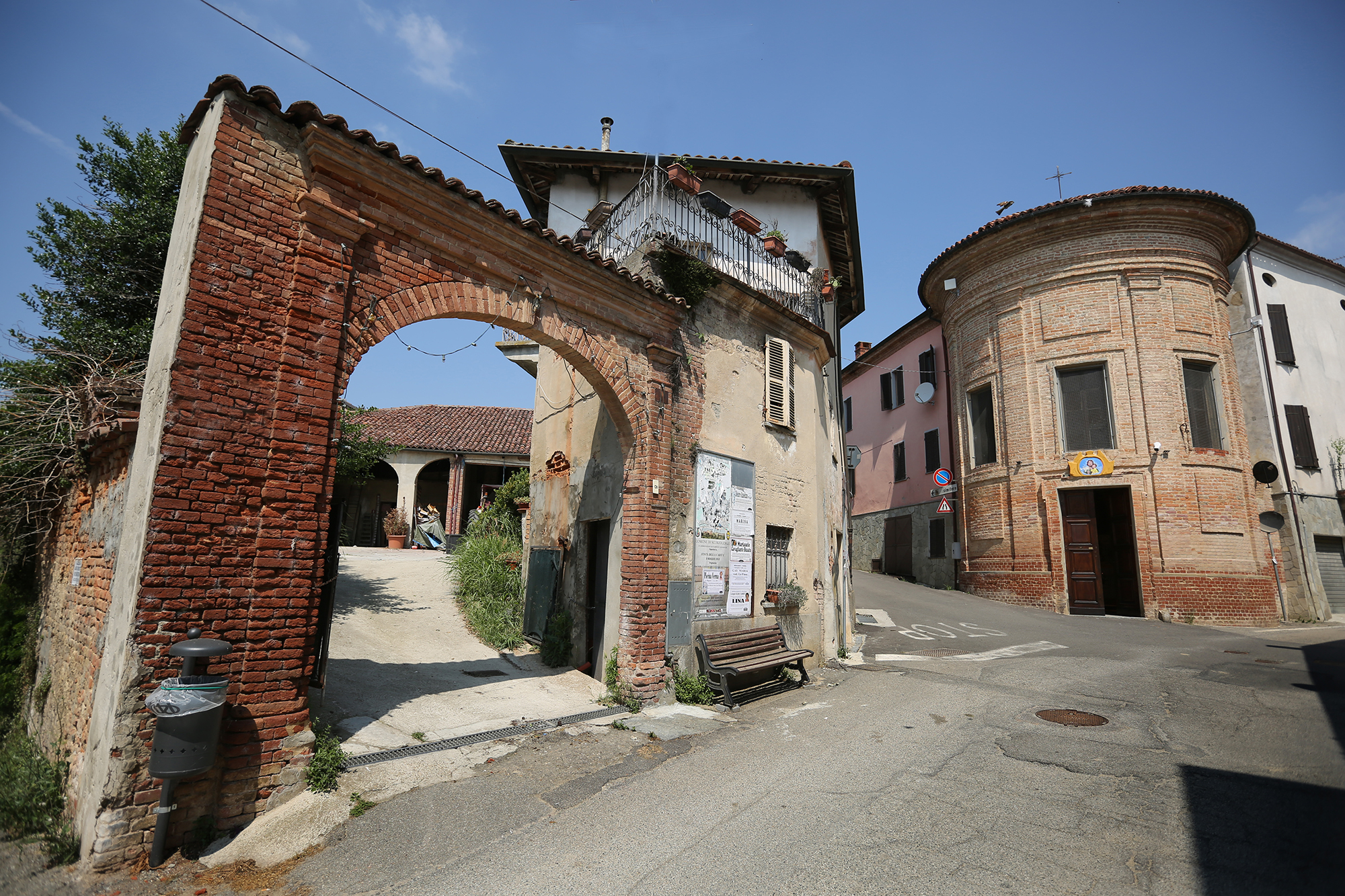
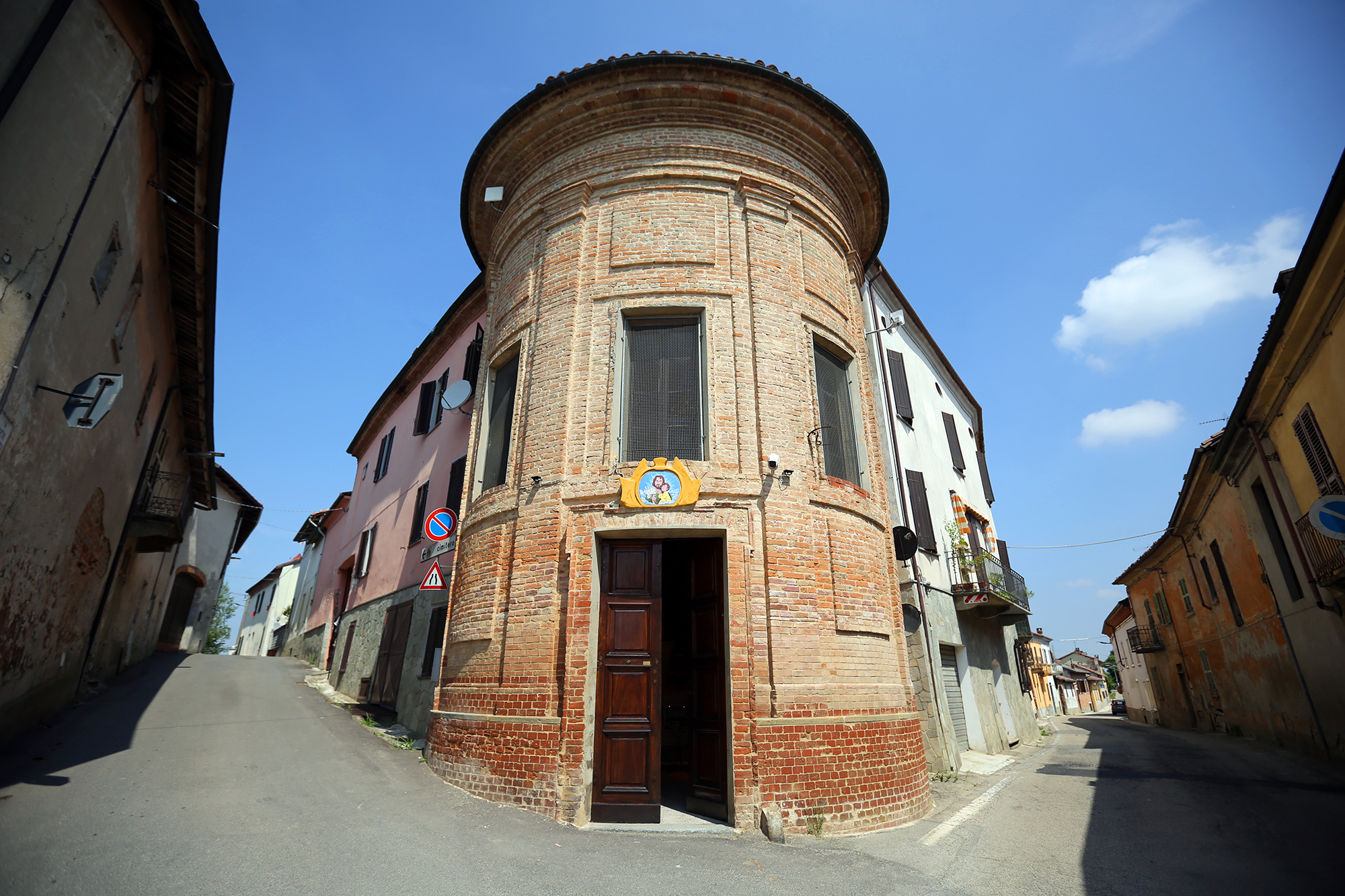
Among the other religious buildings, the Chapel of San Giuseppe is particularly notable. Circular in shape and nestled between two elegant Baroque palaces, its present form dates to a reconstruction carried out in 1588.