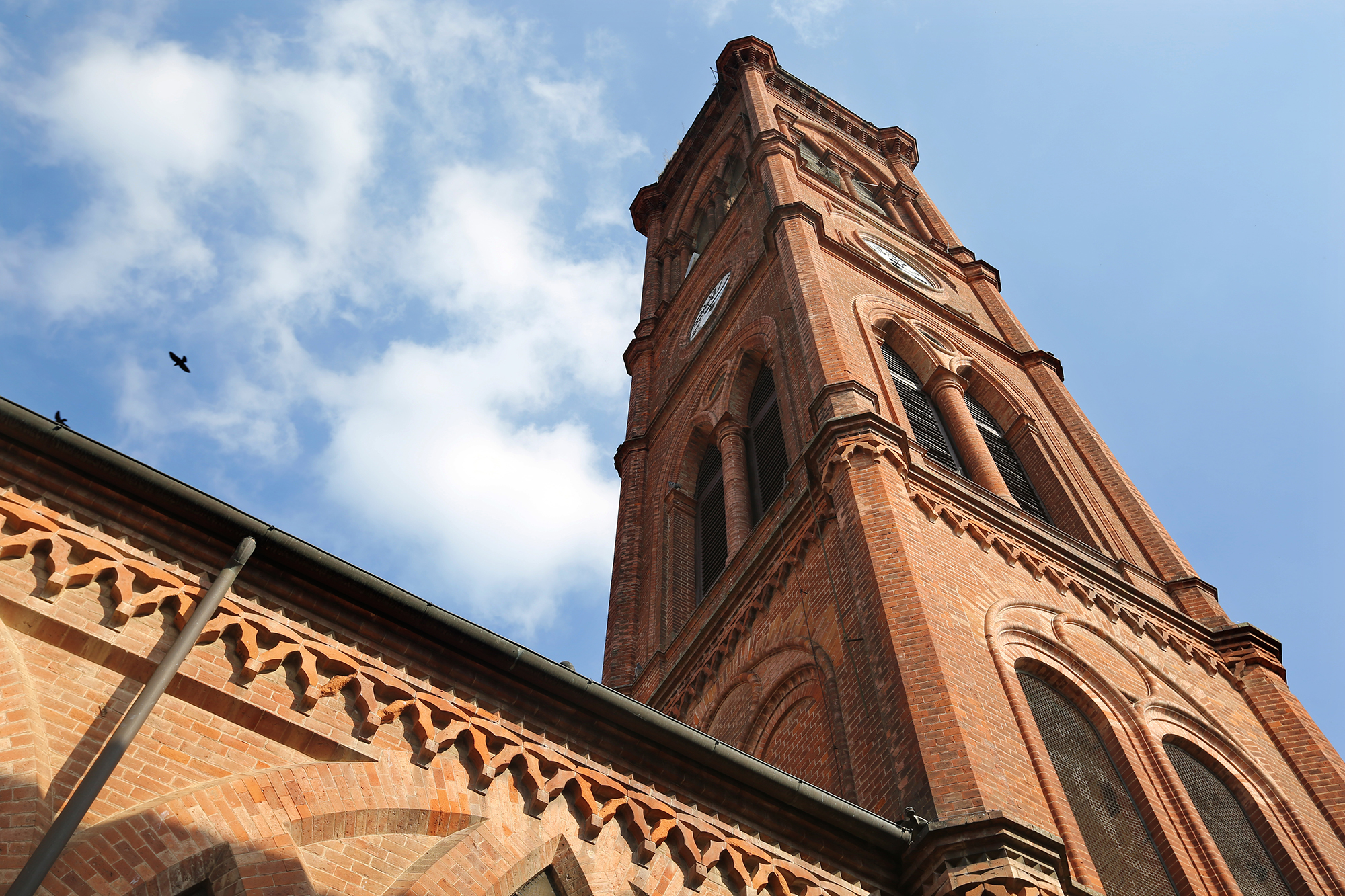
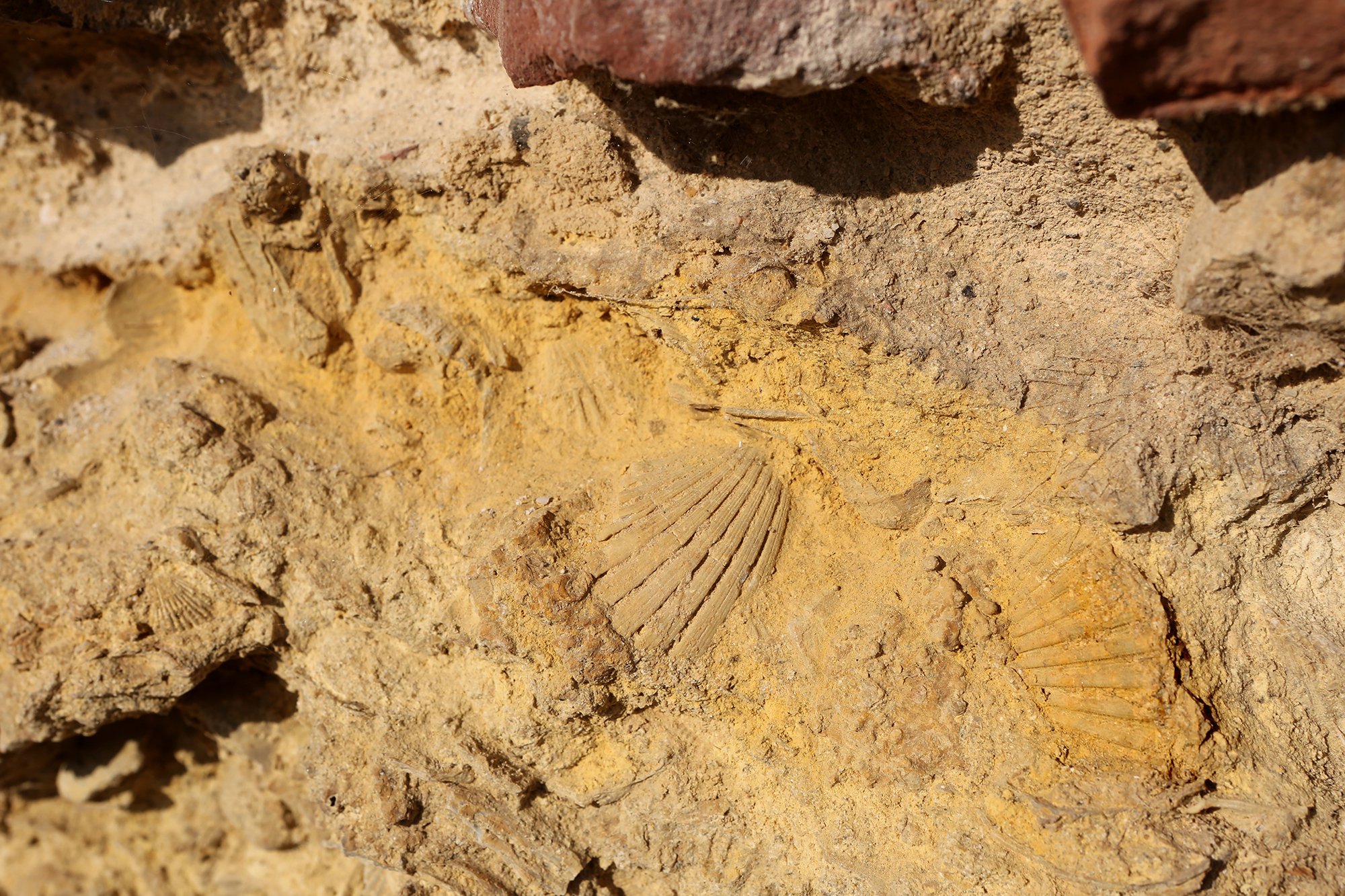
Fubine sits atop a rocky outcrop of the famous yellow sandstone known as pietra da cantoni. Its skyline is dominated by the 56-meter-high Gothic bell tower of the parish church, offering spectacular views of the entire village and the surrounding vineyards.
The village offers many points of interest, from its open-air architecture to the uniquely fascinating underground heritage, with dozens of Infernot—traditional underground cellars characteristic of the area.
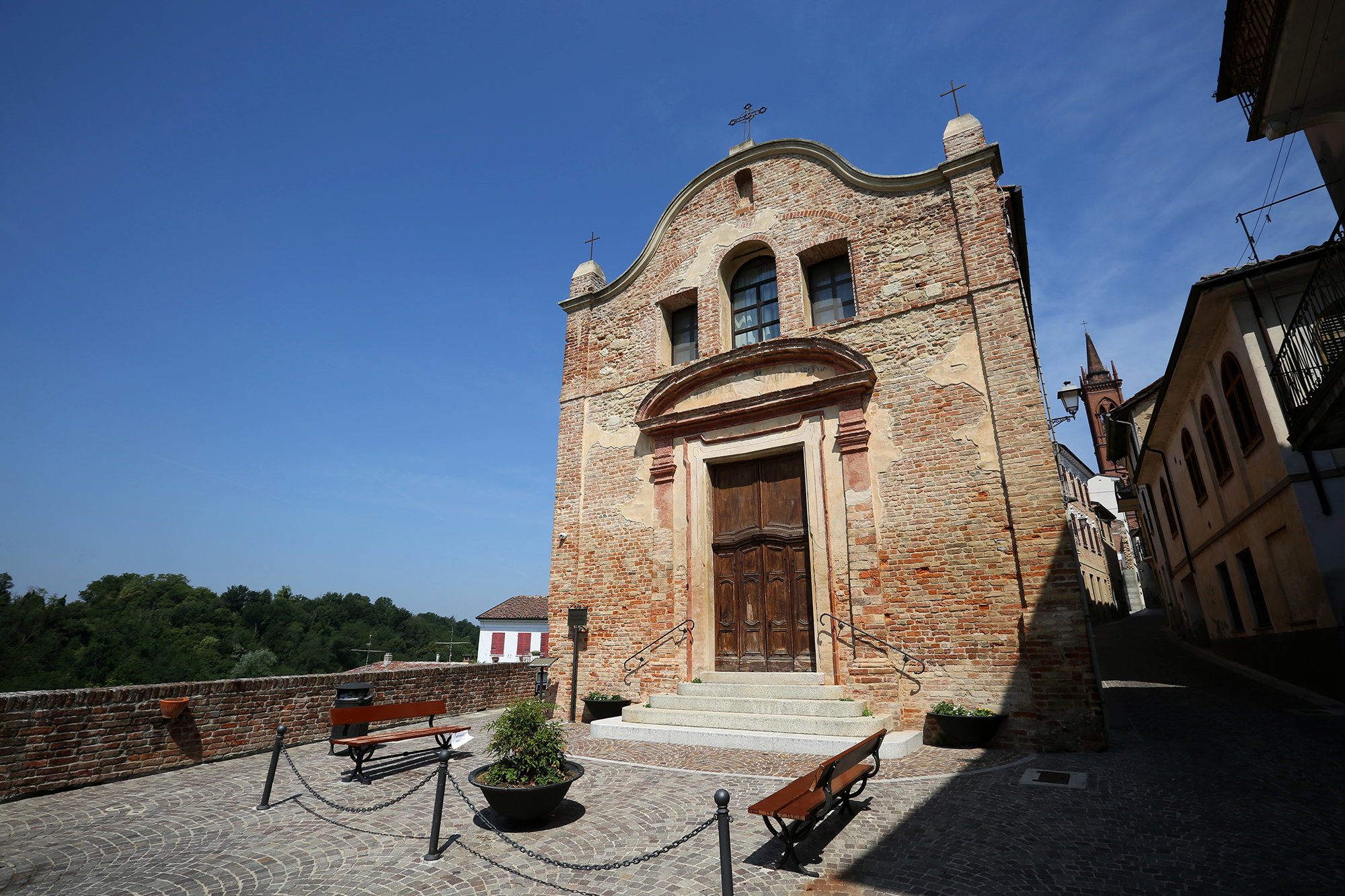
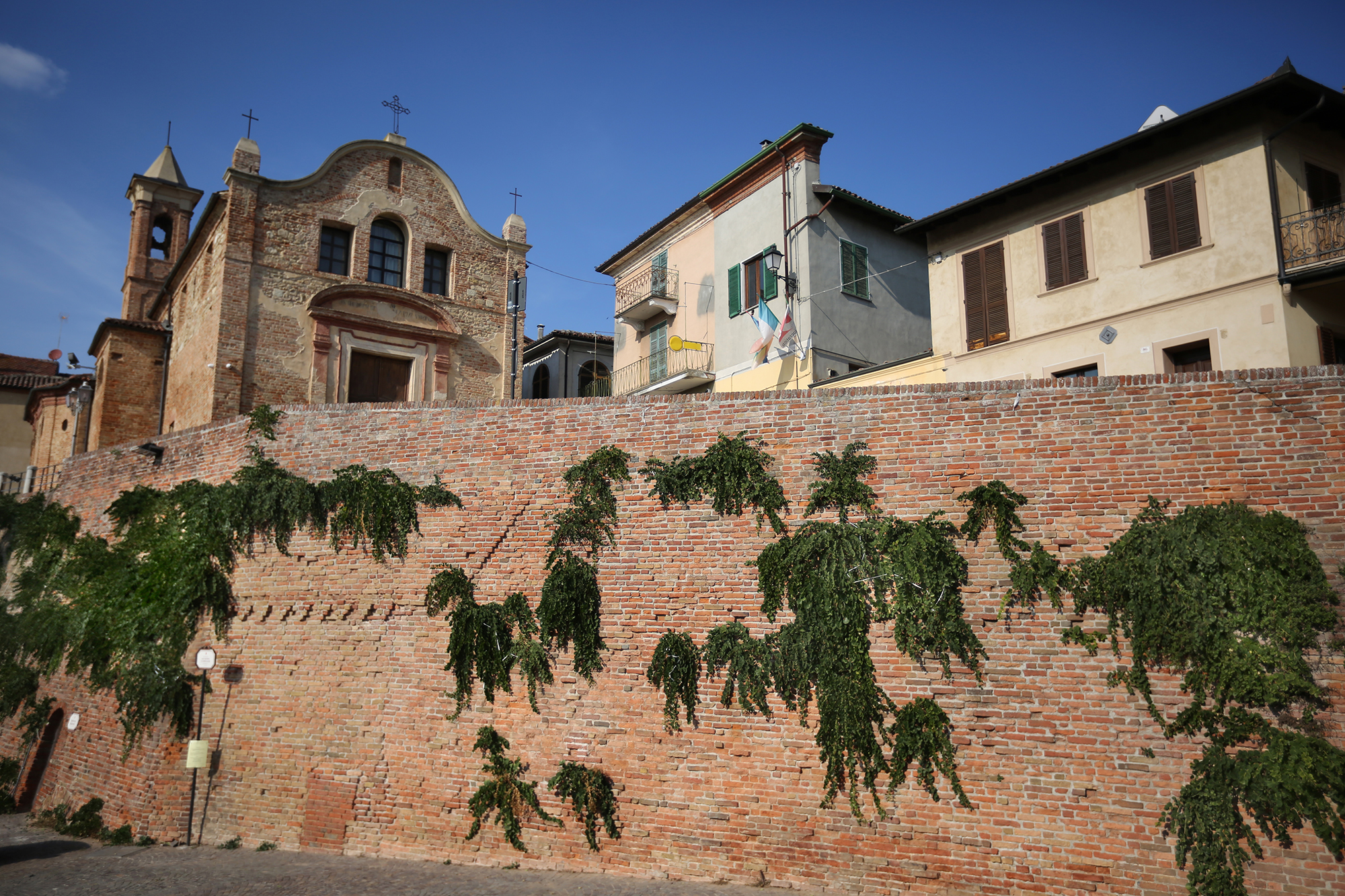
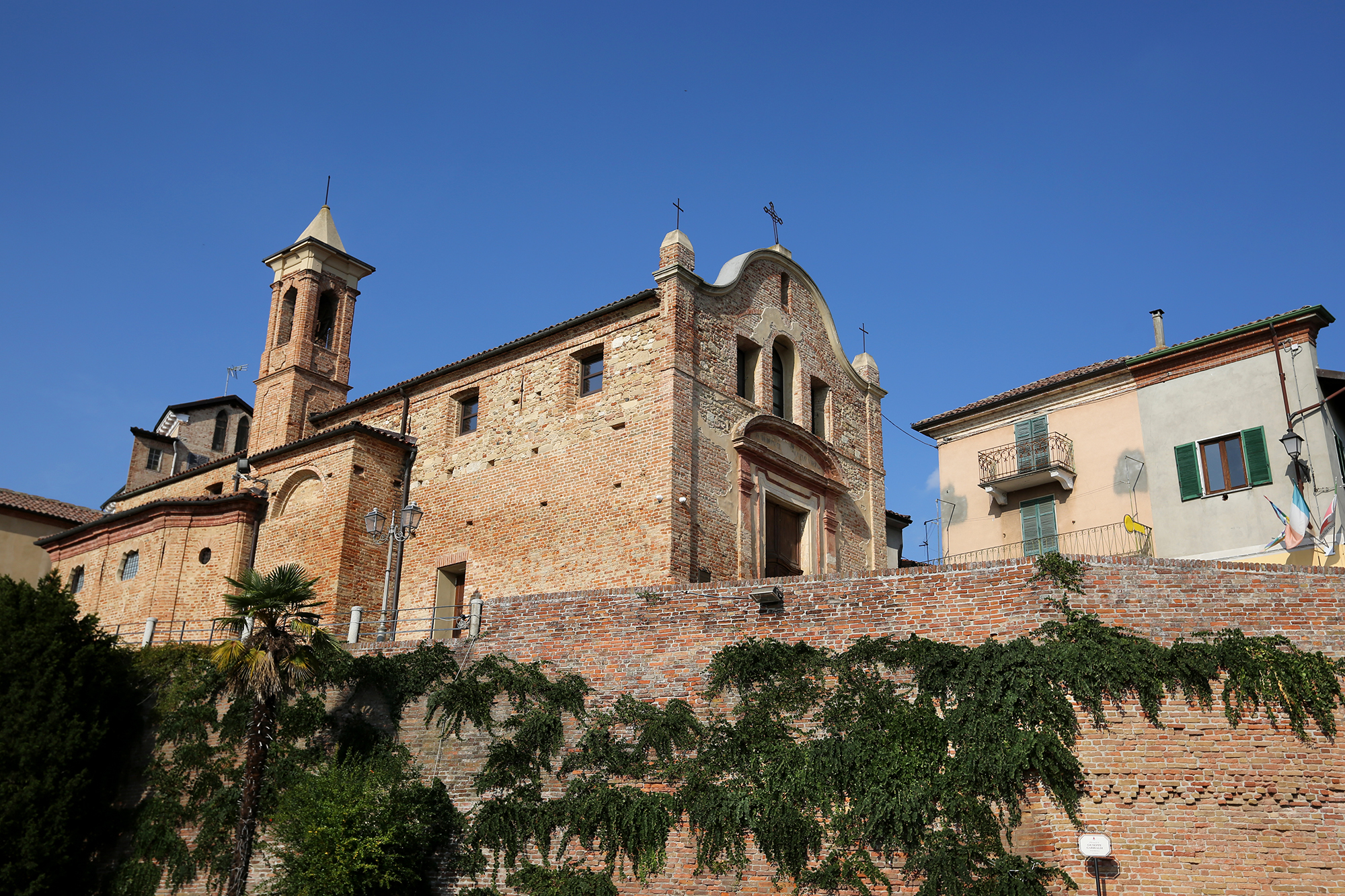
The well-preserved village is rich in historic buildings, including the 18th-century Palazzo Pane, attached to the town hall and finely frescoed inside. There are also several churches, often built during plague periods, such as Sant’Ignazio, the Church of the Immaculate Conception, and the deconsecrated Batù Church (formerly the Church of the Immaculate Conception), now used as a theater and exhibition space.
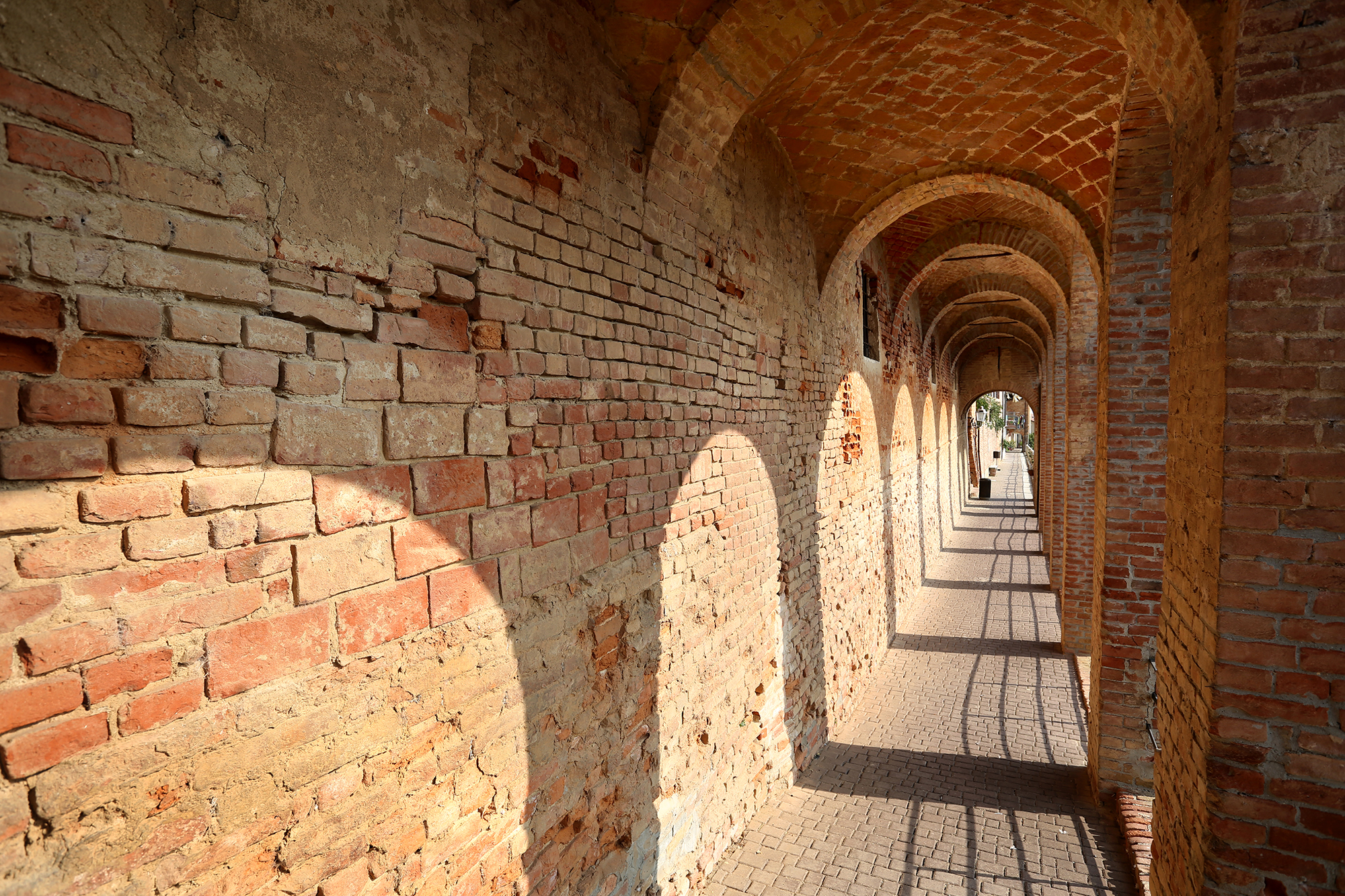
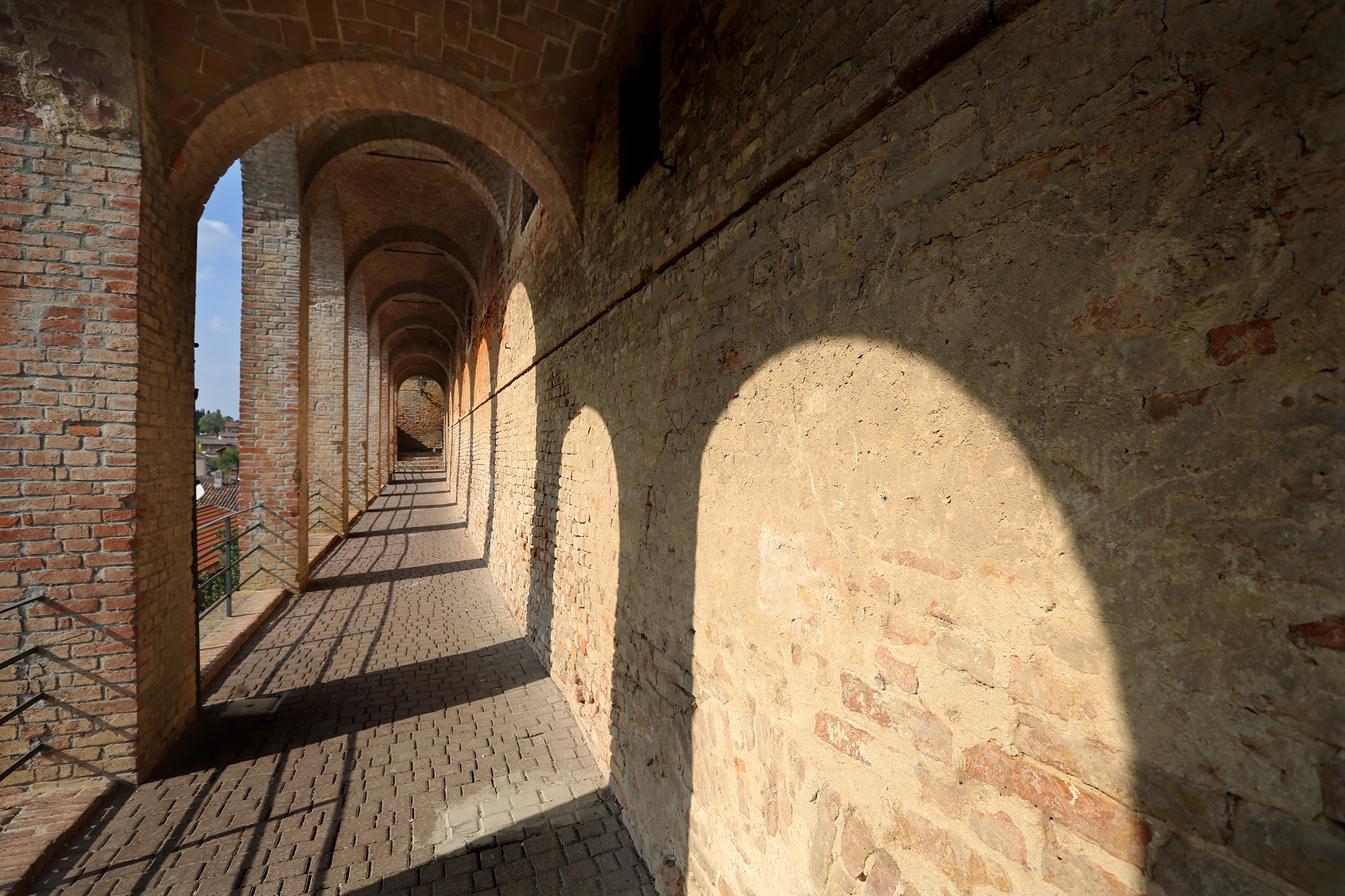
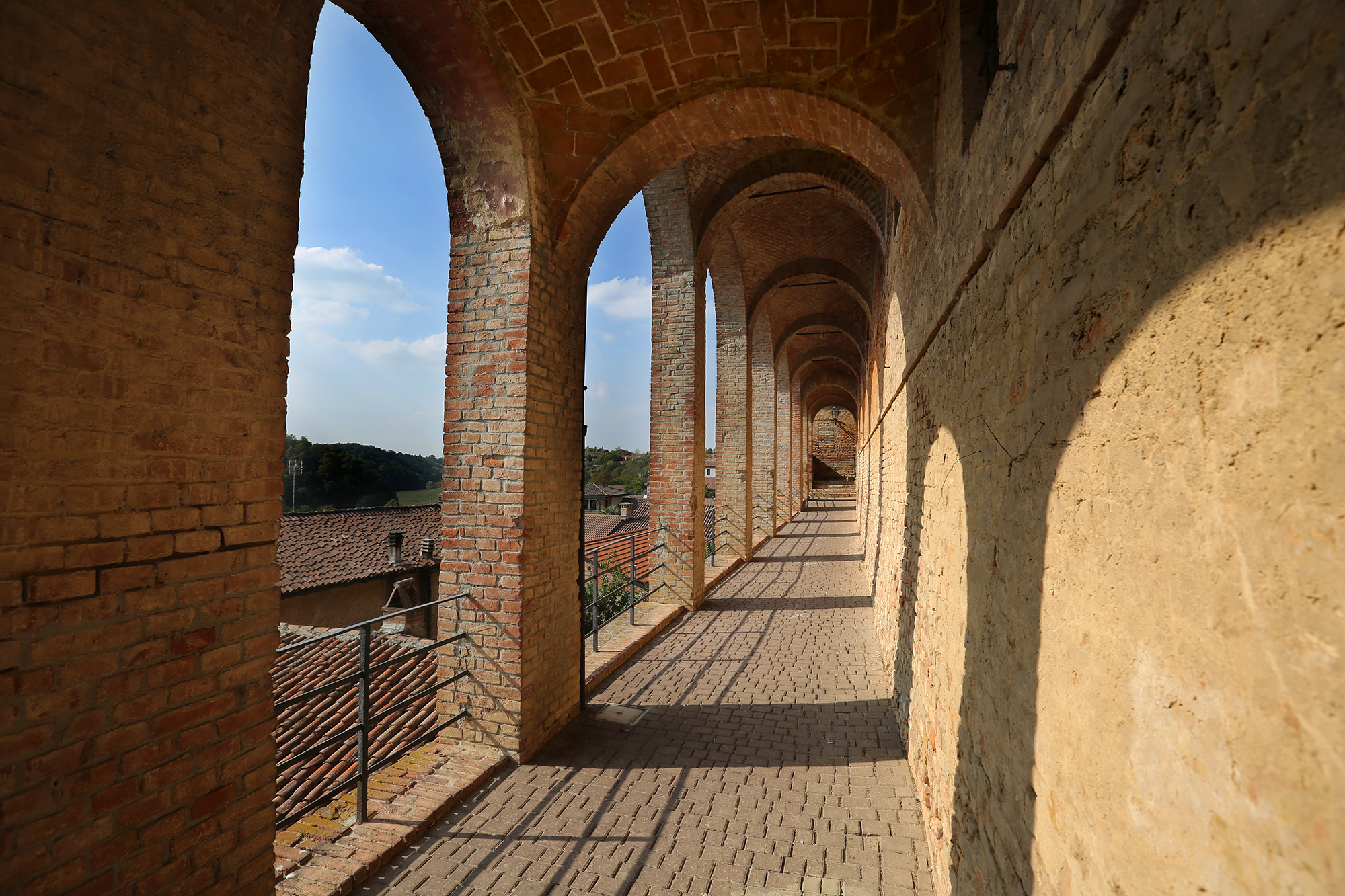
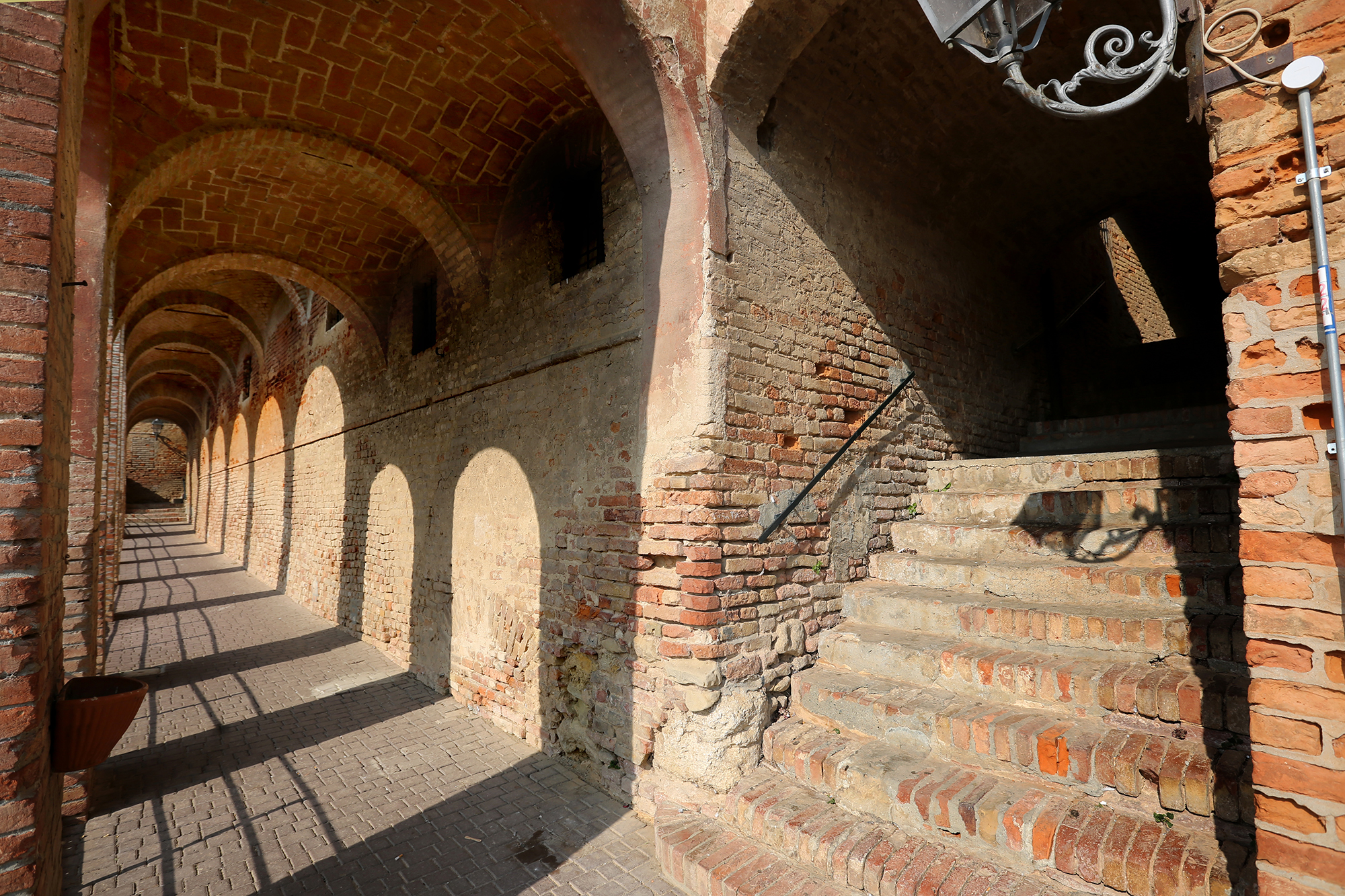
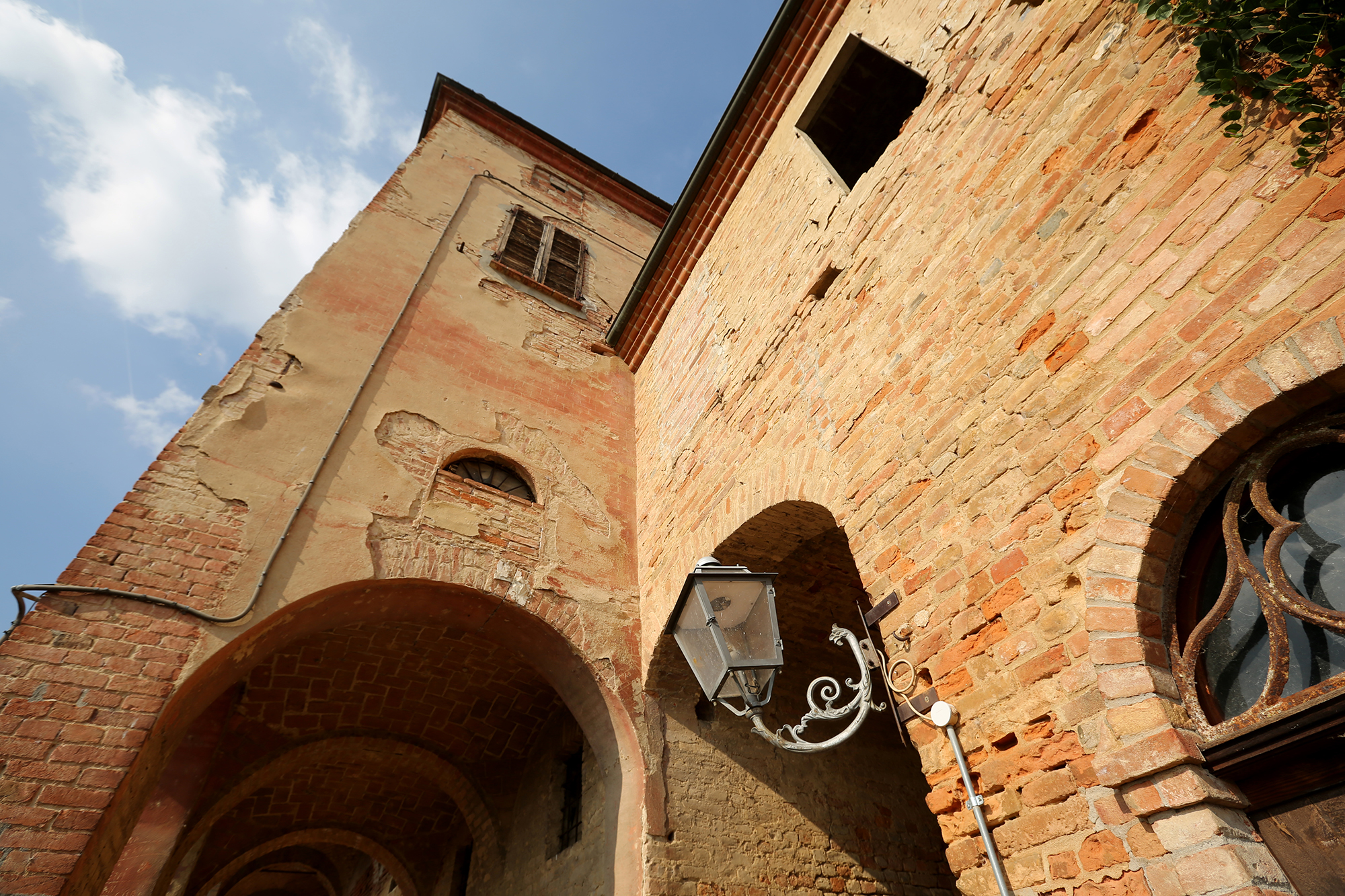
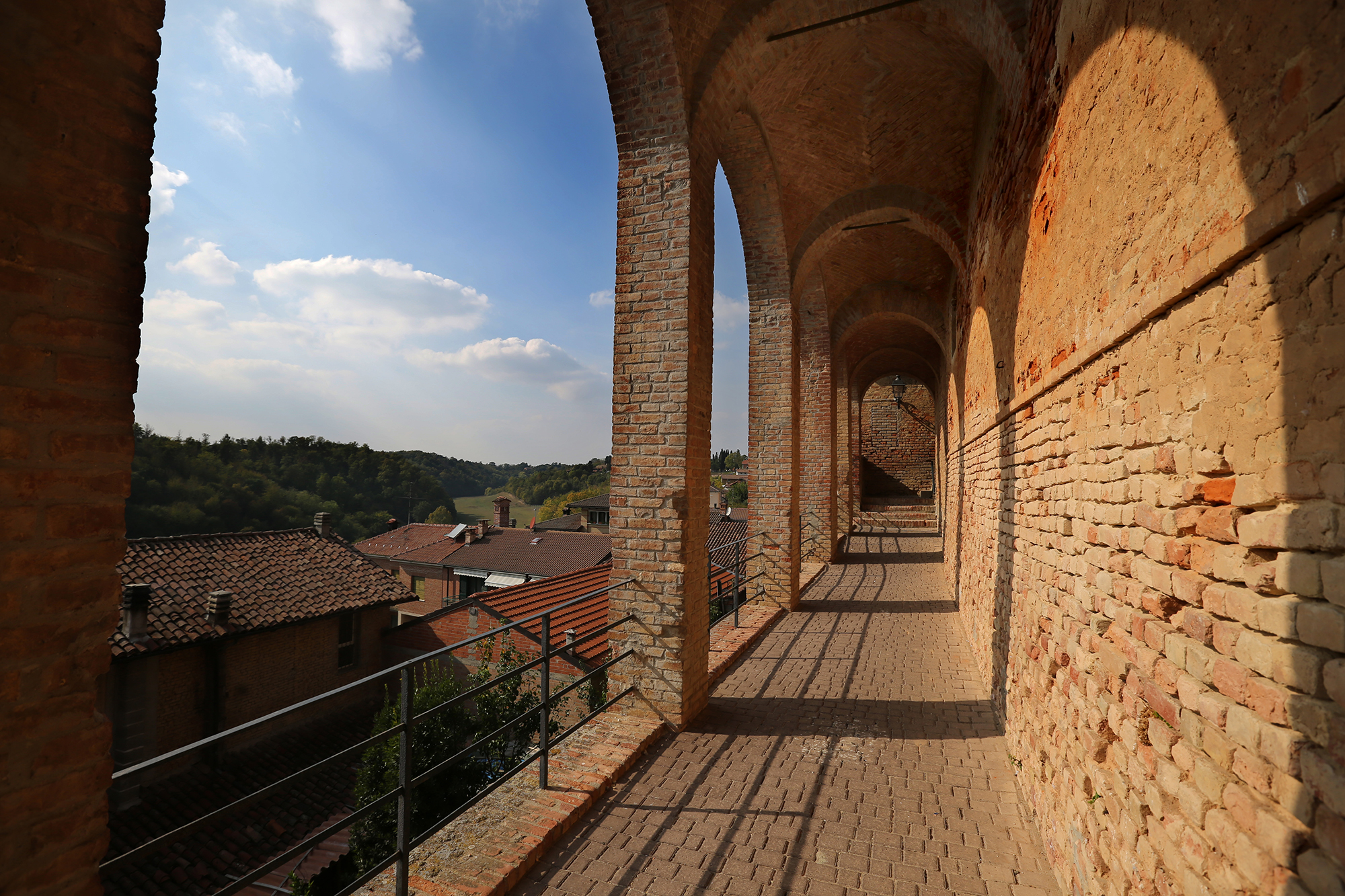
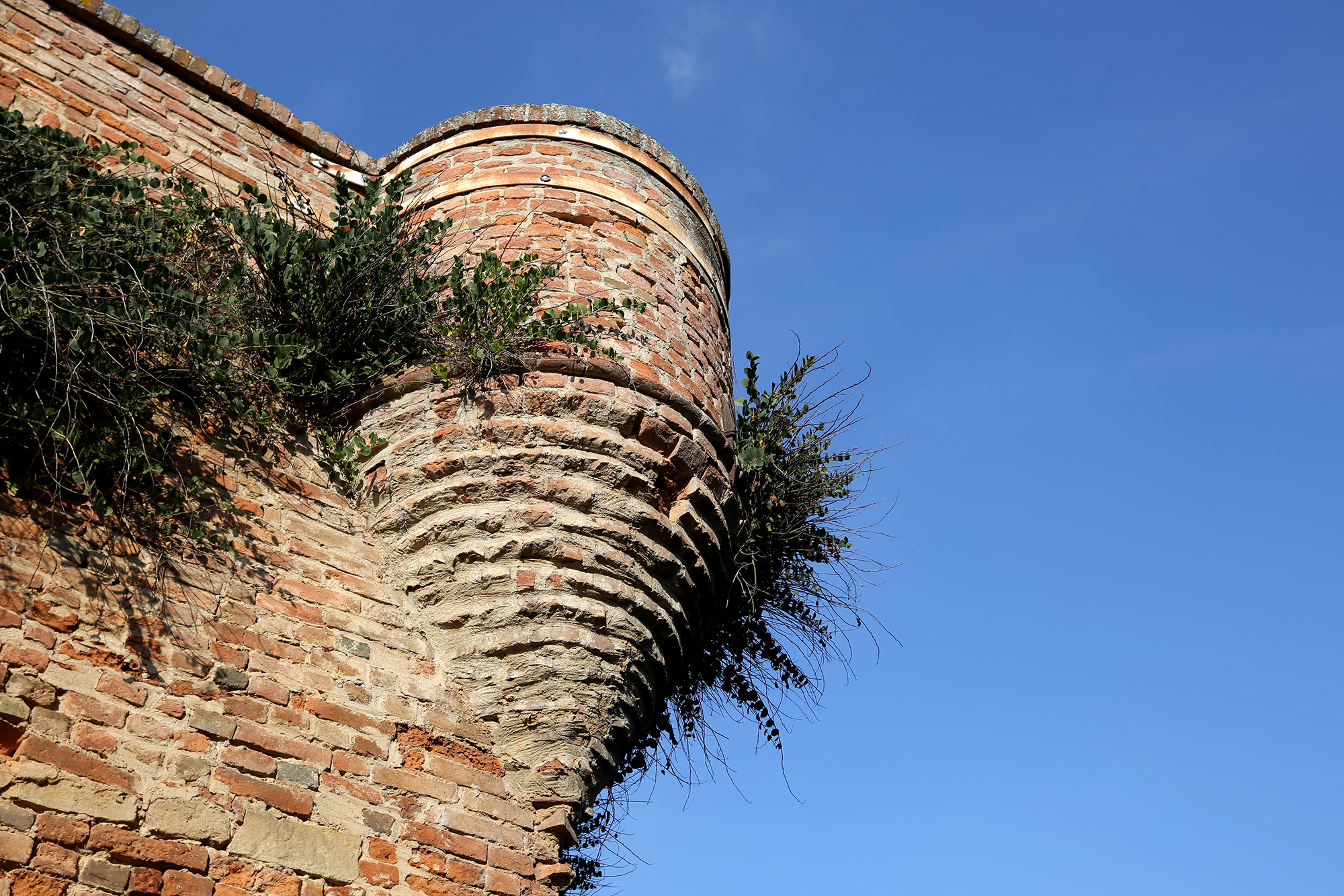
Fubine’s winding alleys lead to a panoramic walkway known as lo Spalto, the remains of the old walls that once fortified the upper part of the village. Accessed via the ancient bridge—which still exists today in brick but was originally built in wood in the 1500s to allow easy demolition in case of invasion—the walkway provides striking views over the village.
A notable name in Fubine is the Bricherasio family, former owners of the castle, now a retirement home. Their famous elevated garden, home to ancient plants, is still open to visitors. The family also commissioned the chapel and the funerary monument dedicated to Count Emanuele Bricherasio, co-founder of FIAT and ACI, crafted by Leonardo Bistolfi, the renowned Casale Monferrato sculptor and exponent of Italian Symbolism, whose work is largely featured in Casale’s gipsoteca.
To explore Fubine’s underground heritage, visitors should contact the local tourist office, which manages the first accessible infernot and can arrange, even by phone, visits to the most interesting underground cellars—most of which are privately owned. Thanks to the generosity of the owners, it is generally possible to admire these subterranean structures, which form part of the area’s UNESCO World Heritage.
Leaving the village along the road to Cuccaro, visitors will encounter a Big Bench named Meraviglia, set in a naturally panoramic area.
The well-preserved village is rich in historic buildings, including the 18th-century Palazzo Pane, attached to the town hall and finely frescoed inside.
There are also several churches, often built during plague periods, such as Sant’Ignazio, the Church of the Immaculate Conception, and the deconsecrated Batù Church (formerly the Church of the Immaculate Conception), now used as a theater and exhibition space.
Fubine’s winding alleys lead to a panoramic walkway known as lo Spalto, the remains of the old walls that once fortified the upper part of the village. Accessed via the ancient bridge—which still exists today in brick but was originally built in wood in the 1500s to allow easy demolition in case of invasion—the walkway provides striking views over the village.
A notable name in Fubine is the Bricherasio family, former owners of the castle, now a retirement home. Their famous elevated garden, home to ancient plants, is still open to visitors.
The family also commissioned the chapel and the funerary monument dedicated to Count Emanuele Bricherasio, co-founder of FIAT and ACI, crafted by Leonardo Bistolfi, the renowned Casale Monferrato sculptor and exponent of Italian Symbolism, whose work is largely featured in Casale’s gipsoteca.
To explore Fubine’s underground heritage, visitors should contact the local tourist office, which manages the first accessible infernot and can arrange, even by phone, visits to the most interesting underground cellars—most of which are privately owned. Thanks to the generosity of the owners, it is generally possible to admire these subterranean structures, which form part of the area’s UNESCO World Heritage.
Leaving the village along the road to Cuccaro, visitors will encounter a Big Bench named Meraviglia, set in a naturally panoramic area.