It was always under the dominion of the lords of Monferrato, sharing all the historical events of the region, which included periods of great prosperity and periods of severe poverty. Mombaruzzo controlled the road connecting the Ligurian ports of Savona and Voltri to the inland territories, eventually reaching Northern Europe and Flanders. This made Mombaruzzo a privileged location. However, in 1528, Genoa subjugated Savona, turning it into the preferred port and almost completely cutting off the flow of goods along the old routes, which led the village into decline. A measure of tranquility and prosperity returned only under the House of Savoy.
The village clearly displays its medieval and Renaissance origins, with elegant, well-maintained palaces, ancient and more recent churches, and its Civic Tower, which rises high and imposingly over the historic center. Built around the mid-13th century for military purposes, with brick walls nearly one and a half meters thick, it was used as a watchtower equipped with a bell. In the 1400s, it became a prison, and now, having lost its original function, it serves solely as a clock tower.
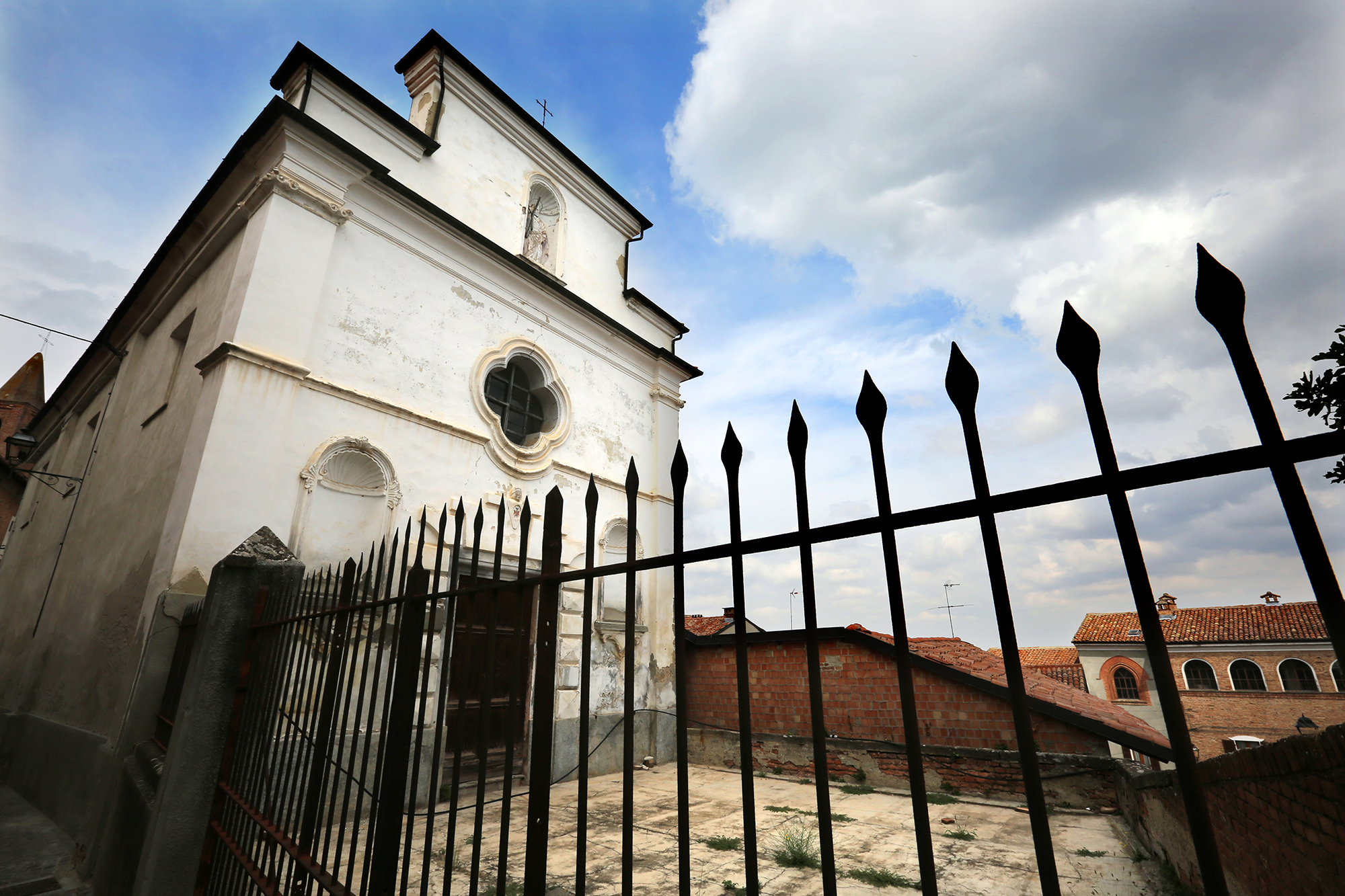
Among the religious buildings of particular interest is the Church of Saint Anthony Abbot from the 15th century. It stands on the ruins of a pre-existing religious structure and is now a national monument. The church underwent multiple modifications throughout the 18th and 19th centuries and exhibits a late Gothic style. The interior is rich in frescoes from various periods and houses an impressive organ built in 1791.
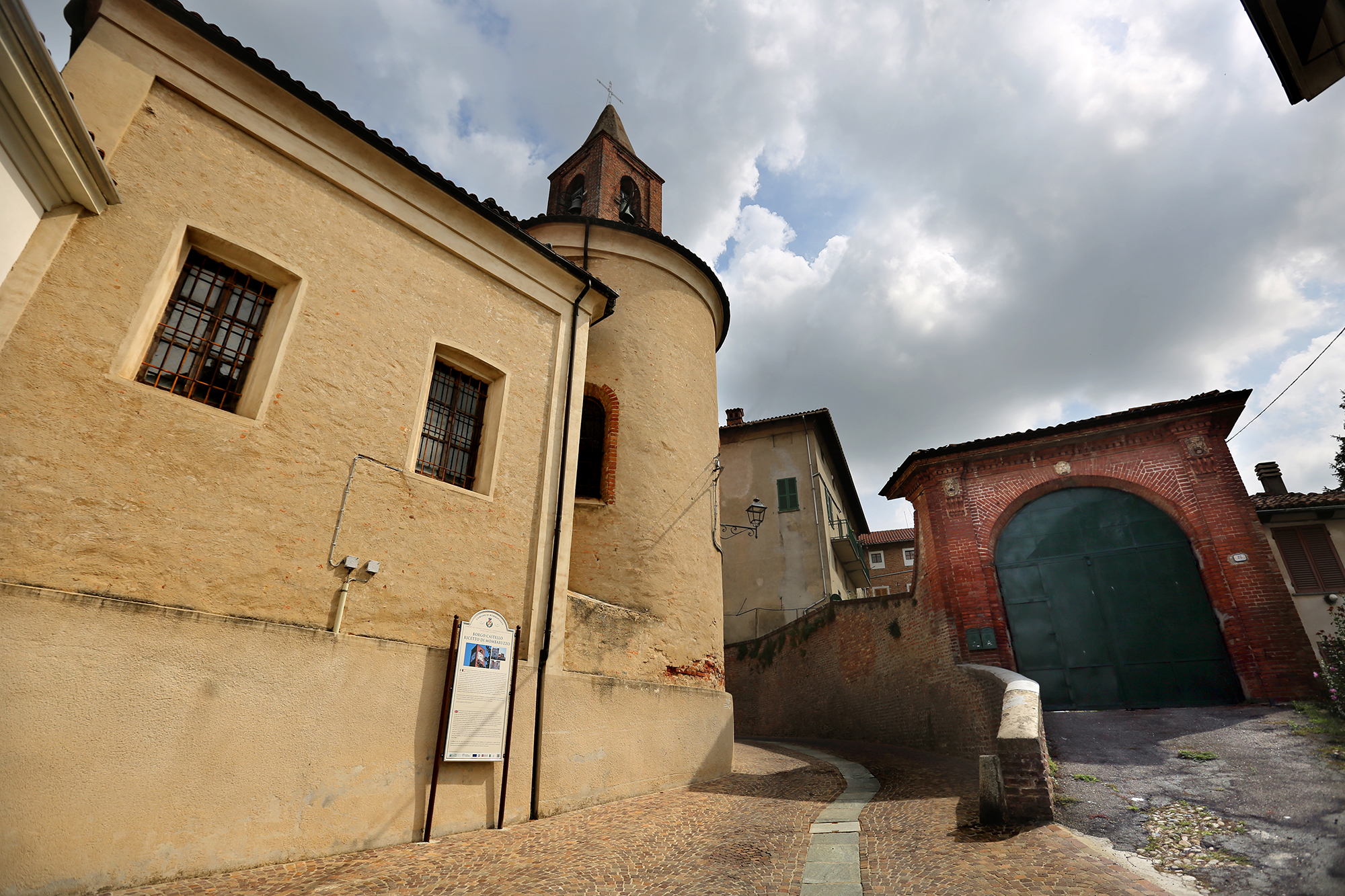
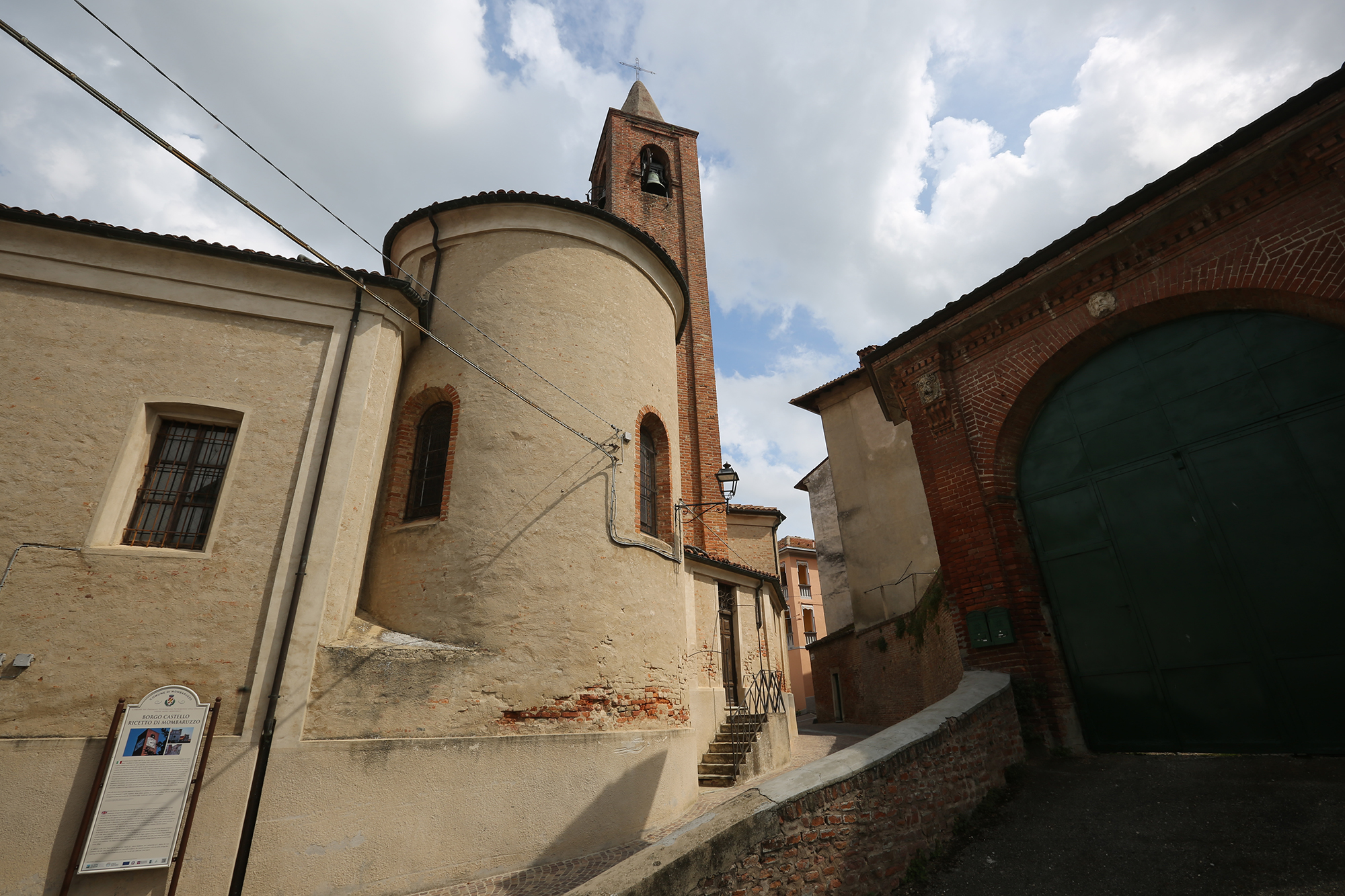
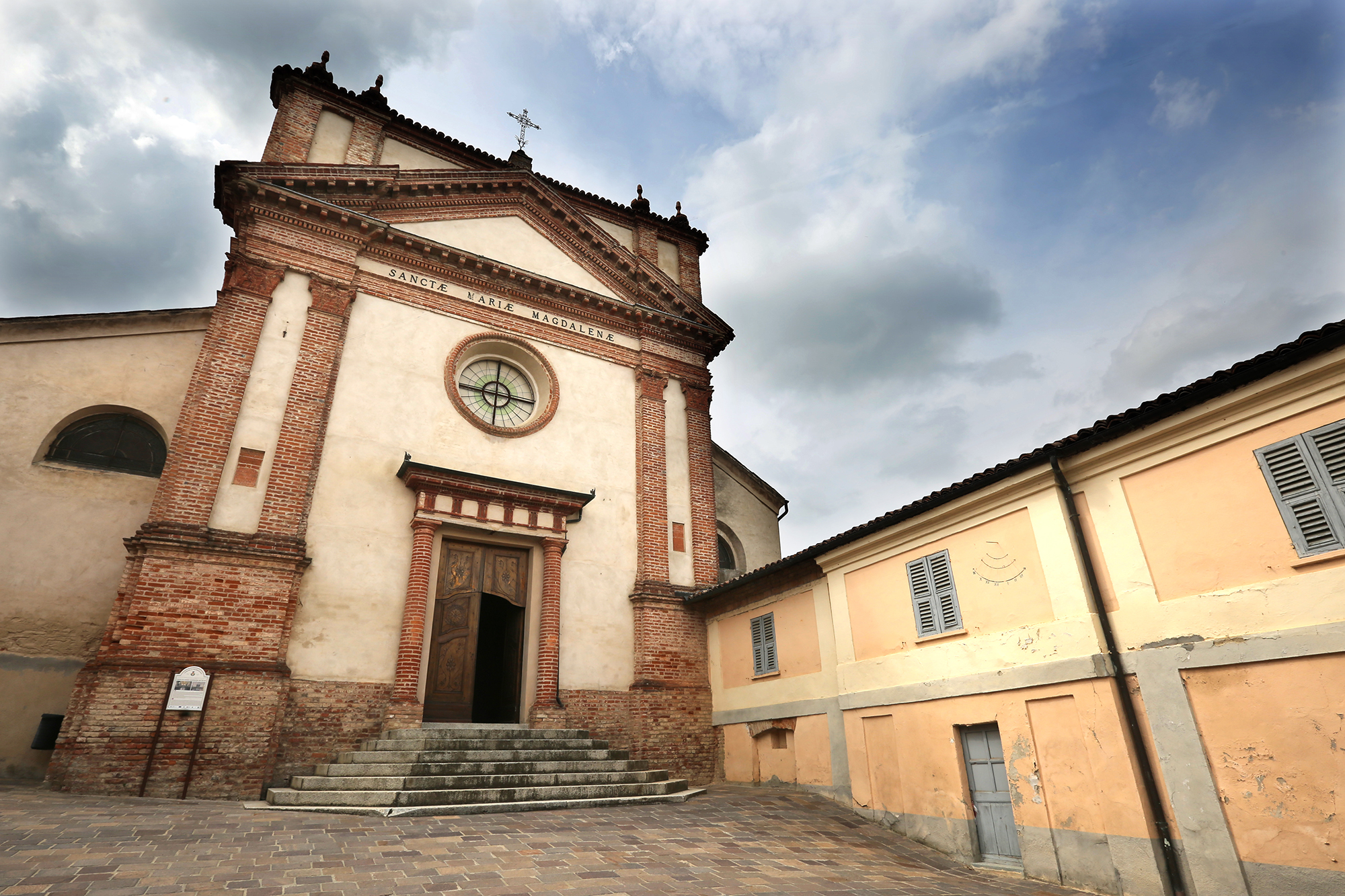
The parish church, dedicated to Saint Mary Magdalene, is located in the piazza of the ricetto from the 14th century. Originally Romanesque, it was built with a single nave, to which two more were added in later times. Worthy of careful observation are the palaces, such as Casa Ferraris, with frescoes and internal gardens, and Casa de Chiesa, belonging to a powerful noble family.
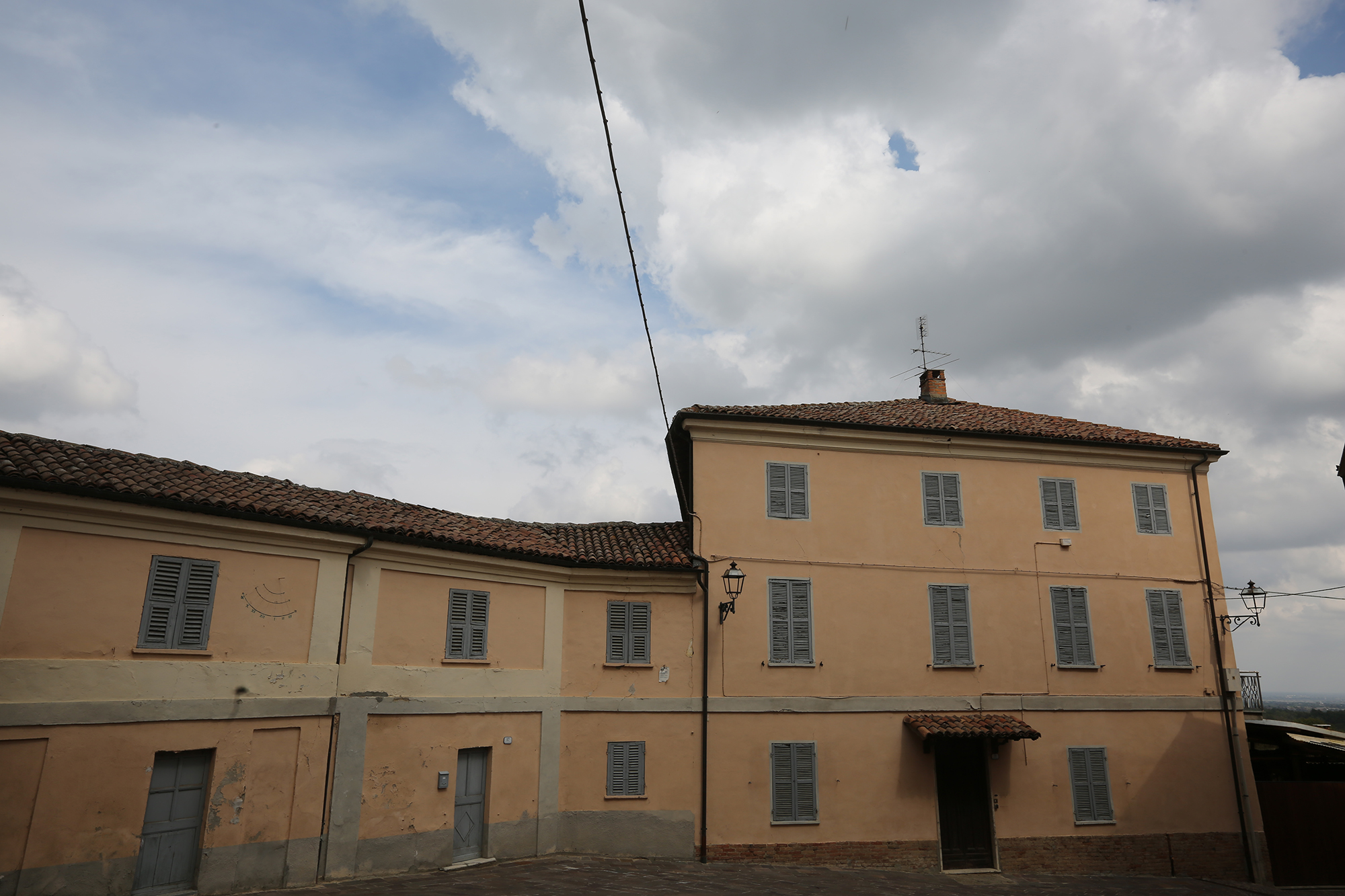
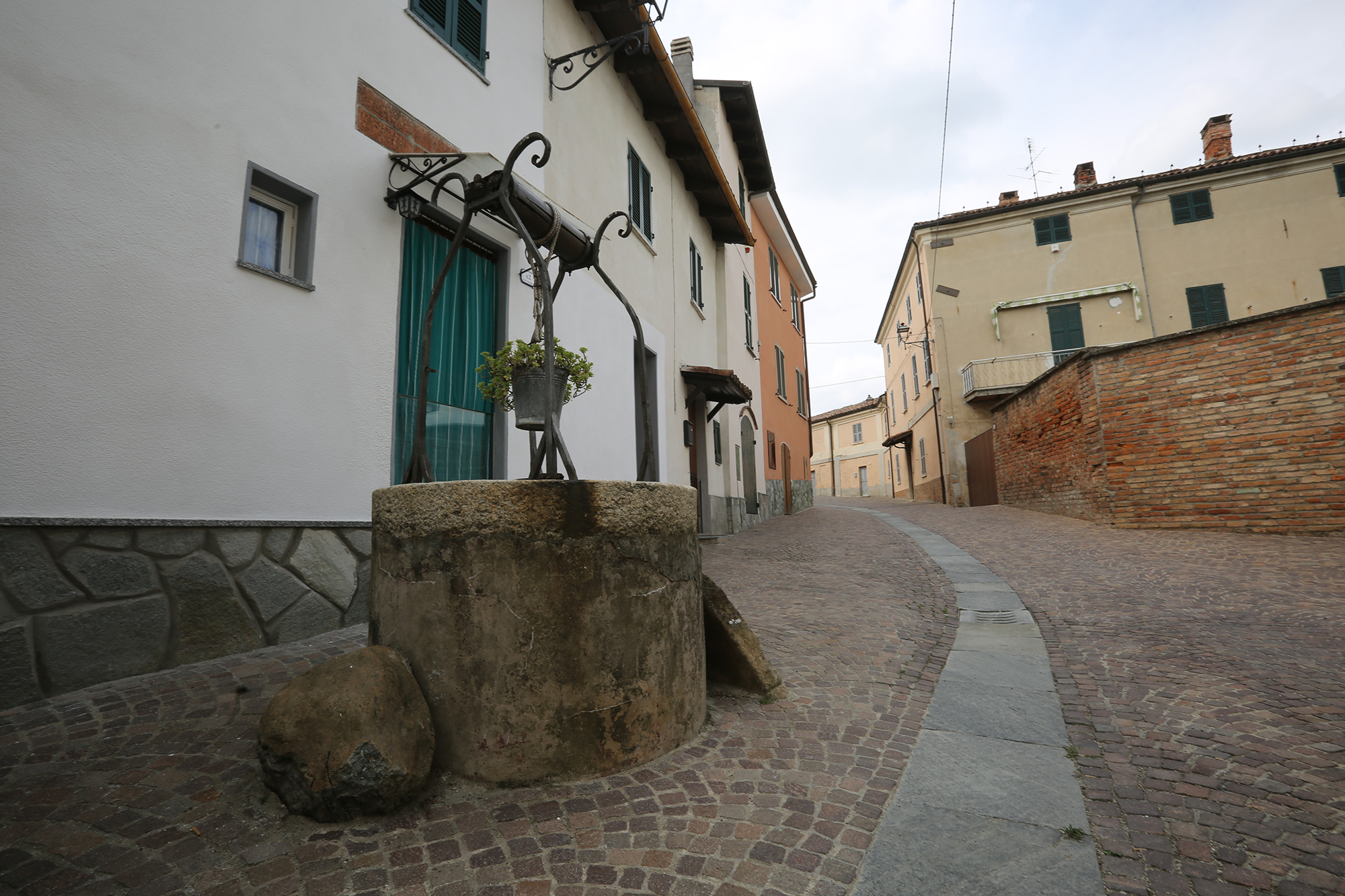
In addition to an ancient well and the medieval gates granting access to the fortified village, the 17th-century Palazzo di Negro Pallavicini stands out. It was commissioned in the Genoese style by Lelia Di Negro, Marchioness of Mombaruzzo and granddaughter of the Doge of Genoa of the time.
Finally, there is Villa Prato, notable for its octagonal turret over six meters high. Other religious buildings, including churches and convents, are located in the village and its surrounding territory, often hidden in the woods, worth dedicating time to visit.
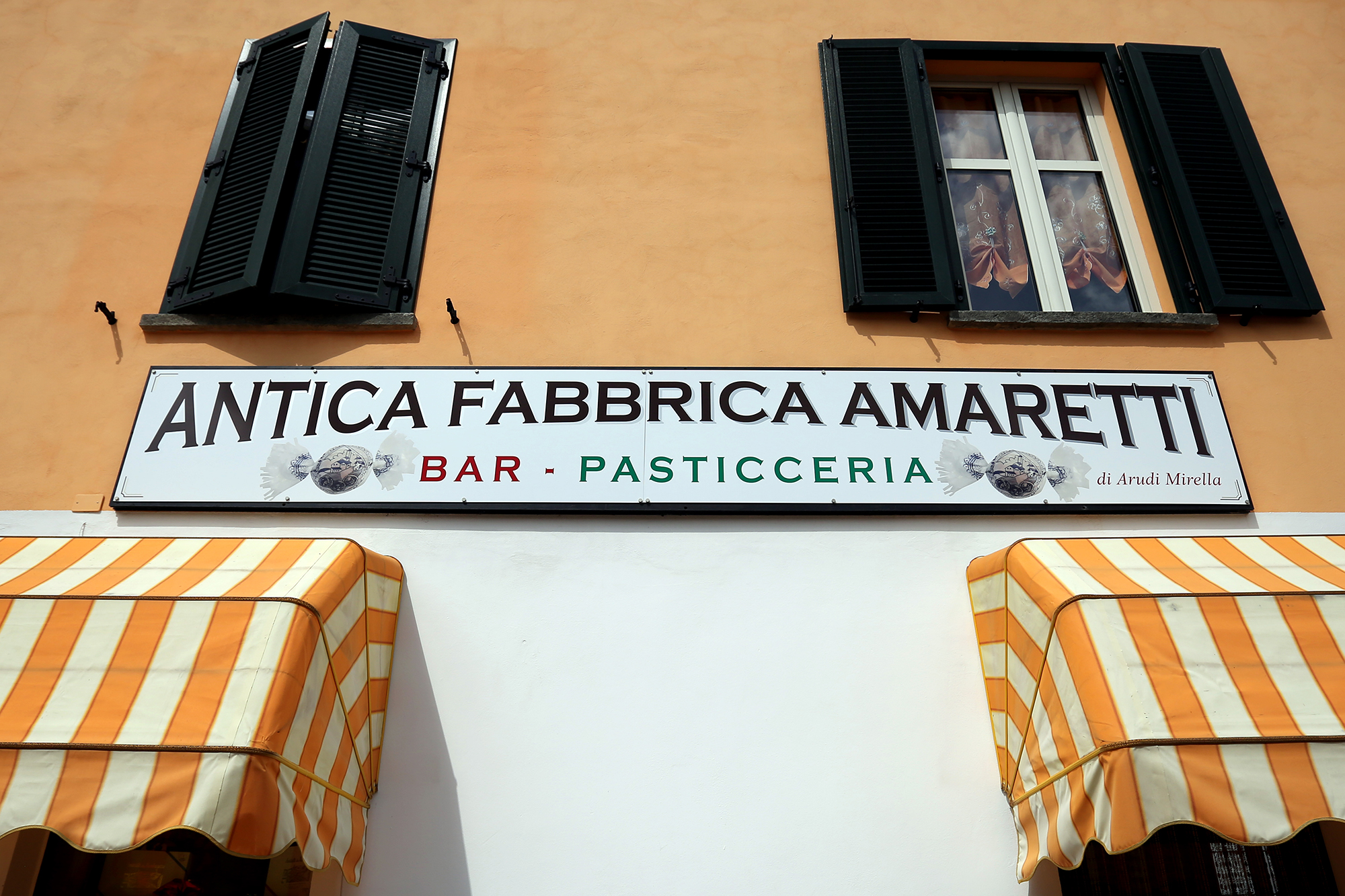
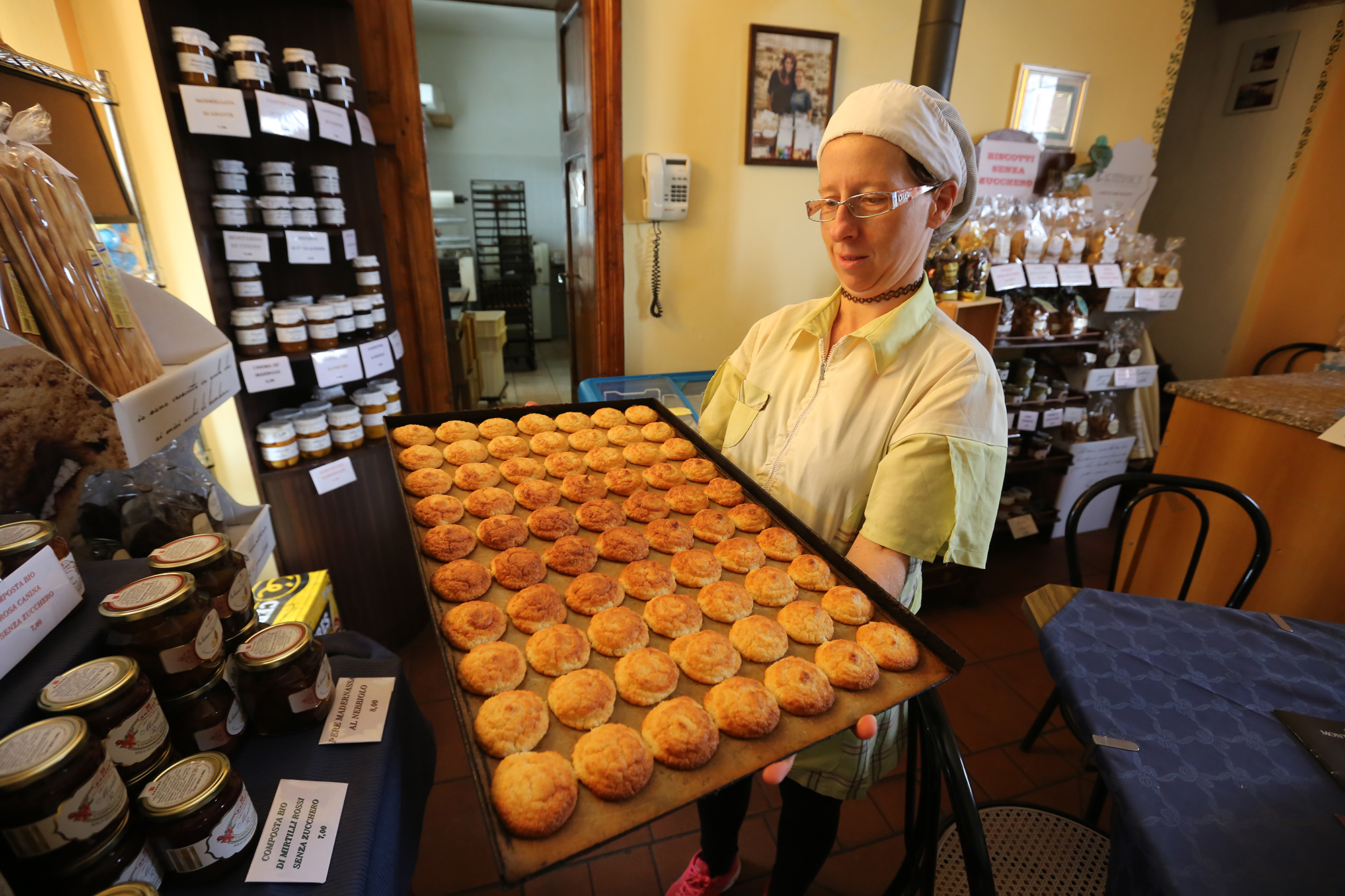
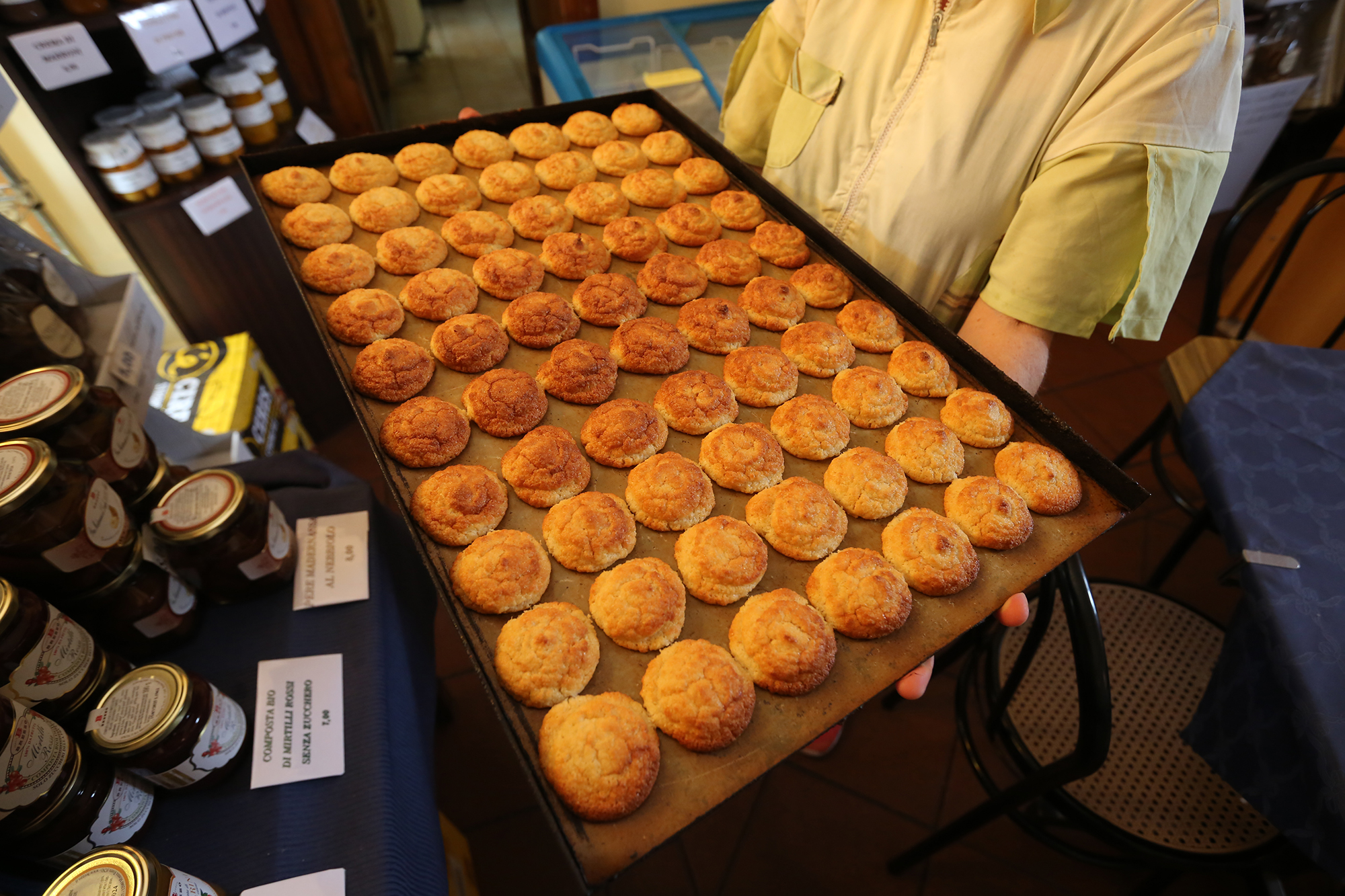
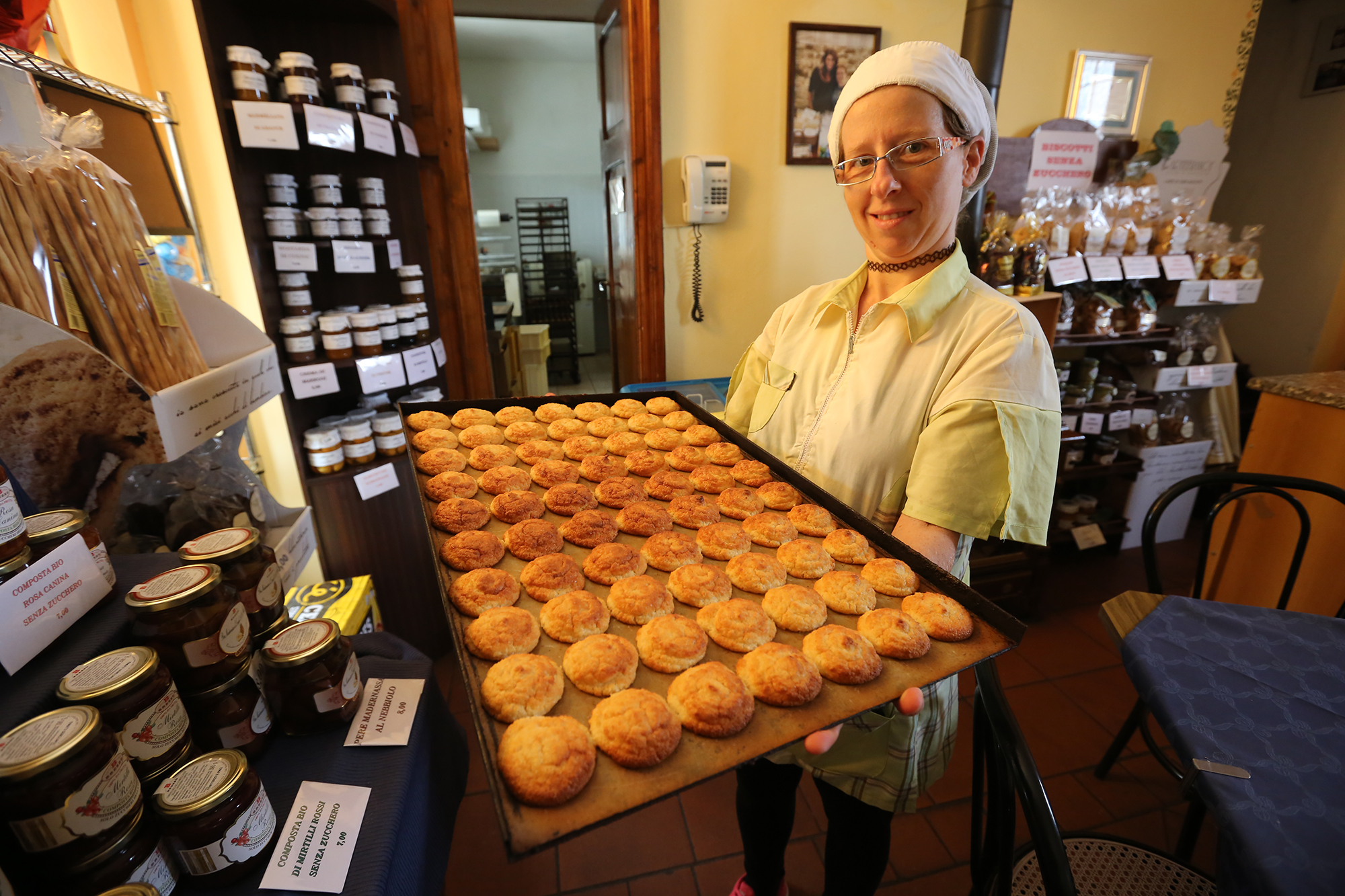
Time should also be devoted to tasting one of the Monferrato’s most important confectionery specialties, the famous Amaretti di Mombaruzzo. Their history dates back to the late 1700s, when Francesco Moribondo, together with his wife, a Sicilian pastry chef from the royal household, opened a small pastry shop in Mombaruzzo. They baked the typical sweets made from almonds, sugar, egg whites, and with the creative addition of a small percentage of armelline, the inner kernels of apricots or peaches, which gave the sweets a unique aroma and slightly bitter taste. The name is said to come from the exclamation of the first customers after tasting them: “oh, i son bon… i son un poc amaret” (“oh, they’re good… a bit bitter”).
Since then, these sweets have received awards and recognition, and even today they are produced in the village following the original recipe and meticulous handcrafting.
It was always under the dominion of the lords of Monferrato, sharing all the historical events of the region, which included periods of great prosperity and periods of severe poverty. Mombaruzzo controlled the road connecting the Ligurian ports of Savona and Voltri to the inland territories, eventually reaching Northern Europe and Flanders. This made Mombaruzzo a privileged location. However, in 1528, Genoa subjugated Savona, turning it into the preferred port and almost completely cutting off the flow of goods along the old routes, which led the village into decline. A measure of tranquility and prosperity returned only under the House of Savoy.
The village clearly displays its medieval and Renaissance origins, with elegant, well-maintained palaces, ancient and more recent churches, and its Civic Tower, which rises high and imposingly over the historic center.
Built around the mid-13th century for military purposes, with brick walls nearly one and a half meters thick, it was used as a watchtower equipped with a bell. In the 1400s, it became a prison, and now, having lost its original function, it serves solely as a clock tower.
Among the religious buildings of particular interest is the Church of Saint Anthony Abbot from the 15th century. It stands on the ruins of a pre-existing religious structure and is now a national monument. The church underwent multiple modifications throughout the 18th and 19th centuries and exhibits a late Gothic style. The interior is rich in frescoes from various periods and houses an impressive organ built in 1791.
The parish church, dedicated to Saint Mary Magdalene, is located in the piazza of the ricetto from the 14th century. Originally Romanesque, it was built with a single nave, to which two more were added in later times. Worthy of careful observation are the palaces, such as Casa Ferraris, with frescoes and internal gardens, and Casa de Chiesa, belonging to a powerful noble family.
In addition to an ancient well and the medieval gates granting access to the fortified village, the 17th-century Palazzo di Negro Pallavicini stands out. It was commissioned in the Genoese style by Lelia Di Negro, Marchioness of Mombaruzzo and granddaughter of the Doge of Genoa of the time.
Finally, there is Villa Prato, notable for its octagonal turret over six meters high. Other religious buildings, including churches and convents, are located in the village and its surrounding territory, often hidden in the woods, worth dedicating time to visit.
Time should also be devoted to tasting one of the Monferrato’s most important confectionery specialties, the famous Amaretti di Mombaruzzo. Their history dates back to the late 1700s, when Francesco Moribondo, together with his wife, a Sicilian pastry chef from the royal household, opened a small pastry shop in Mombaruzzo. They baked the typical sweets made from almonds, sugar, egg whites, and with the creative addition of a small percentage of armelline, the inner kernels of apricots or peaches, which gave the sweets a unique aroma and slightly bitter taste. The name is said to come from the exclamation of the first customers after tasting them: “oh, i son bon… i son un poc amaret” (“oh, they’re good… a bit bitter”).
Since then, these sweets have received awards and recognition, and even today they are produced in the village following the original recipe and meticulous handcrafting.