Perched atop a hill in Upper Monferrato, overlooking the valley of the Piota stream—which flows from the Ligurian Apennines into the Orba—lies the village of Lerma, home to just over 850 residents.
The municipality’s territory is part of the Capanne di Marcarolo Regional Park. Given its commanding position along the ancient route connecting Liguria to the Po Valley, Lerma has very old origins, with evidence of Roman settlements. Medieval records documenting the village date back to the second half of the 12th century. The original population lived in the valley and worked as gold prospectors, but they were drawn into conflicts with the army of Guglielmo V of Monferrato. To avoid destruction, they fled to the hill, founding a fortified village at the site of the current castle, thus creating a settlement with an enviable strategic position. Lerma, along with its fortifications, is first mentioned in historical documents in 1184.
Its proximity to Liguria meant that for centuries the area was ruled by noble Genoese families, including the Spinola family, until the 17th century. History enthusiasts may wish to research online the events known as “the War of Lerma.”
In 1708, following the Treaty of Utrecht, Lerma—like many other Monferrato municipalities—became part of the possessions of the House of Savoy.
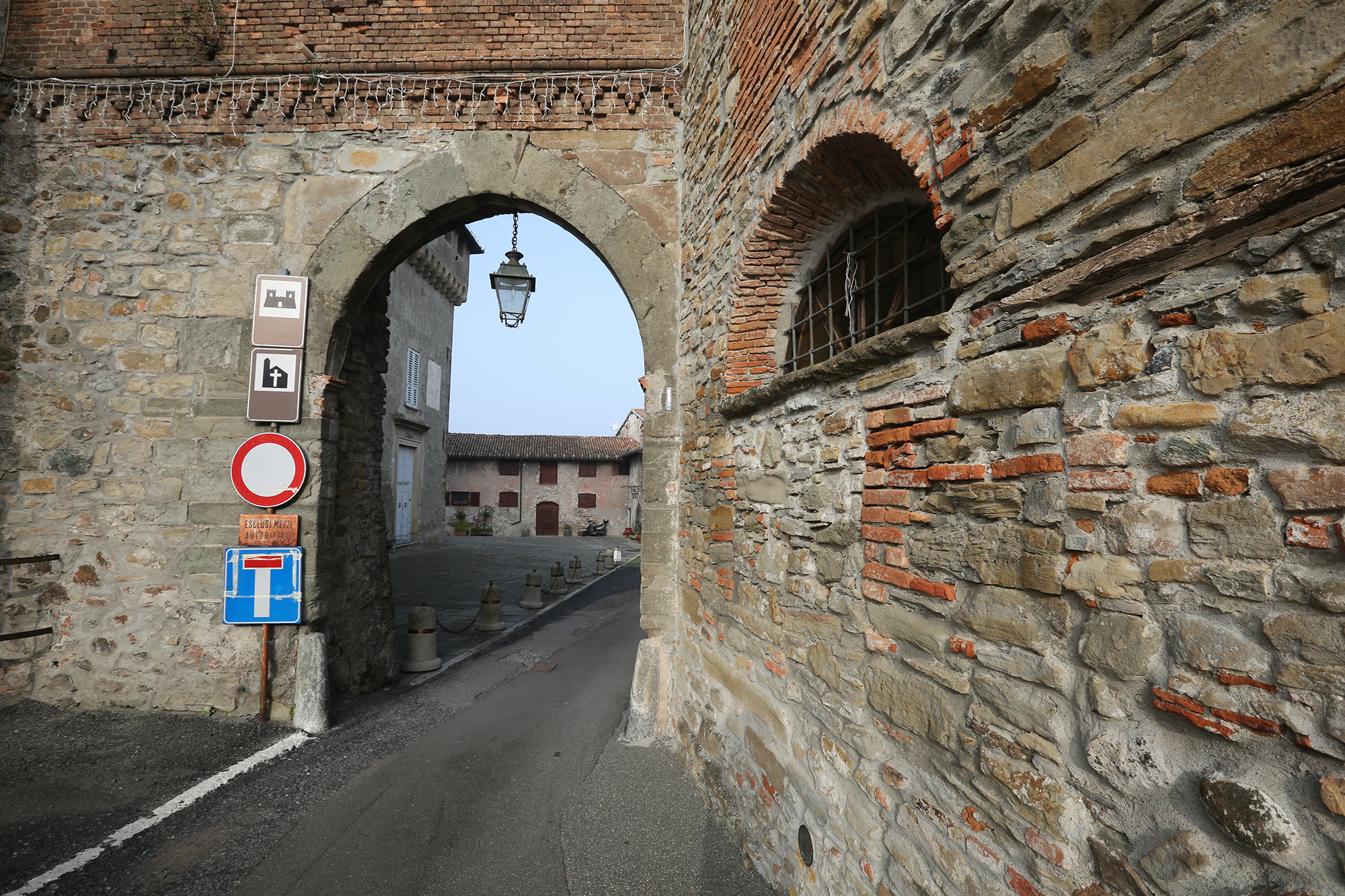
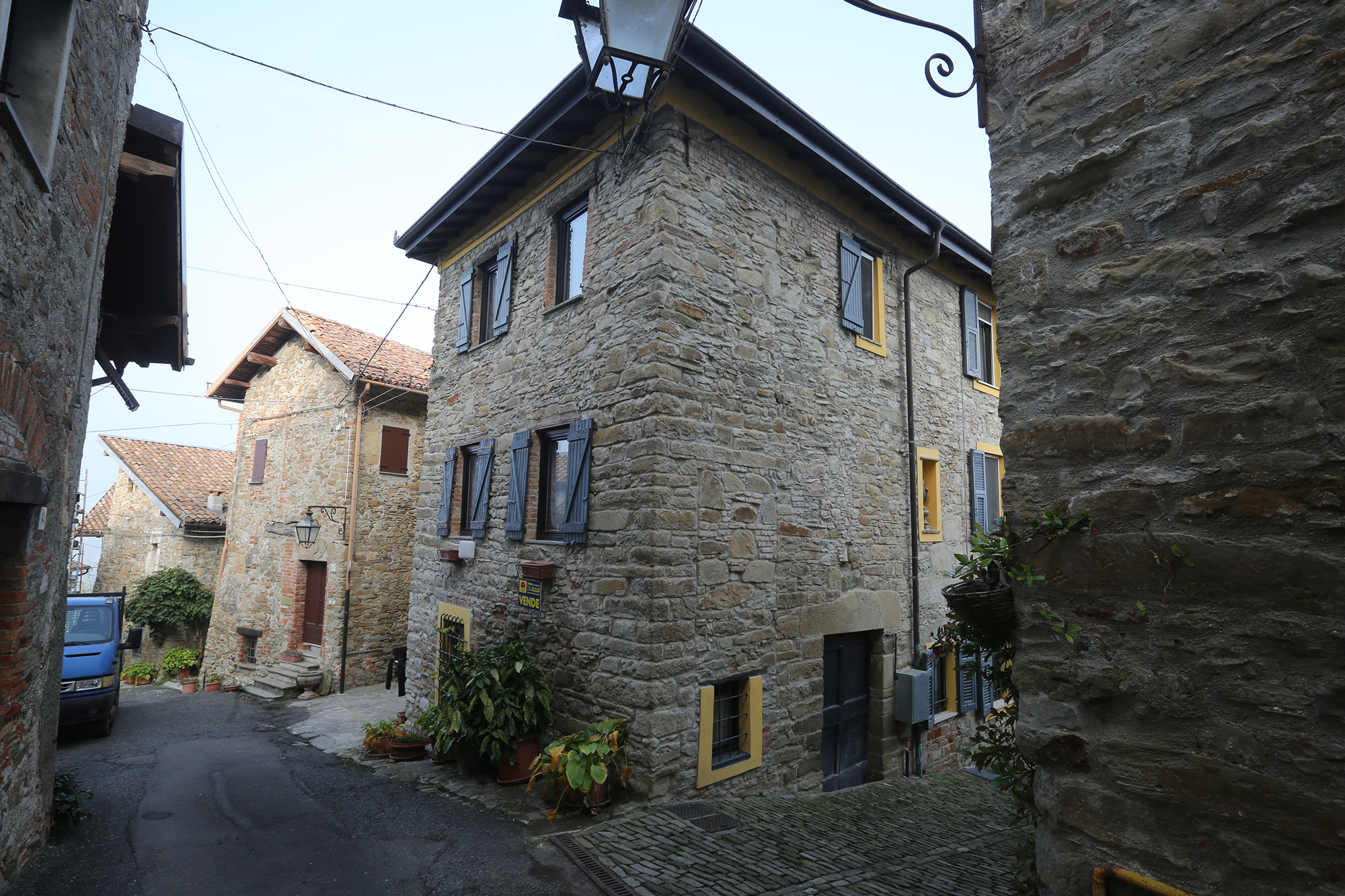
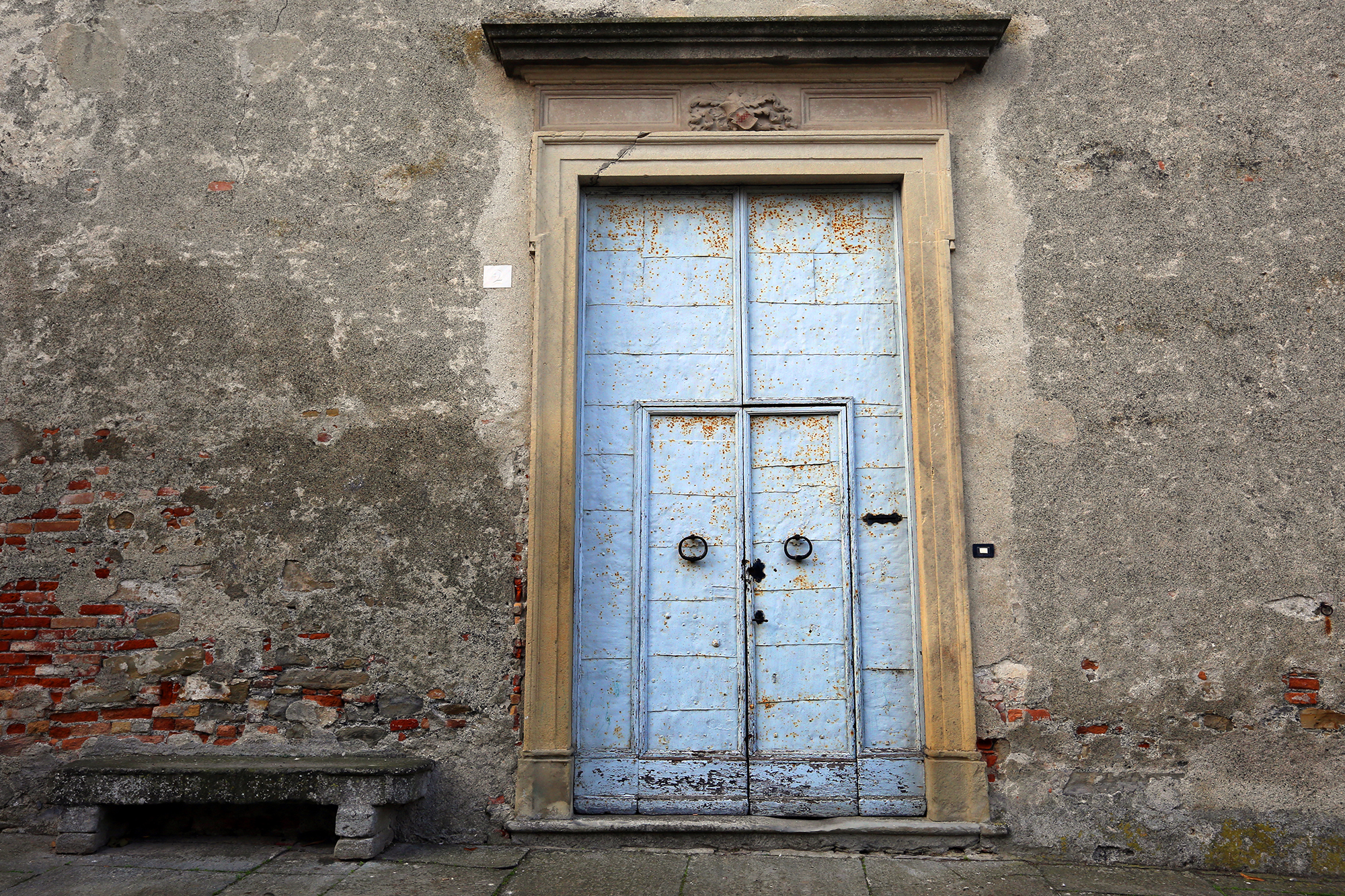
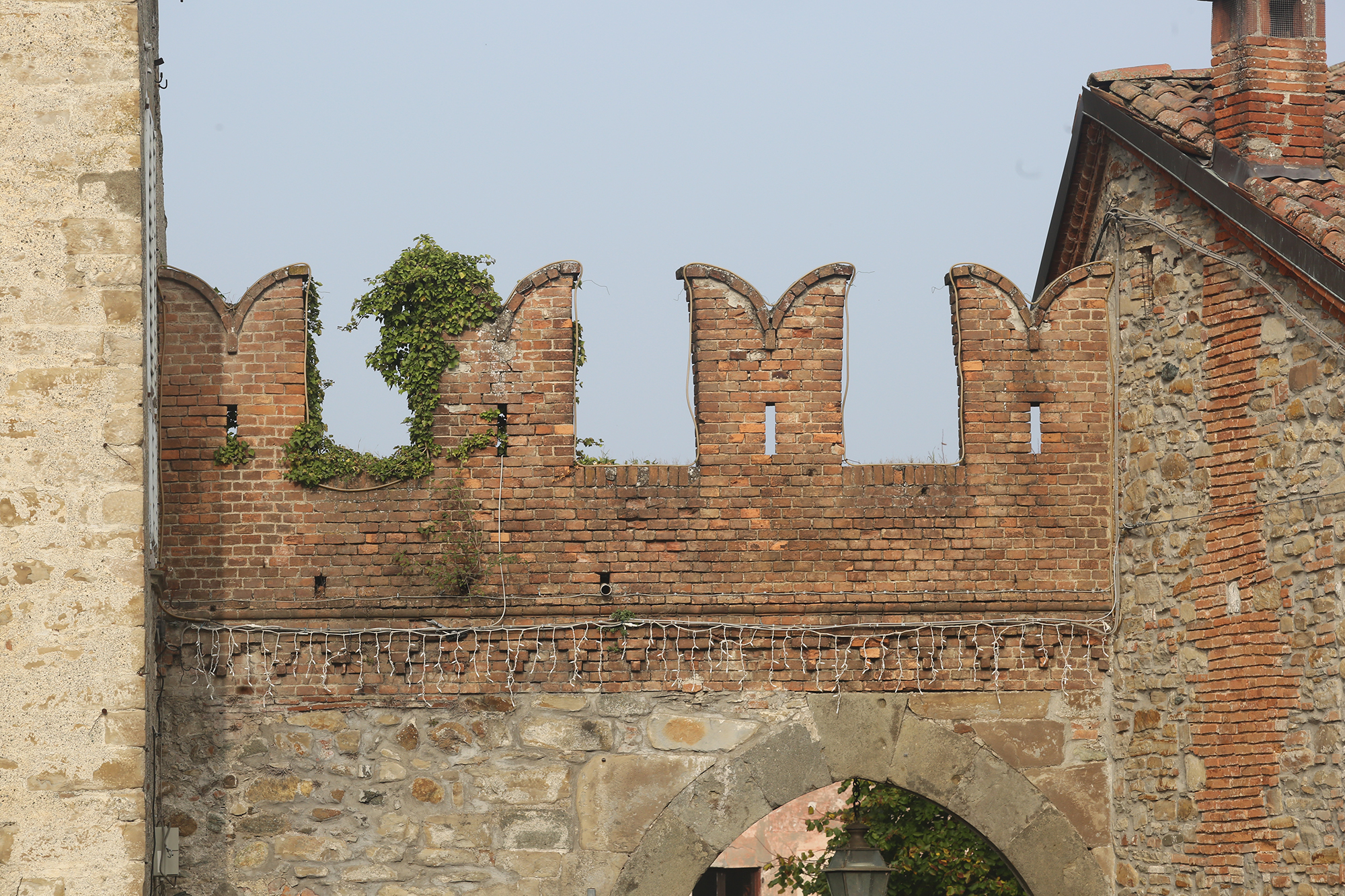
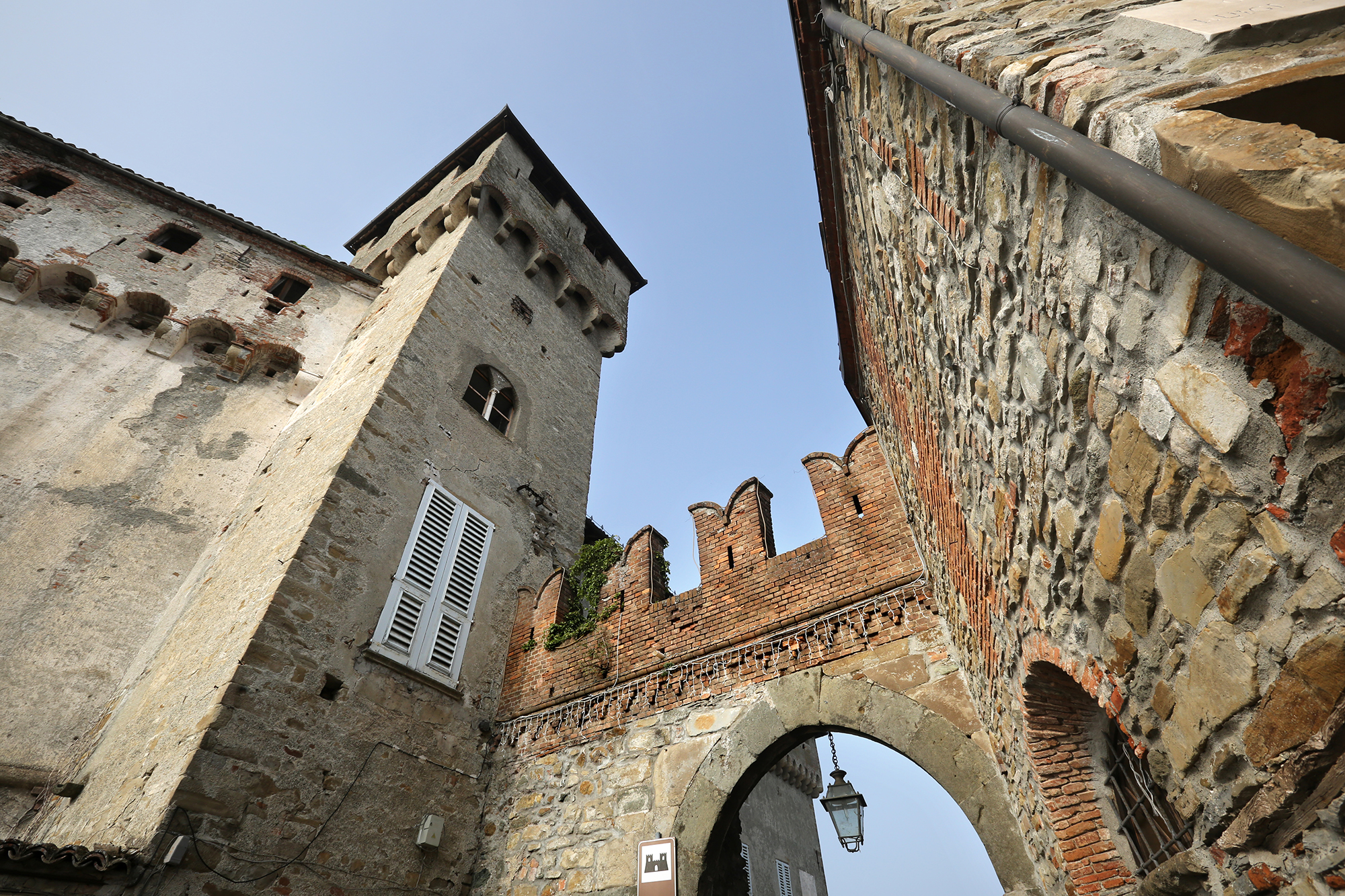
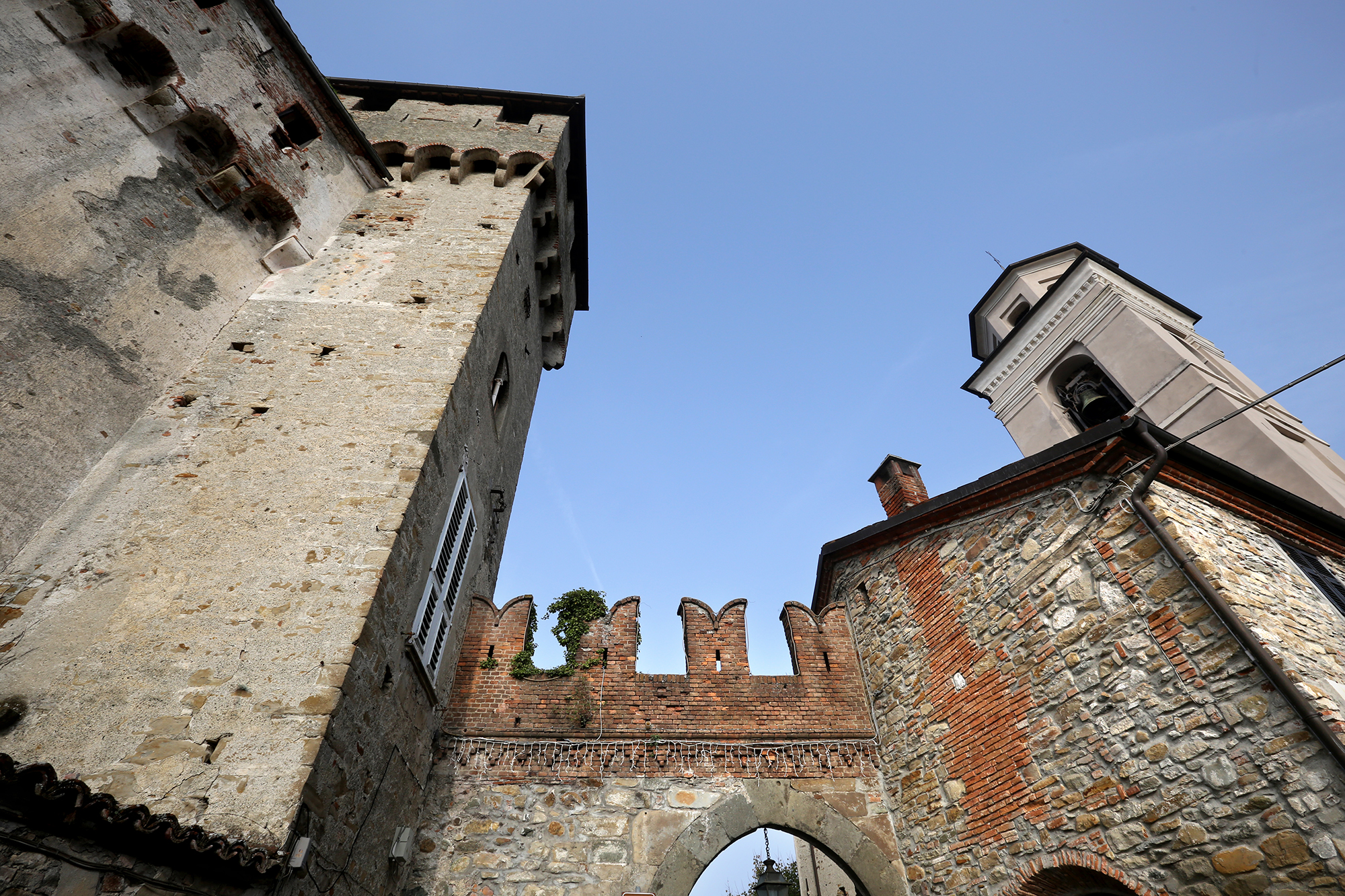
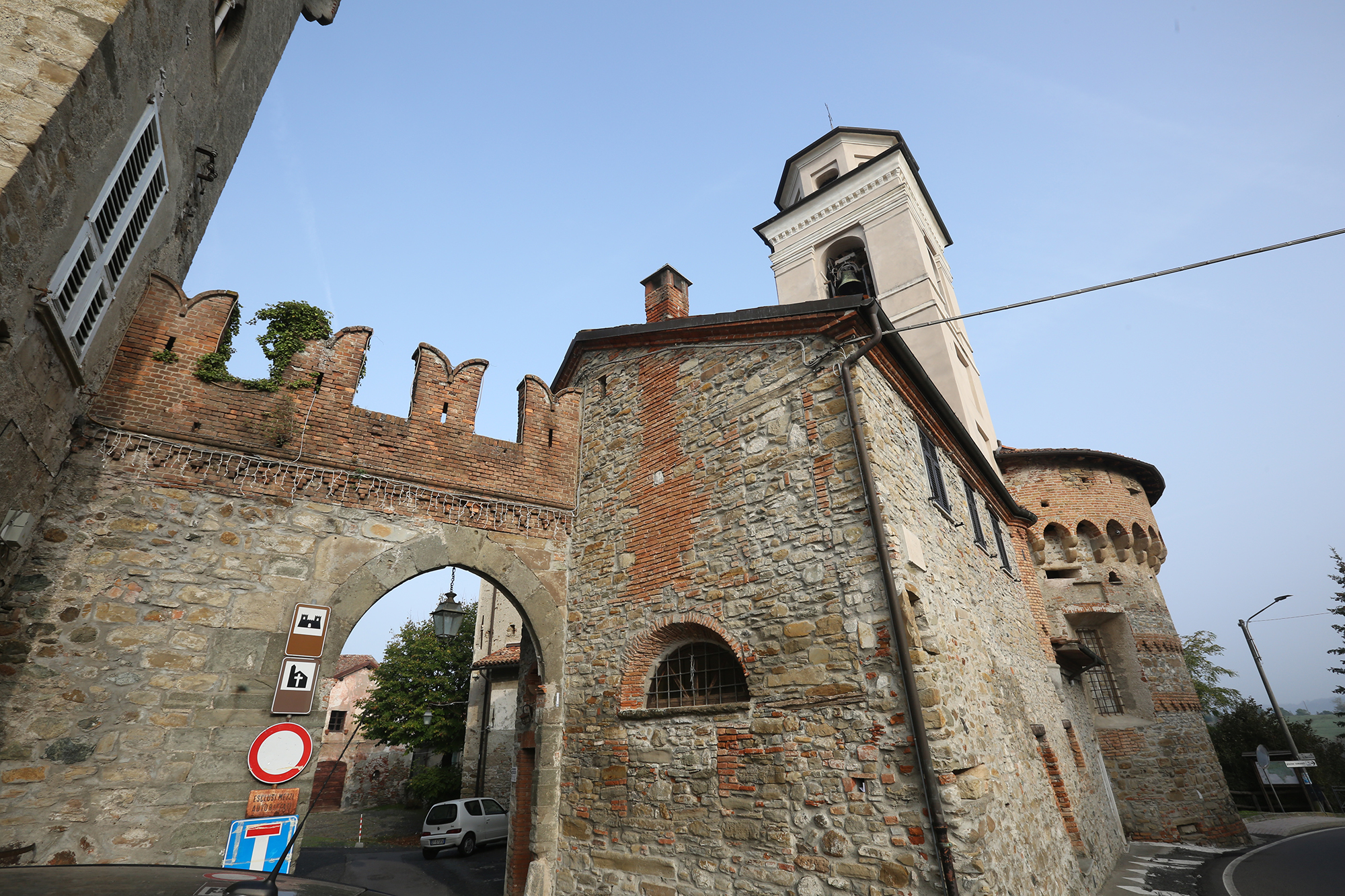
The historic village developed around the castle, within the walls, in the ricetto—accessible through an arched gate, formerly crossed by a drawbridge. The ricetto still preserves buildings from that era, with a layout featuring a main street from which perpendicular streets branch out to form small neighborhoods.
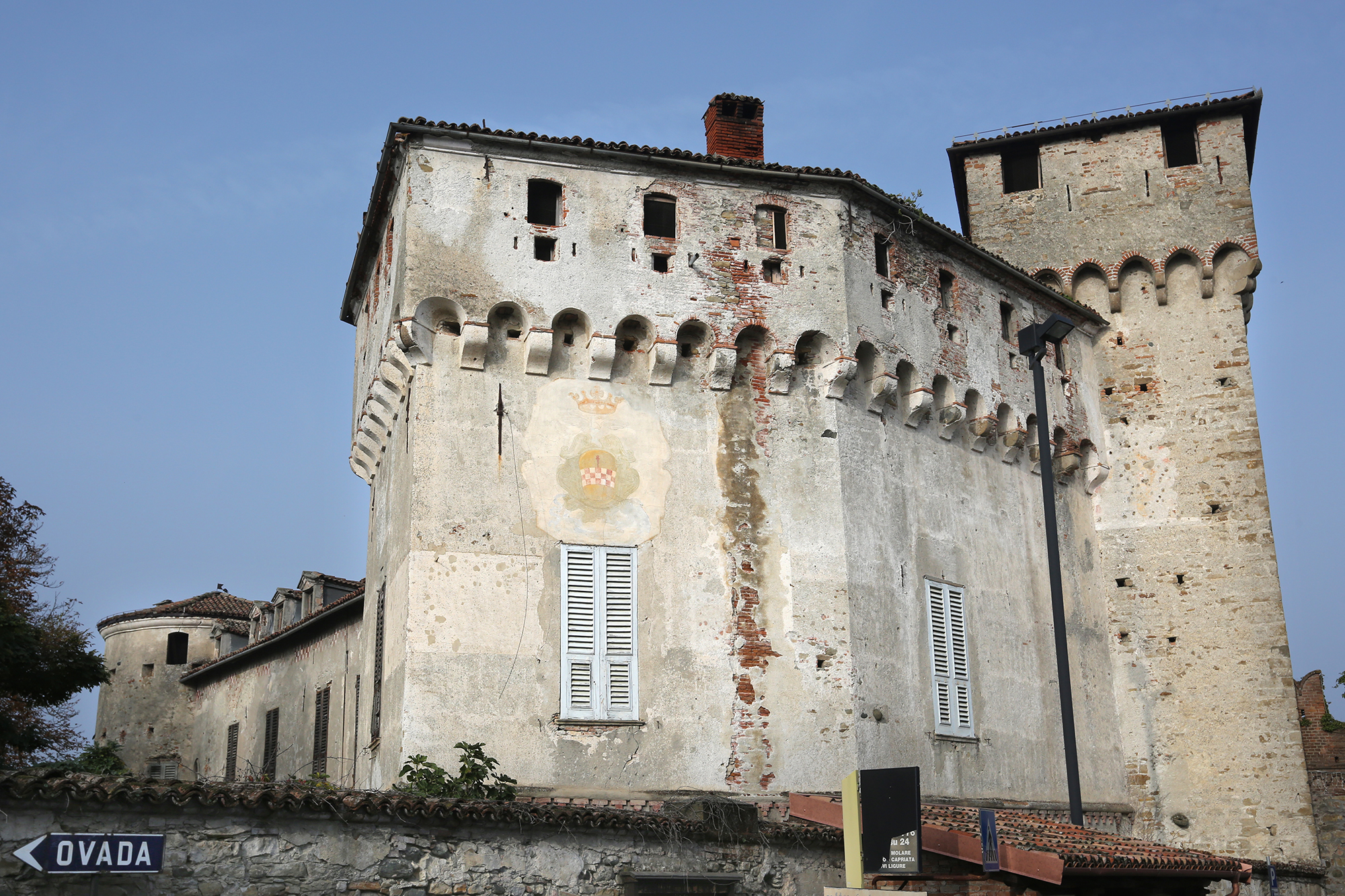
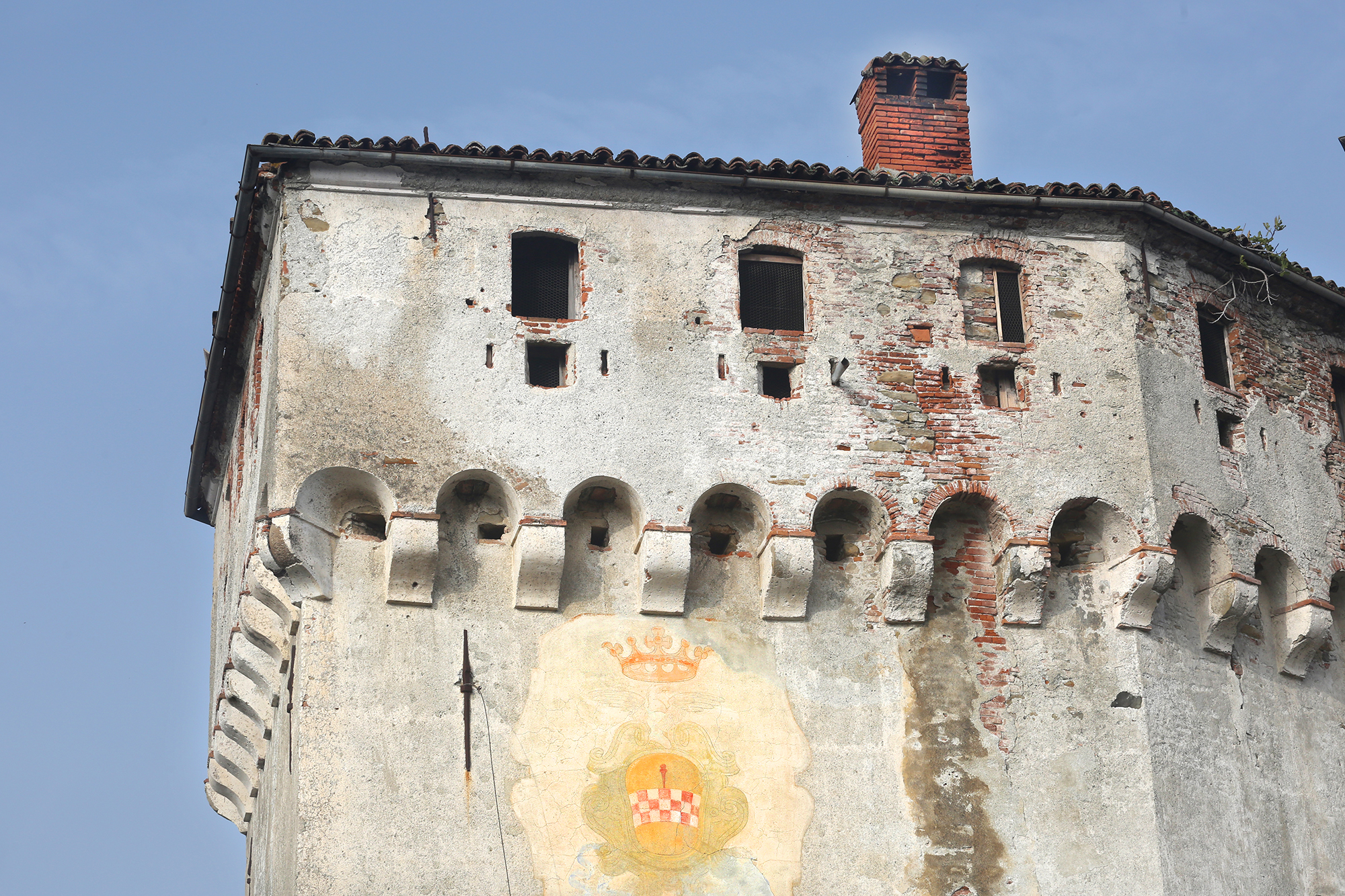
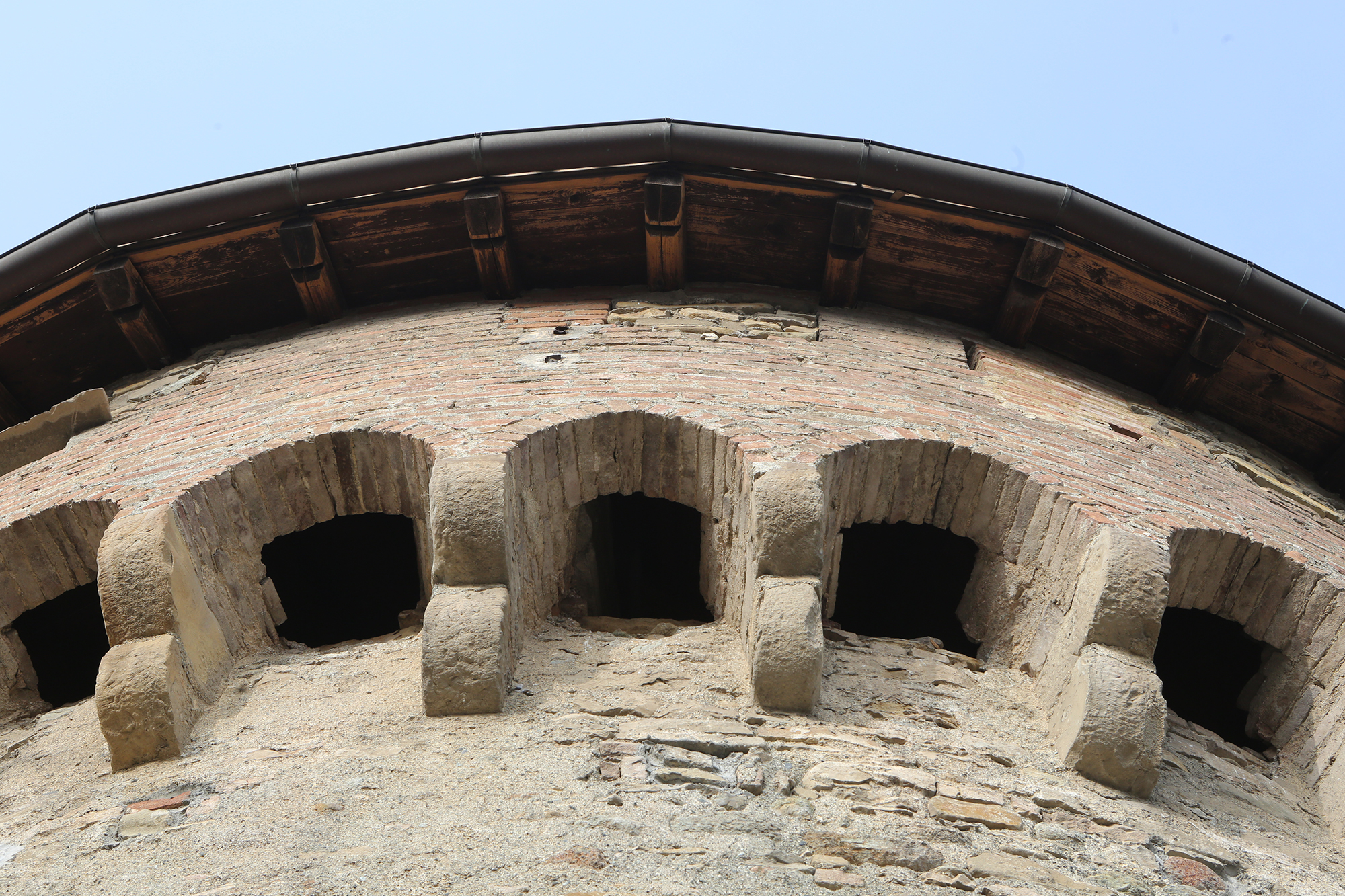
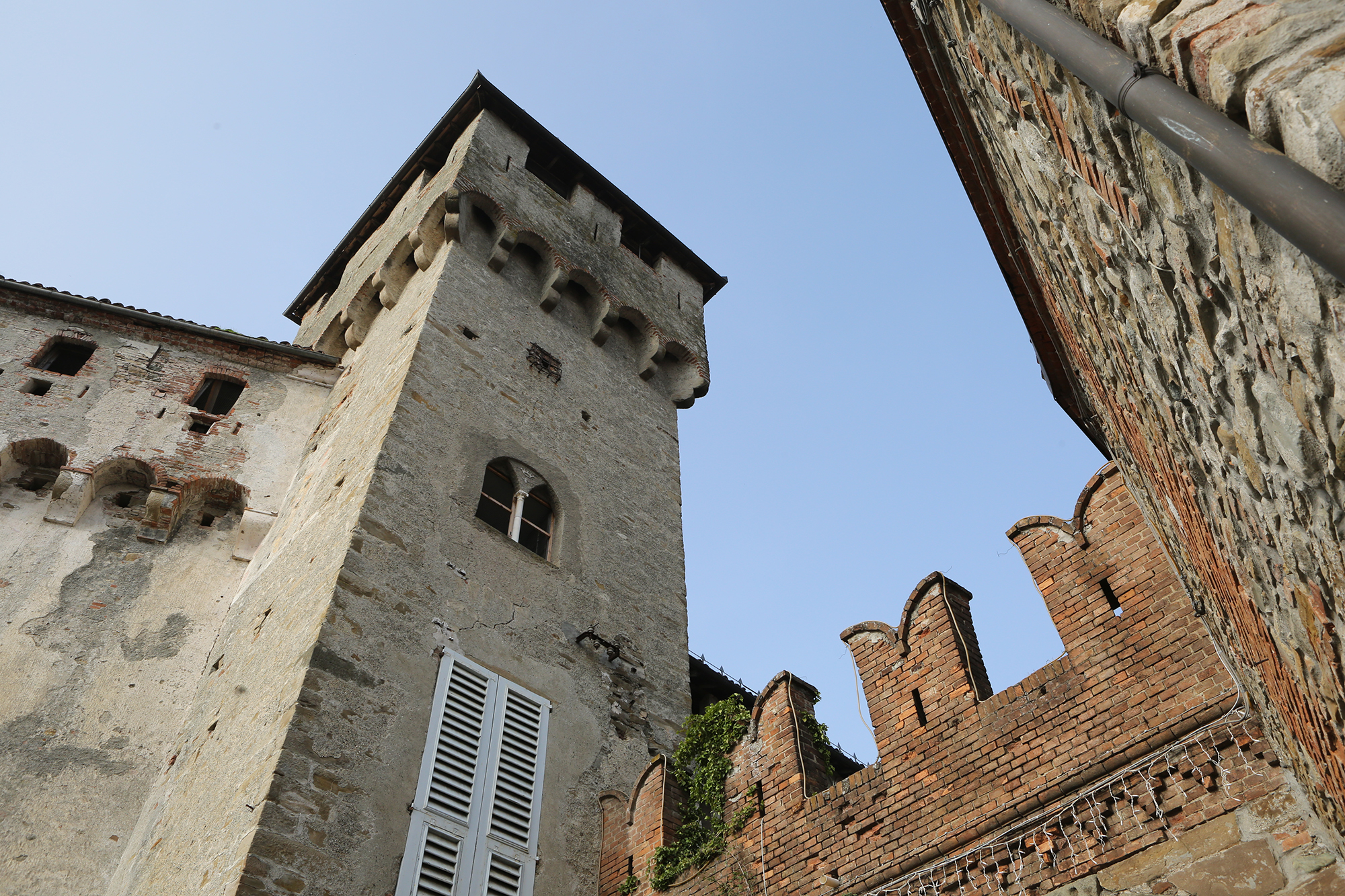
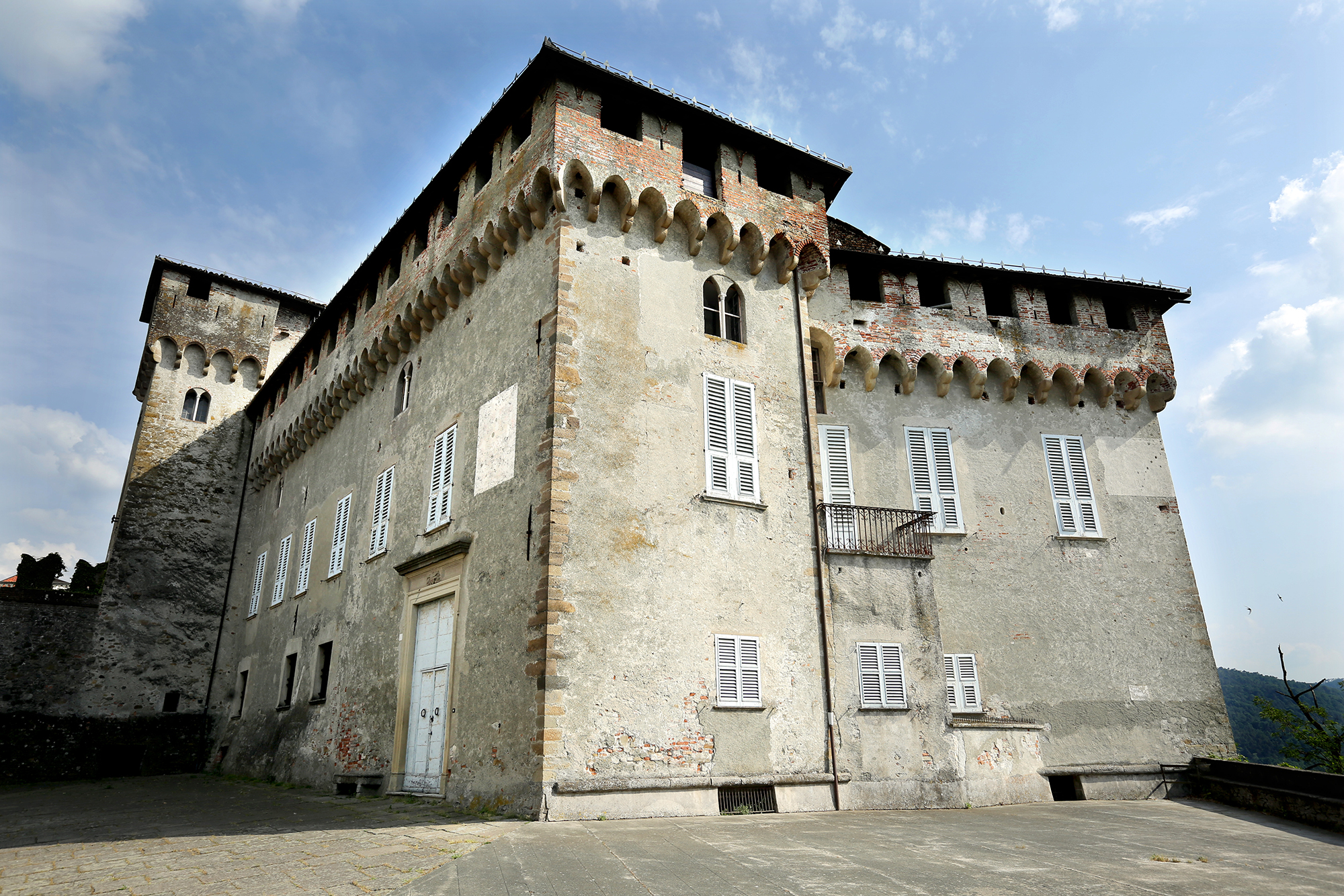
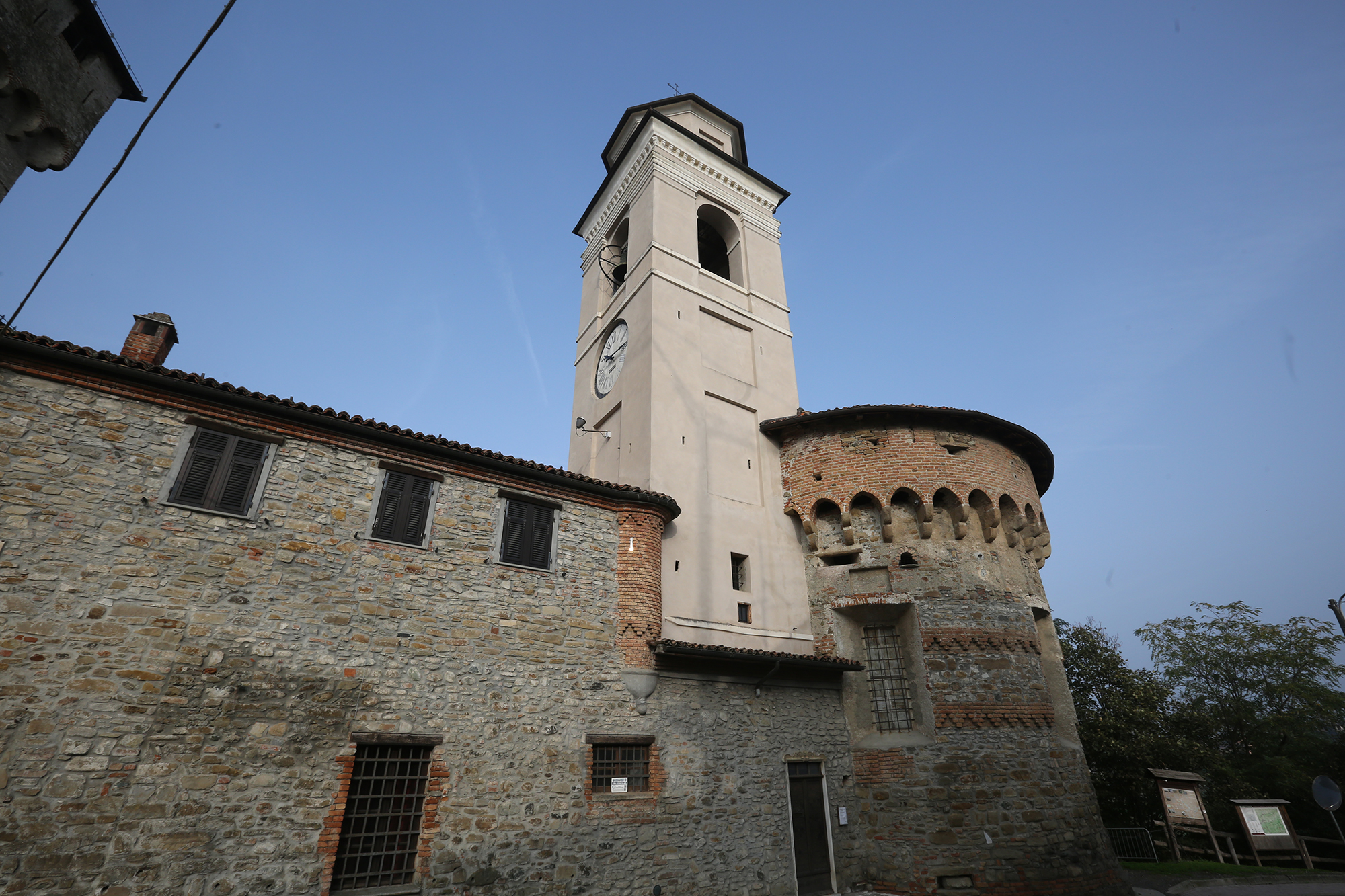
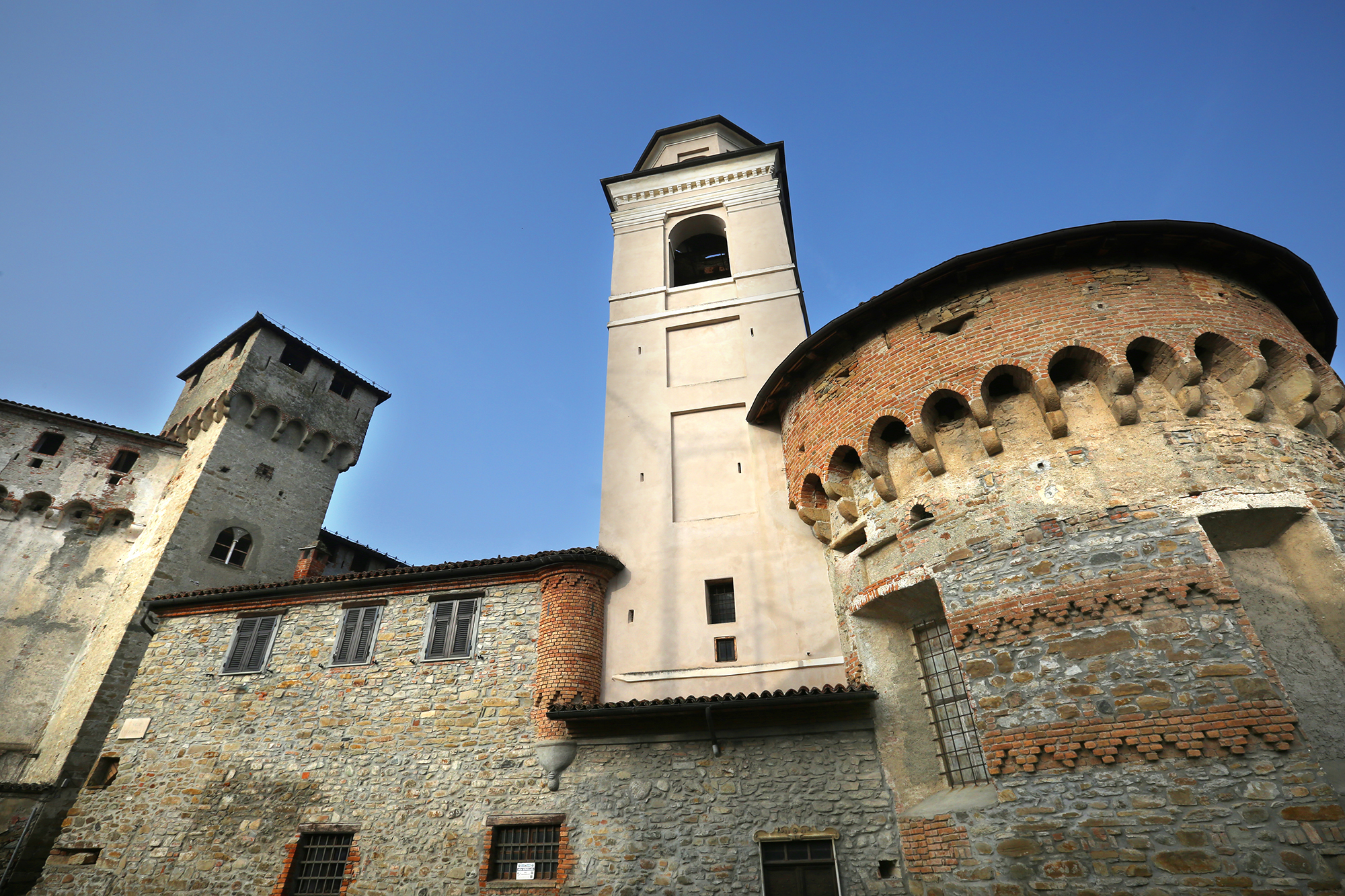
The Spinola Castle, in its current form, was built in the 15th century. It has an irregular five-sided plan, with the southern side protected by a large tower. The castle’s architecture reflects a transitional period between a defensive fortress and a noble residence. Many features are a mix of the two functions—for example, the battlements, which are almost decorative, and the bifore (twin-arched windows) beneath the windows, originally designed as defensive openings but with a more elegant, residential character.
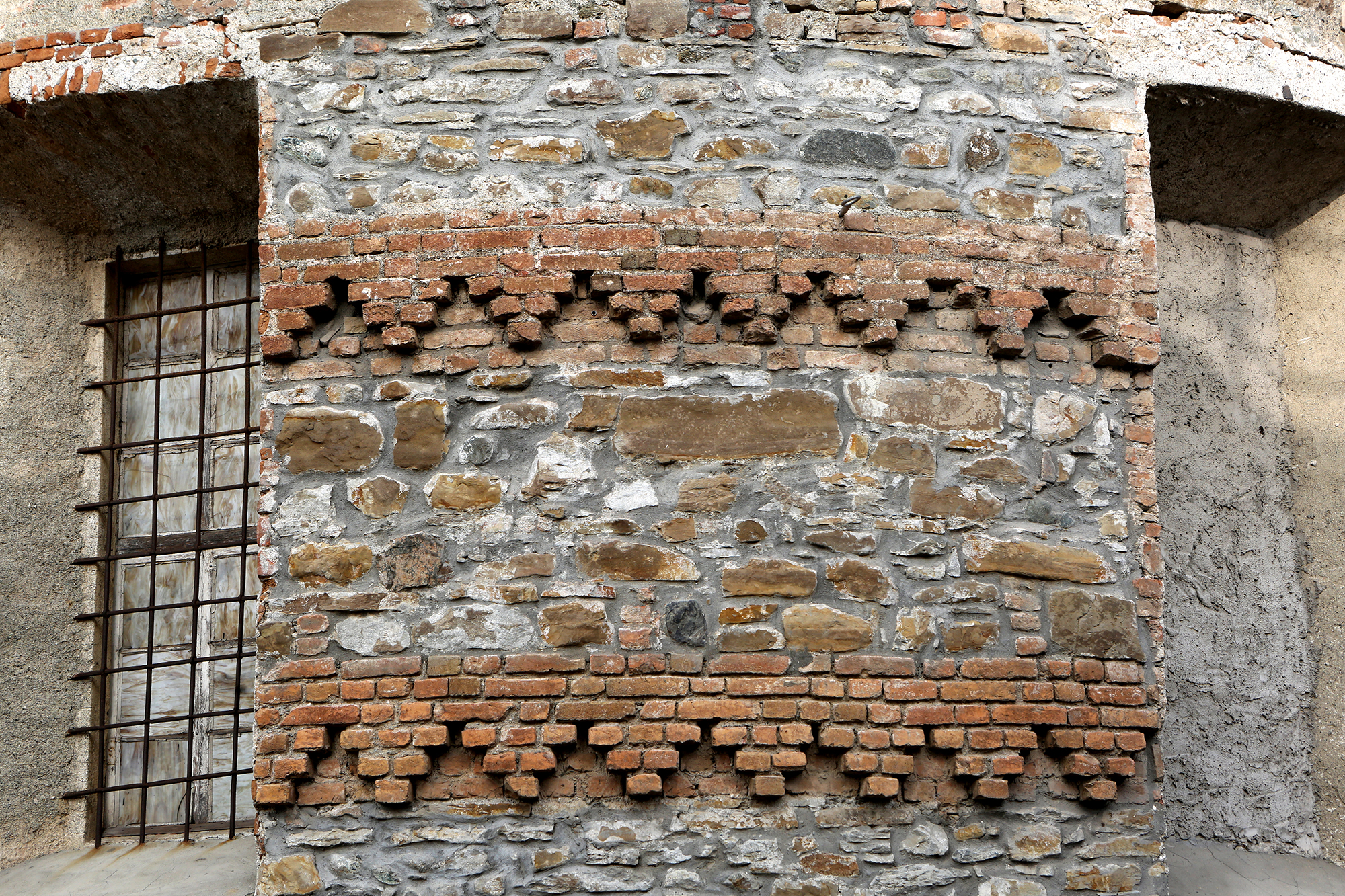
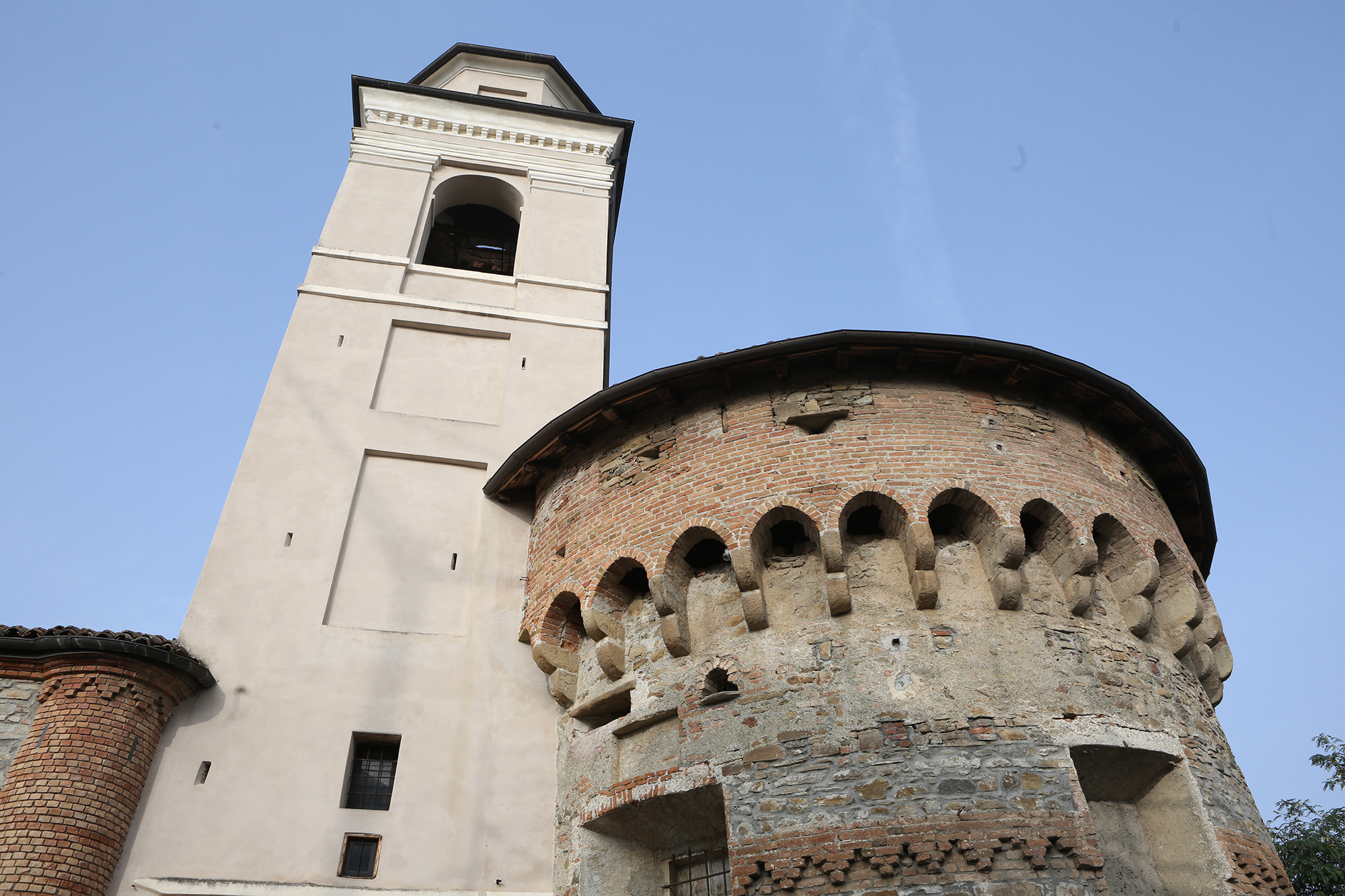
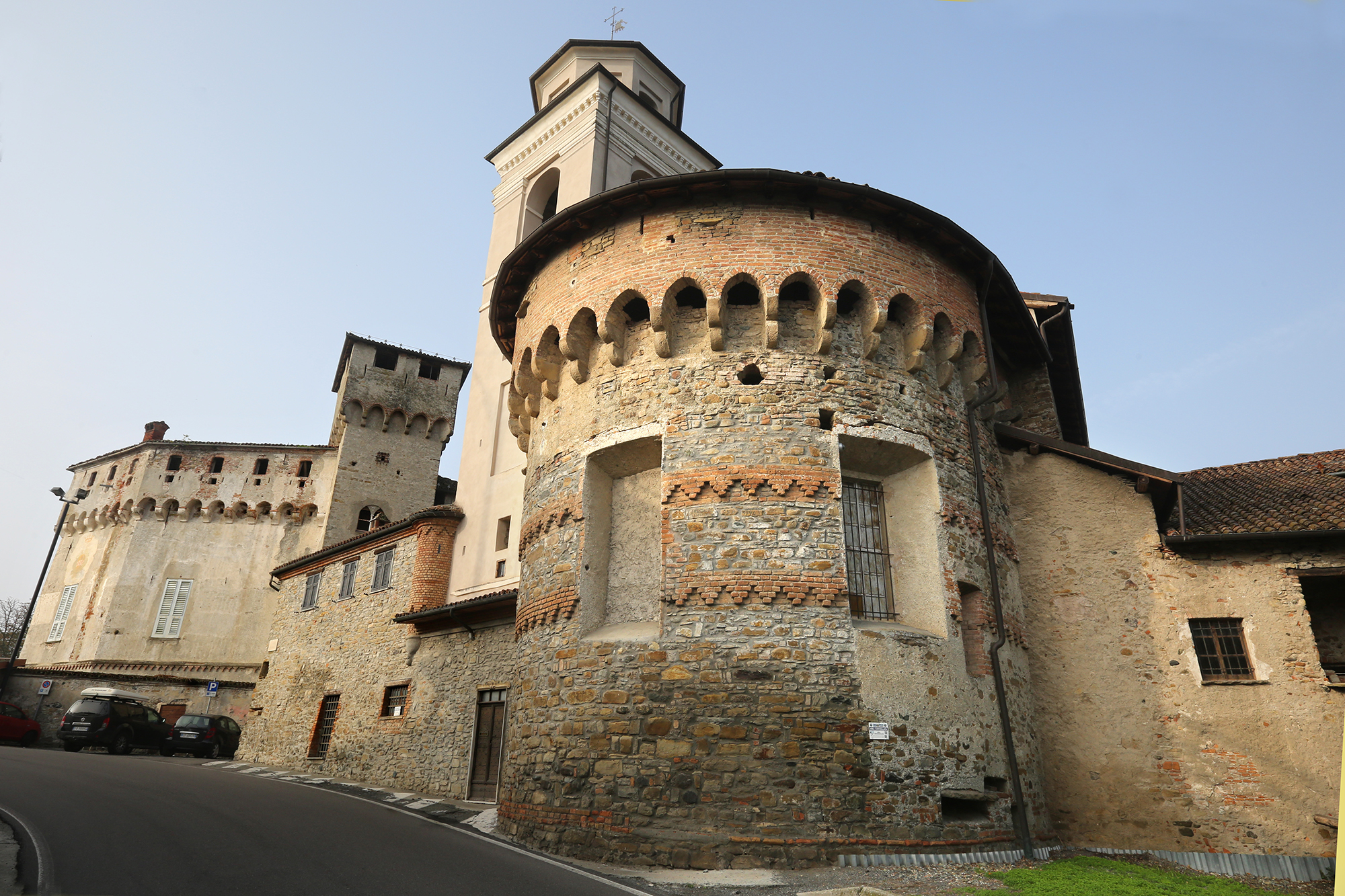
One of the towers of the original 12th-century castle was transformed in the 15th century into the apse of the parish church, dedicated to San Giovanni Battista. The church has a single nave with two side chapels forming a cross shape, and its interior is adorned with paintings, panels, and sculptures.
Outside the village stands the ancient Pieve, also dedicated to San Giovanni Battista, built around the year 1000 and incorporated into the cemetery. Until the 16th century, this was the main church of the village, featuring a beautiful timber-beamed ceiling and exquisite 15th-century paintings, particularly in the apse.
Not far from the village, along the road to Tagliolo, is the Sanctuary of the Rocchette—now better known as the Sanctuary of Our Lady of Grace—built in the 13th century and repeatedly modified. It served as a rest stop and place of refreshment for travelers along the Via del Sale, the salt route from Monferrato to Liguria.
Finally, isolated among the vineyards, is the Ferrari-Merlo Astronomical Observatory, located in the locality of Costalunga.