On a hill rising just above 260 meters, overlooking the plain of the Grana stream, lies the village of Conzano.
Its history has been marked by numerous, often violent events: destroyed and rebuilt several times, the settlement eventually found its lasting position on the hilltop. Evidence suggests it was inhabited since prehistoric times, certainly from the Roman era in the second century, and continuously ever since. Today, with fewer than a thousand inhabitants, Conzano is also known for the wave of emigration to Australia in the early 1900s. The phenomenon was so significant that nearly a century later the village established a twinning with the town of Ingham, Australia.
In honor of this bond, the main square was renamed Piazza Australia, and an exhibition space dedicated to the theme of emigration – so widespread throughout Monferrato – was created.
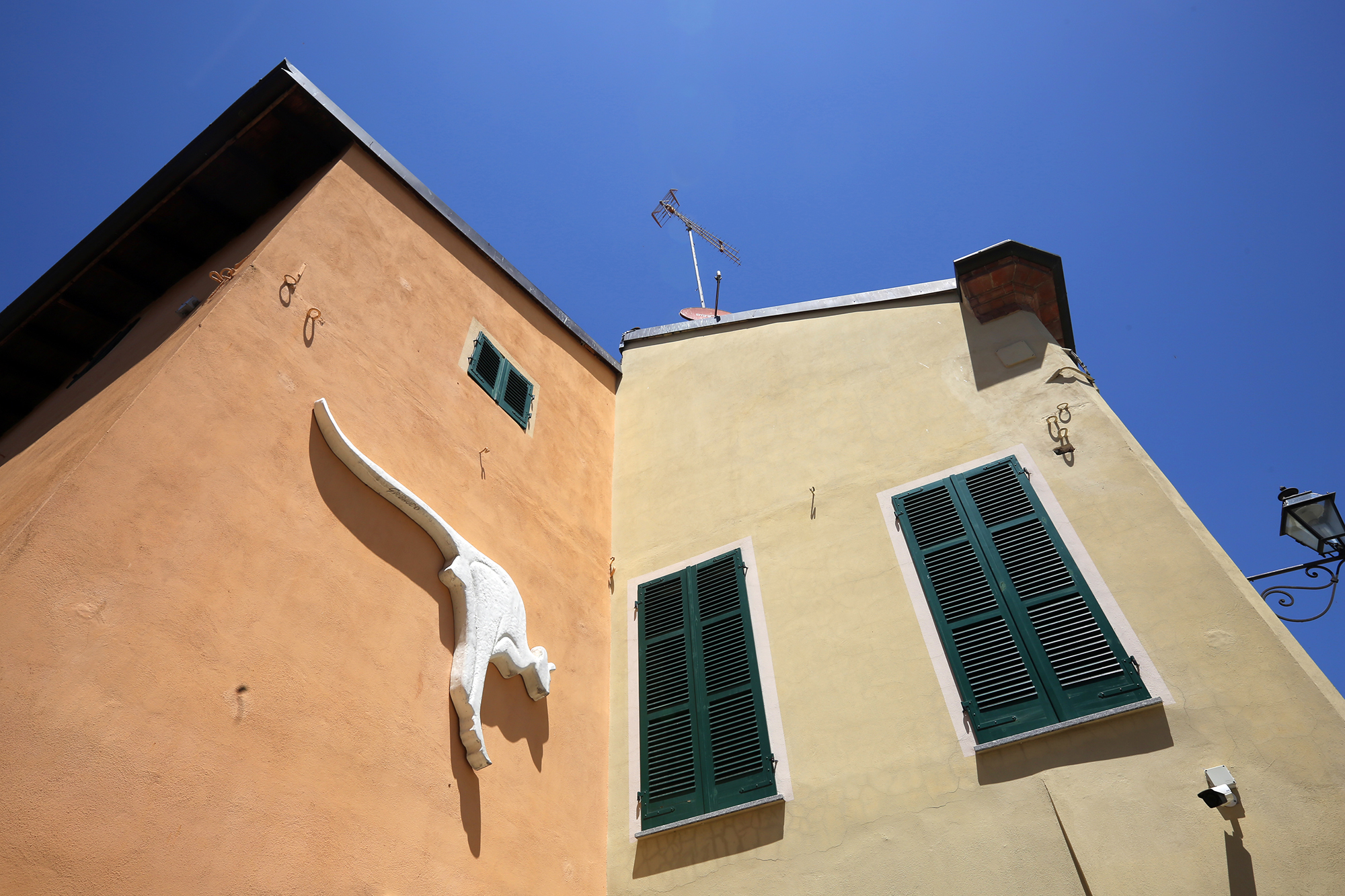
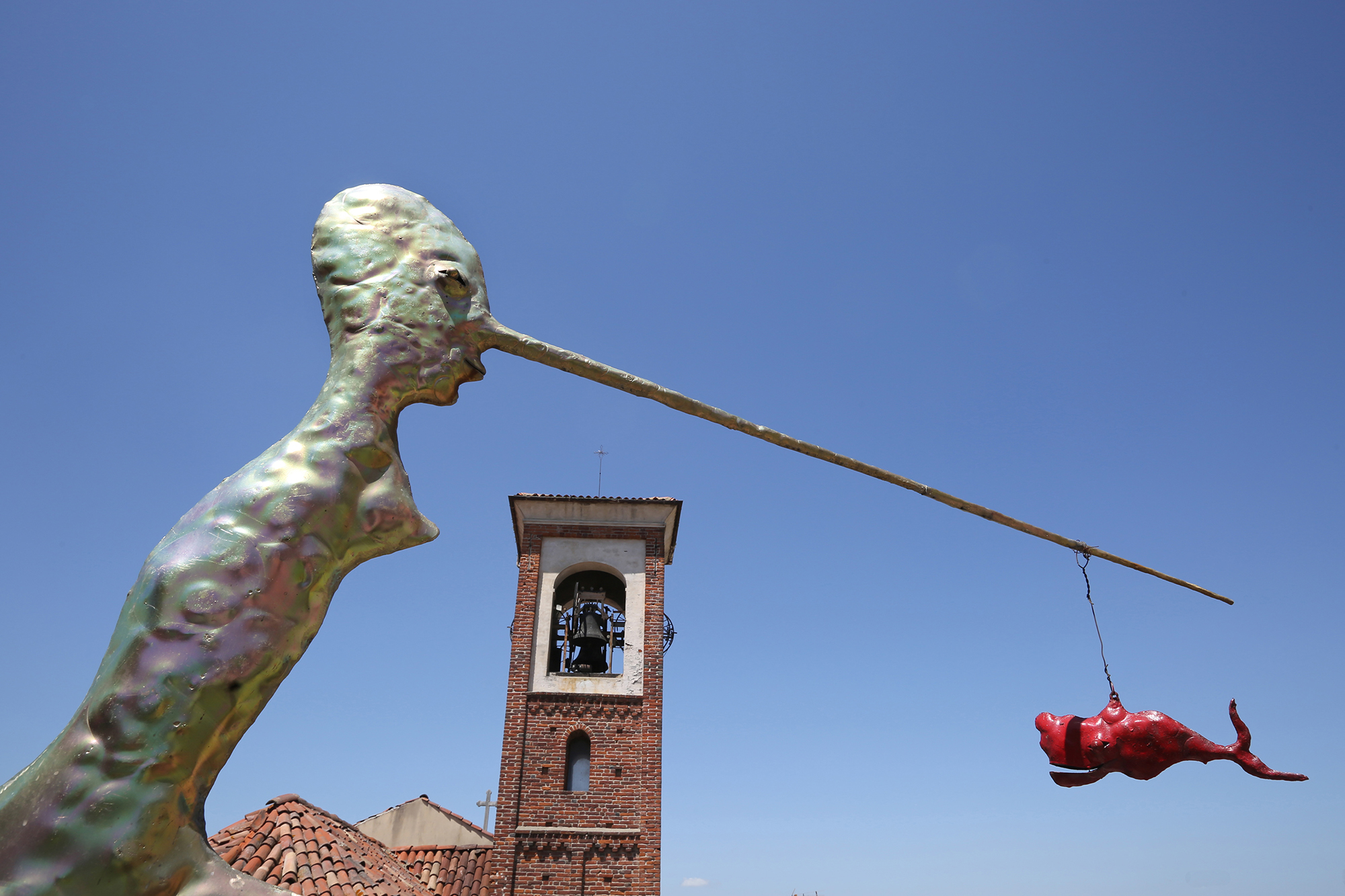
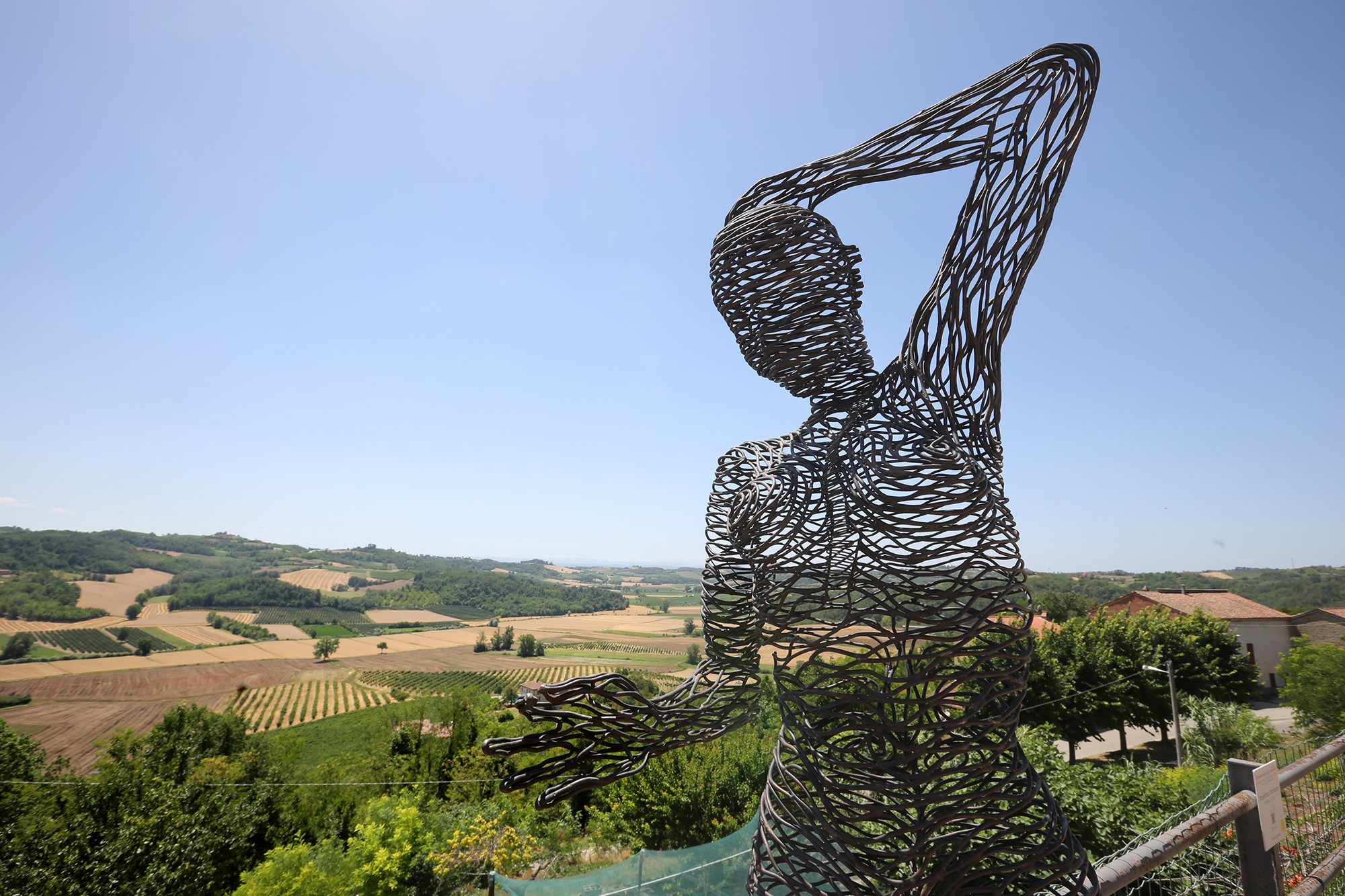
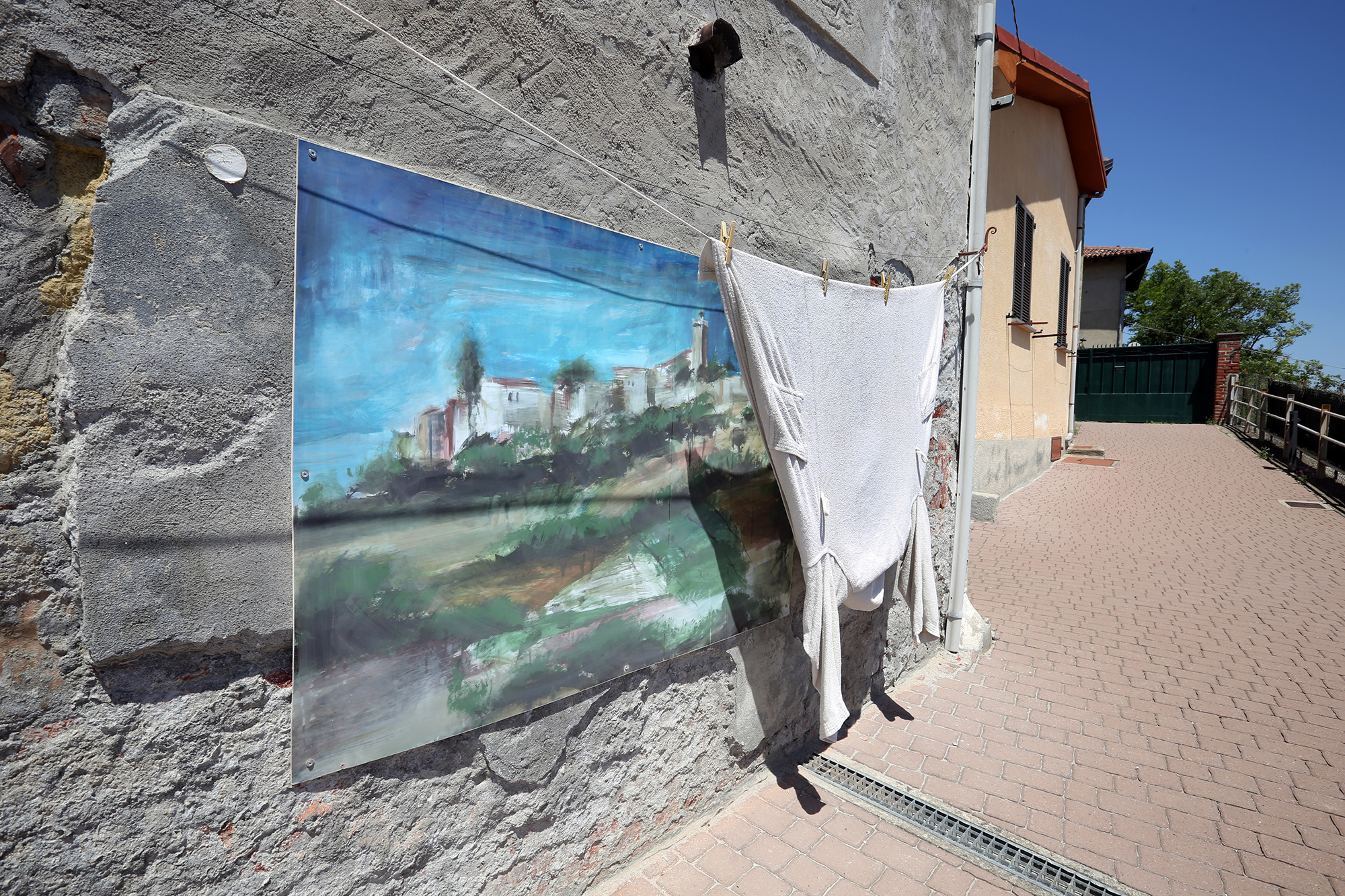
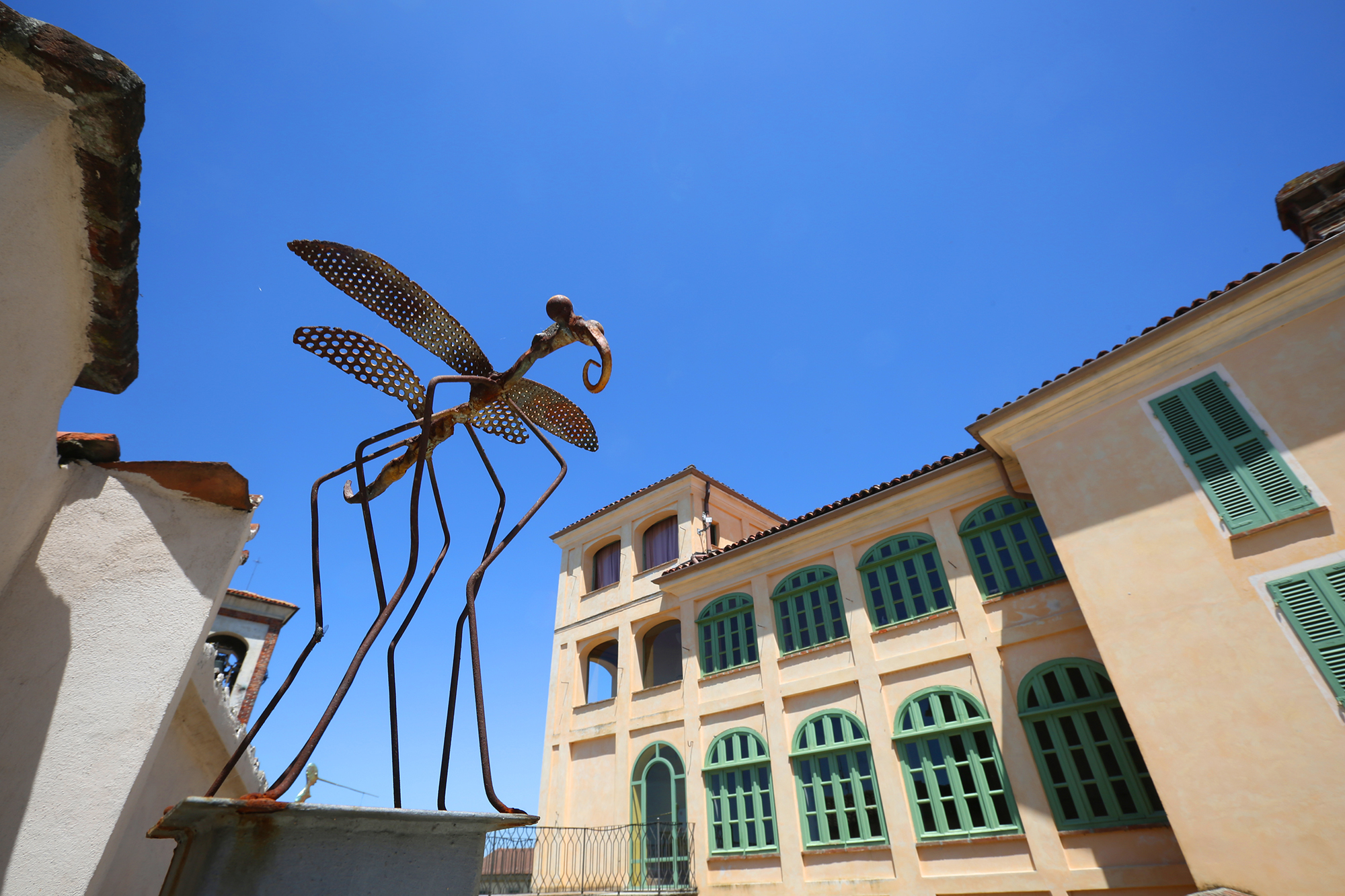
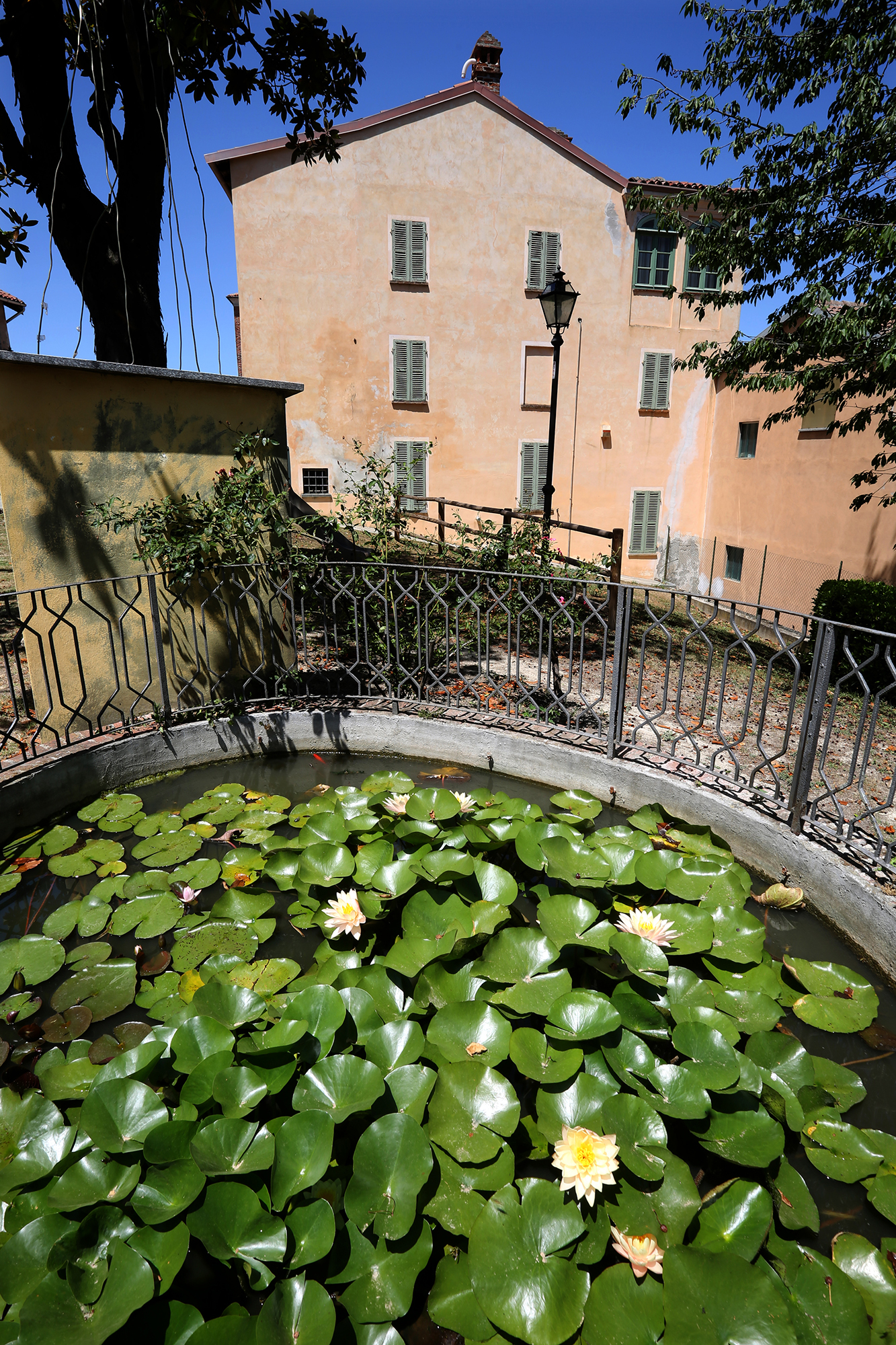
The village today is well cared for, with many restored houses and a long scenic walkway offering sweeping views of the surrounding countryside. Along the route, open-air artworks donated by various artists make the visit even more engaging.
The parish church, dedicated to Saint Lucy, was first built around the year 1000 and later modified and expanded until it assumed its present Baroque appearance, complete with frescoed interiors and ancient painted altarpieces.
Higher up stands the small church of San Biagio, dating back to the 15th century, built alongside an ancient watchtower with a clock dating from the 1100s, a distinctive landmark of the village.
No trace remains of the 15th-century castle, but on its ruins Count Carlo Vidua—explorer and tireless traveler—built his villa in 1822. Now owned by the municipality, the residence has been carefully restored and is open to the public. It preserves remarkable frescoes, an unusual room in the style of ancient China, as well as elegant loggias and a charming courtyard.